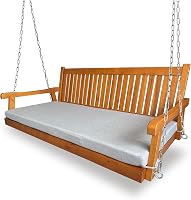
How to Measure for a Porch Swing: What It Means
On this page (7 sections)
Measuring for a porch swing means figuring out its width, depth, and height. You need the right dimensions so it fits your space perfectly. A swing that’s too big or too small just won’t feel right. If space is tight, see our guide to choosing a small porch swing. We’ll help you get it just right for your porch.
Getting your porch swing measurements correct is key to enjoying your new seating. It affects both comfort and safety. Many people overlook the importance of a proper fit. We found that clear measurements prevent common buying mistakes.
- Measure your porch space first.
- Check the swing’s chain or rope length.
- Consider seating depth and width needs.
- Think about the swing’s overall height.
Let’s walk through exactly how to measure for your perfect porch swing, step by step.
Getting the Right Porch Swing Dimensions: A Practical Guide
Figuring out the right size for your porch swing is more than just picking a number. It’s about ensuring comfort, safety, and a perfect look for your outdoor space. We found that many people get caught up in the style of the swing and forget the vital step of measuring. Let’s make sure you get a swing that feels just right.
This guide will walk you through exactly how to measure your porch space and consider the porch swing dimensions. We’ll cover everything from the swing’s width and depth to how high it should hang. Getting these measurements right means you’ll avoid common pitfalls and end up with a porch swing you’ll love for years.
Measuring Your Porch Space for Swing Placement
Before you even look at porch swings online or in a store, you need to know the space you have available. This is the foundation for selecting the right swing. Think of it like laying the groundwork before building a house; it needs to be solid.
Determining the Usable Width
The first measurement you need is the width of the area where the swing will hang. This is typically the distance between two support posts, railings, or walls. You want to measure from the inside edge of one structural element to the inside edge of the other.
Why the inside edge? Because that’s where your swing will actually sit. Measuring to the outside will give you a misleadingly larger space. We found that leaving a little wiggle room on each side is also wise. A swing that’s crammed in looks and feels awkward.
Assessing the Available Depth
Next, consider the depth of your porch. This is the distance from the front edge of your porch to the house or the back wall. When thinking about swing placement, you need enough room for the swing to hang freely without hitting anything when it moves.
You’ll need to measure from where the swing’s hanging point will be to the nearest obstruction. This could be a wall, a railing, or even a large planter. We recommend having at least 3-4 feet of clear space in front of the swing for comfortable movement.
Understanding Ceiling Height and Clearance
The height of your porch ceiling or roof is another key factor. This measurement affects how you’ll hang the swing and how much clearance you’ll have. Measure from the floor of your porch up to the lowest point of the roof or ceiling structure where the swing will be suspended.
This is especially important if you have a lower ceiling. You don’t want people to hit their heads when they stand up or walk by. We found that a minimum of 7 feet of vertical clearance is generally recommended for comfortable use.
Key Porch Swing Dimensions to Measure
Once you know your porch space, it’s time to think about the swing itself. Porch swings come in various sizes, and understanding these measurements will help you pick the perfect fit. After checking the fit, compare a wicker porch swing for a woven style. We found that focusing on three main dimensions makes the process much simpler: width, depth, and height.
Swing Width: Seating Capacity and Fit
The width of a porch swing refers to the actual seating area. This is the measurement from one armrest to the other, or from the outermost edge of the seat on one side to the other. Swings are often described by how many people they can seat (e.g., a 2-seater, 3-seater, or 4-seater).
A common 4-foot swing typically seats two people comfortably. A 5-foot swing can usually accommodate three people. When measuring your porch space, compare your usable width to these standard porch swing sizes. You want the swing to fit within your space, but not be so small that it looks lost.
We found that a good rule of thumb is to have about 6-12 inches of clearance on either side of the swing once it’s installed. This looks balanced and makes it easier to get on and off.
Swing Depth: Comfort and Legroom
The depth of a porch swing is the measurement from the front edge of the seat to the back edge. This dictates how much room you have to sit comfortably. A deeper seat often means more comfort, as you can lean back and relax.
Standard porch swing depths are usually between 18 and 24 inches. If you’re taller or prefer to really stretch out, you might look for a swing with a greater depth. Shorter swings might feel less supportive for your legs.
When considering depth, also think about how far the swing will extend from your porch’s edge. You don’t want it to jut out too far, creating a tripping hazard or making the porch feel crowded. We found that most swings need about 3 feet of clearance in front of them to swing without obstruction.
Swing Height: Hanging and Clearance
The height of a porch swing can refer to a couple of things. It can be the overall height of the swing unit itself, or more importantly, how high it hangs from the porch ceiling or beam.
The ideal hanging height ensures comfortable seating and safe passage. Many experts suggest that the seat of the swing should be about 17 to 20 inches from the porch floor when it’s at rest. This is similar to the height of a standard dining chair.
This measurement is largely determined by the length of the chains or ropes used to hang the swing. You’ll need to adjust these to achieve the correct seat height. We found that the overall clearance from the top of the swing to the ceiling is also important for aesthetics and preventing head bumps.
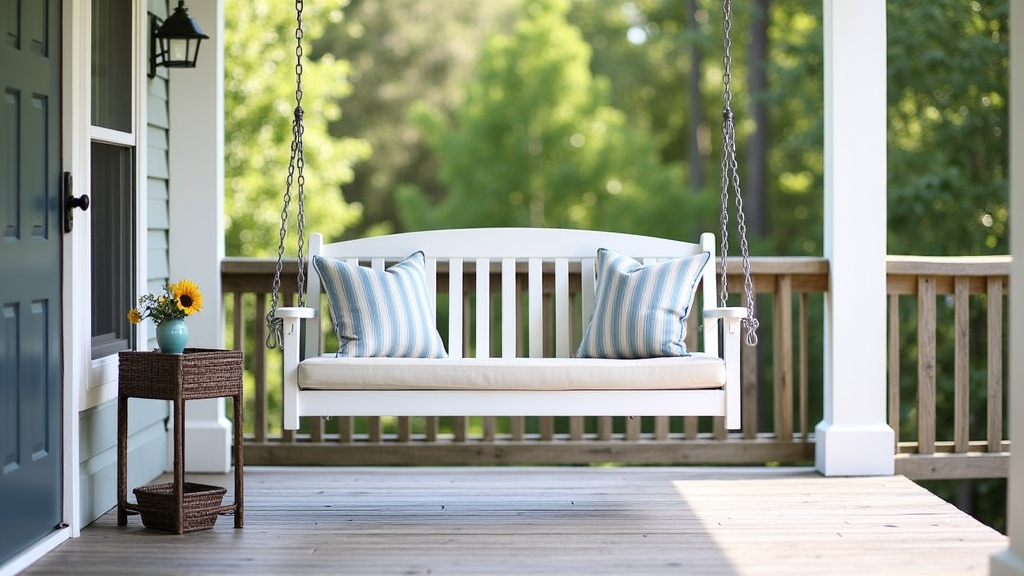
Understanding Chain and Rope Length
The chains or ropes that suspend your porch swing are critical. Their length directly impacts how high the swing sits and how much it moves. You can often adjust these to get the perfect height.
Measuring for Your Chains or Ropes
If you’re buying a swing that doesn’t come with pre-attached hanging hardware, you’ll need to figure out the right length. Measure the distance from your hanging point (like a sturdy beam or bracket) down to where you want the top of the swing’s frame to be.
Then, subtract the desired seat height (17-20 inches) and the height of the swing itself. This will give you an approximate length needed for your chains or ropes. It’s always better to have chains that are a little too long; you can shorten them. Cutting them too short means you’ll have to start over.
Adjusting for Proper Swing Motion
The length of the hanging hardware also affects the swing’s motion. Shorter chains tend to make the swing move more dramatically, while longer chains result in a gentler sway. Think about the kind of relaxing experience you want.
We found that many people prefer a moderate swing. Too much motion can be unsettling or make it difficult to enjoy a drink. Ensuring adequate clearance from walls and other objects is key here. A swing that bangs into things isn’t fun for anyone.
Checklist: Your Porch Swing Measurement Quick Guide
Here’s a quick rundown to make sure you’ve got all your bases covered before you buy:
- Measure the usable width between your porch supports.
- Measure the usable depth from the hanging point to the front edge.
- Note your porch’s ceiling height for clearance.
- Consider the desired seat width for your party size.
- Think about the preferred seat depth for maximum comfort.
- Determine the ideal seat height from the floor (17-20 inches).
Conclusion
You’ve learned that measuring for your porch swing is all about getting the right width, depth, and height. Getting these dimensions right ensures your swing fits your porch space perfectly, offering both comfort and safety. Don’t just pick a swing based on looks; make sure it’s the right size for your needs. Now you’re ready to choose a swing that you’ll love for years to come. Start by measuring your porch space today to find your ideal fit!
Frequently Asked Questions
How much space do I need between my porch swing and the wall behind it?
You’ll need enough space for the swing to hang freely and sway. We recommend at least 3-4 feet of clear space in front of the swing’s hanging point. This prevents it from hitting the wall or railing when in motion.
What is the standard seat height for a porch swing?
The ideal seat height for comfort and safety is generally between 17 to 20 inches from the porch floor. This is similar to the height of a standard dining chair, making it easy to sit down and stand up.
Can I adjust the height of my porch swing if it hangs too high or too low?
Yes, you can adjust the height by changing the length of the chains or ropes used for hanging. Most hanging hardware allows for some degree of adjustment to achieve your preferred seat height.
What if my porch has a low ceiling? How does that affect porch swing measurements?
A low ceiling means you need to be extra careful about vertical clearance. Ensure there’s enough room for people to stand up and walk by without hitting their heads. We found that a minimum of 7 feet of vertical clearance is often recommended.
Does the width of the porch swing need to be smaller than my porch space?
Yes, the swing’s width should be less than your porch’s usable width. We found that leaving about 6 to 12 inches of clearance on each side of the swing looks balanced and makes getting on and off easier.