What Is a Wicker Porch Swing? The Basics
On this page (7 sections)
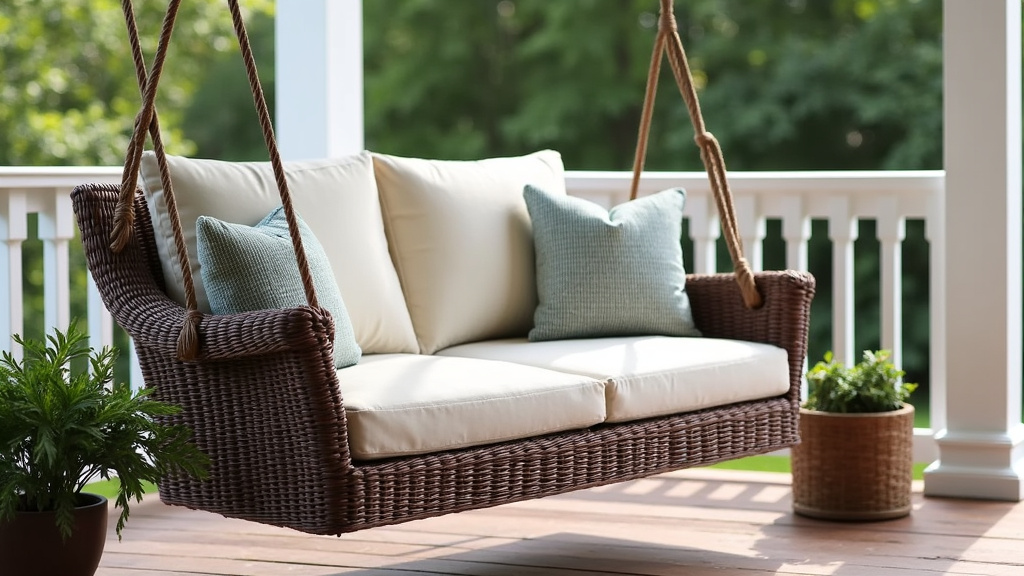
A wicker porch swing is a comfortable outdoor seat, typically made from natural or synthetic woven materials. If you are comparing swing materials, consider a poly lumber porch swing as another option. It hangs from a porch ceiling or a stand, allowing you to gently rock back and forth. Think of it as a relaxing chair for your outdoor space. Many people find them to be a great addition for enjoying fresh air.
These swings bring a touch of rustic charm to any home. They can be made from materials like rattan, bamboo, or polyethylene. Wicker is known for its durability and timeless appeal. You might see them used for quiet mornings or evening chats. They are a popular choice for adding character to your porch.
- A wicker porch swing is a rocking outdoor seat.
- It’s made from woven natural or synthetic materials.
- They offer a relaxing way to enjoy your porch.
- Wicker adds durability and charm to outdoor furniture.
Let’s look at what makes these swings so popular and what you should know before buying one.
Understanding Your Wicker Porch Swing: The Essentials
A wicker porch swing is more than just a place to sit. It’s an invitation to slow down and enjoy your outdoor space. You’re essentially bringing a cozy, rocking chair experience outside. These swings are designed to offer comfort and style. They create a perfect spot for reading, chatting, or simply watching the world go by. Many people find the gentle motion incredibly relaxing.
When you picture a wicker porch swing, you might imagine lazy summer afternoons. The woven material gives it a natural, inviting look. It can instantly add a touch of charm to your porch or patio. It’s a classic choice for outdoor seating. Let’s break down what goes into making these swings and what makes them so appealing.
What Exactly is Wicker?
The term “wicker” doesn’t refer to a specific material. Instead, it describes a weaving technique. This technique uses pliable materials to create furniture and decorative items. Think of it like braiding or weaving a basket, but on a larger scale for furniture. The materials used can be natural or synthetic. This flexibility in materials is part of wicker’s broad appeal.
Natural Wicker Materials
Historically, wicker furniture was made from natural plant materials. These materials are harvested, dried, and then woven into shape. Each material has its own unique look and properties.
Rattan
Rattan is one of the most popular materials for wicker furniture. It comes from a type of palm vine that grows in tropical regions. Rattan is known for its strength and durability. It’s also quite flexible, which makes it easy to shape into curves and intricate designs common in wicker furniture. Rattan swings often have a classic, slightly rustic appearance.
Bamboo
Bamboo is another natural material used for wicker. It’s a fast-growing grass that is very strong and lightweight. Because bamboo is hollow, it’s often used for the frame of furniture. Our guide to bamboo outdoor furniture explains what to expect outside. The woven parts might use thinner bamboo strips or other materials. Bamboo swings can offer a lighter, more bohemian feel.
Willow and Reed
Willow and reeds are also traditional materials for wicker. Willow branches are flexible and can be bent into various shapes. Reeds are typically used for weaving seat surfaces and backrests. These materials can give a very organic and handcrafted look to your swing.
Synthetic Wicker Materials
In modern times, you’ll find many wicker porch swings made from synthetic materials. These are often designed to mimic the look of natural wicker but offer enhanced durability and weather resistance. This is a big advantage for outdoor furniture.
Polyethylene (PE) Resin Wicker
This is probably the most common type of synthetic wicker you’ll see. It’s made from plastics like polyethylene, which are extruded into strands. These strands are then woven around an aluminum or steel frame. PE resin wicker is highly resistant to UV rays, moisture, and temperature changes. This means it’s less likely to crack, fade, or peel compared to natural materials exposed to the elements.
All-Weather Wicker
This is often a general term used for synthetic wicker designed for outdoor use. It typically refers to PE resin wicker or similar plastic-based materials. The key benefit is that it can withstand sun, rain, and varying temperatures without significant damage. This makes it a practical choice for a porch swing that will be outdoors year-round.
The Appeal of a Wicker Porch Swing
Why do so many people choose a wicker porch swing for their home? It comes down to a combination of factors that enhance your outdoor living experience. They offer comfort, style, and a sense of relaxation that’s hard to beat.
Comfort and Relaxation
The primary draw of any porch swing is its comfort. A wicker swing adds to this with its inviting woven texture. The gentle rocking motion is inherently soothing. Studies have shown that gentle rocking can help reduce stress and improve sleep. Imagine sinking into your swing after a long day. It’s a simple pleasure that makes your porch feel like an extension of your home.
Aesthetic Charm
Wicker has a timeless appeal. It brings a touch of natural beauty and artisanal craftsmanship to your outdoor space. Whether you choose natural rattan or a modern synthetic, the woven pattern adds visual interest. It can complement various home styles, from rustic farmhouses to more contemporary designs. A wicker swing can become a focal point, enhancing your home’s curb appeal.
Durability and Low Maintenance
When made from quality materials, especially synthetic ones, wicker swings are built to last. They are designed to withstand outdoor conditions. Natural wicker can last for many years with proper care. Synthetic wicker, like PE resin, requires even less maintenance. You can often simply wipe it down with a damp cloth. This means less time spent on upkeep and more time enjoying your swing.
Types of Wicker Porch Swings
When you start shopping, you’ll notice different designs and styles of wicker porch swings. Understanding these can help you choose the best fit for your needs and space.
Hanging Styles
The most traditional porch swing hangs directly from the porch ceiling. This requires secure mounting points. The swing then moves freely from these points. This style can create a wonderful sense of suspension and gentle swaying.
A-Frame Stands
If you can’t or don’t want to hang a swing from your porch, an A-frame stand is a great solution. This is a freestanding structure that supports the swing. It’s a good option if you have a patio or a deck without a suitable overhang. These stands are sturdy and allow you to place your swing anywhere you like.
Bench Style vs. Chair Style
Wicker porch swings come in various sizes. Some are designed like a bench, offering ample seating for two or even three people. Others are more like a single oversized chair, perfect for one person to curl up in. Consider how you plan to use the swing and how many people you typically want to accommodate.
Key Considerations Before Buying
Before you bring a wicker porch swing home, there are a few things to think about. These will help ensure you make a choice you’ll be happy with for years to come.
Material Quality
As we discussed, there are natural and synthetic materials. For outdoor use, synthetic or “all-weather” wicker is often recommended for its resistance to the elements. If you opt for natural wicker, research the specific type and be prepared for more maintenance. Look for tightly woven patterns and a sturdy frame (often aluminum or powder-coated steel for synthetic). Poorly constructed wicker can unravel over time.
Frame Construction
The frame is the backbone of your swing. For synthetic wicker, an aluminum frame is ideal because it won’t rust. If it’s steel, ensure it has a good powder coating to prevent rust. A strong frame is essential for safety and longevity.
Comfort and Cushions
While wicker itself can be comfortable, cushions significantly enhance the experience. Check if the swing comes with cushions. If so, look for weather-resistant fabrics. If not, plan to purchase some. Ensure the cushions are thick enough for support. Removable and washable covers are a big plus for easy cleaning.
Size and Weight Capacity
Measure the space where you intend to place the swing. Make sure it will fit comfortably without obstructing walkways. Also, check the weight capacity of the swing and its hanging mechanism or stand. This is crucial for safety. Always err on the side of caution and choose a swing that can comfortably support your needs.
Assembly and Installation
Some swings come fully assembled, while others require assembly. Read reviews or product descriptions to understand what’s involved. If you’re hanging a swing, ensure you have the proper tools and knowledge to secure it safely to your porch structure. If you’re unsure, consider hiring a professional for installation.
Here’s a quick checklist to help you on your way:
- Confirm the material is suitable for outdoor use (synthetic is often best).
- Check that the frame is rust-resistant (e.g., aluminum).
- Assess the comfort and consider necessary cushions.
- Verify the dimensions fit your space and weight capacity is sufficient.
- Understand the assembly and installation requirements.
- Read reviews for insights into durability and user satisfaction.
Conclusion
You’ve learned that a wicker porch swing is a stylish and comfortable outdoor seat made through a weaving technique. Whether crafted from natural rattan or durable synthetic materials like PE resin, these swings offer a relaxing way to enjoy your porch. They blend aesthetic charm with practical benefits like longevity and ease of care. By considering material quality, frame construction, and size, you can find the perfect swing to enhance your outdoor living space. Now, it’s time to measure your porch and start envisioning your new favorite spot for relaxation.
Frequently Asked Questions
Is wicker porch swing furniture suitable for all weather conditions?
Synthetic wicker, often called all-weather wicker, is designed to withstand the elements. Natural wicker may require more protection from direct sun and heavy rain. Check the product description to confirm if your chosen swing is rated for all-weather use.
How do I clean my wicker porch swing?
For synthetic wicker, a gentle wipe down with a damp cloth and mild soap is usually sufficient. For natural wicker, you might need to use a soft brush to remove dirt from crevices. Always check the manufacturer’s cleaning recommendations for your specific swing.
What is the difference between natural and synthetic wicker?
Natural wicker uses plant materials like rattan or bamboo, offering an organic look but requiring more care. Synthetic wicker, typically made from polyethylene resin, mimics the look of natural wicker but is more durable and weather-resistant. It’s a great choice for low-maintenance outdoor furniture.
Can I leave my wicker porch swing outside year-round?
Synthetic or all-weather wicker swings are generally designed for year-round outdoor use. However, extending their life can be achieved by covering them during harsh winter months. Natural wicker swings are best stored indoors or well-covered when not in use.
What kind of frame is best for a wicker porch swing?
For synthetic wicker swings, look for a frame made of aluminum. Aluminum is lightweight and will not rust, making it ideal for outdoor furniture. If the frame is steel, ensure it has a robust powder coating to prevent rust and corrosion.


