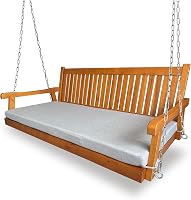
What Size Is a Standard Porch Swing? A Clear Answer
On this page (6 sections)
A standard porch swing is typically around 4 to 5 feet wide. This measurement usually refers to the seating area. It’s designed to comfortably seat two to three people. You’ll find this size is most common for general use.
When you’re shopping, remember that dimensions can vary slightly between manufacturers. Some swings might be a bit longer or shorter. Always check the specific product details. This ensures it fits your space and seating needs perfectly.
- Standard porch swings are usually 4-5 feet wide.
- This size comfortably fits 2-3 people. If you’re interested in a different motion, learn how to convert a porch swing to a glider.
- Measurements can differ slightly by brand.
- Always check product specs before buying.
Let’s walk through the typical dimensions and what to look for so you can find the perfect porch swing for your home.
Understanding Standard Porch Swing Dimensions
So, you’re looking for the perfect porch swing. It’s exciting to imagine relaxing on your porch with a cool drink. But before you get too carried away, let’s talk about size. The good news is there’s a generally accepted standard size for porch swings. This makes shopping a bit easier. We’ve found that most standard porch swings are designed to fit comfortably in typical porch spaces and seat a couple of people without feeling cramped.
The Typical Width of a Porch Swing
When we talk about porch swing dimensions, the width is usually the first thing people consider. This refers to the overall width of the seating area. For most standard swings, this measurement falls between 48 inches and 60 inches. That’s 4 to 5 feet in plain English. Think of it as the space you have to stretch out a bit. This range is designed to offer a good balance between coziness and personal space for relaxation.
Seating Capacity: Who Can Fit?
With a width of 4 to 5 feet, most standard porch swings are made to comfortably seat two to three people. This is ideal for couples enjoying a quiet evening or a small family gathering. If you envision hosting more friends on your swing, you might need to look for larger, “oversized” models. But for everyday use and typical enjoyment, the standard size really hits the sweet spot. We’ve seen many happy families enjoying this size.
Beyond Width: Depth and Height Considerations
While width is the headline number, depth and height also play roles in comfort and fit. The depth of the seat, from the front edge to the back where you’d lean, is typically around 18 to 22 inches. This allows you to sit comfortably without your knees being pushed too high. The backrest height can vary, but generally, it’s around 18 to 25 inches. This provides good support for your back.
These dimensions are important because they contribute to the overall ergonomics of the swing. A swing that’s too shallow won’t feel secure. One with a backrest that’s too low might not feel supportive enough. We found that checking these secondary measurements can really improve your seating experience.
Factors Influencing Porch Swing Size
While we’ve covered the typical range, it’s important to know that not all swings are created equal. Several factors can influence the exact dimensions you’ll find on the market. Understanding these can help you make a more informed choice.
Manufacturer Variations
Different brands have their own design philosophies. Some manufacturers might aim for a slightly more compact swing, perhaps closer to the 4-foot mark. Others might offer a more generous 5-foot swing as their standard. We found that it’s common to see minor differences in length, depth, or even the overall footprint. This is why reading the product specifications is so important. Don’t assume all “standard” swings are identical.
Style and Design Choices
The style of the porch swing can also affect its dimensions. A more traditional, ornate swing might have slightly different proportions than a modern, minimalist one. Some swings come with wider armrests, which add to the overall width but don’t necessarily increase seating space. Others have a more streamlined design. These aesthetic choices can subtly shift the measurements.
For example, a swing designed with a very high, ornate backrest might appear larger overall, even if the seating area itself is standard. Conversely, a sleeker design might have a smaller visual footprint. We noticed that swings with built-in canopies or extended armrests often have larger overall dimensions, so always measure the actual seating area when possible.
Materials and Construction
The materials used can sometimes influence size. A solid wood swing might have thicker components than a metal or resin swing. This can add a few inches to the overall dimensions. Also, how the swing is constructed can impact its shape. Some swings are quite boxy, while others have a more curved, ergonomic design. These construction details can slightly alter the seat depth or backrest angle.
How to Measure Your Space and Choose Wisely
Now that you know what to expect size-wise, let’s talk about ensuring the swing fits your porch perfectly. It’s not just about the swing itself; it’s about how it integrates with your outdoor living area.
Measuring Your Porch Area
Before you even look at swings, grab a tape measure. You need to know the available space on your porch. Measure the width where you plan to hang the swing. Also, consider the depth of your porch. You need enough room for the swing to hang freely and for people to walk behind it comfortably. We recommend a minimum of 3 feet of clearance behind the swing.
Don’t forget to think about the hanging point. If you’re using a free-standing porch swing frame, you’ll need enough space for the entire frame. If you’re hanging it from a beam, ensure there’s adequate support and enough room for the swing’s chains or ropes without them hitting anything. This simple step can save you a lot of hassle later.
Considering Comfort and Usage
Think about how you’ll actually use the swing. Will it be for solo morning coffee moments? Romantic evening chats? Or lively family get-togethers? If it’s mostly for one or two people, a standard 4-foot swing might be perfect. If you often have guests or want more room to stretch out with a book, lean towards the 5-foot end of the spectrum. We found that people are happiest when they match the swing size to their most frequent use cases.
Also, consider the height. The swing should hang at a comfortable height. You should be able to sit down and get up easily. Generally, the seat of the swing should be about 17-19 inches off the ground when it’s at rest. This is similar to the height of a standard dining chair. If you have a very low porch ceiling, you might need a swing with shorter chains or a design that sits higher.
Reading Product Descriptions Carefully
This is perhaps the most critical step. Always, always read the product description. Manufacturers will list the overall dimensions, seating dimensions, and weight capacity. Look for a diagram if available. Pay attention to whether the listed width is the total width or just the seating area. We learned that manufacturers are usually quite clear if you take the time to read.
Here’s a quick checklist to run through when reviewing a product:
- Does the overall width fit my porch space?
- Is the seating width comfortable for my needs (2-3 people)?
- What is the seat depth for proper comfort?
- Is the backrest height supportive?
- Does the weight capacity meet my family’s needs?
- Are there any special design elements that might affect fit (e.g., wide armrests)?
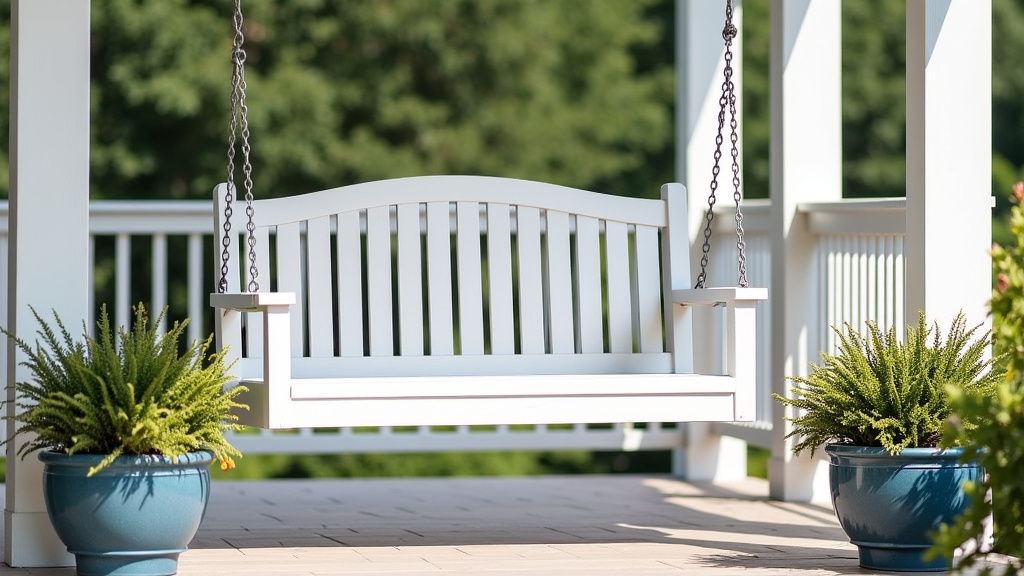
Common Porch Swing Sizes at a Glance
To give you a clearer picture, here’s a quick comparison of typical dimensions. Remember, these are general guidelines, and actual measurements can vary.
| Dimension | Typical Range (Standard Swing) | Typical Use |
|---|---|---|
| Overall Width | 48 – 60 inches (4 – 5 feet) | Most common for 2-3 people |
| Seat Depth | 18 – 22 inches | Comfortable sitting position |
| Backrest Height | 18 – 25 inches | Provides back support |
| Seat Height (off ground) | 17 – 19 inches (when at rest) | Easy sitting and standing |
This table should help you visualize the typical makeup of a standard porch swing. We find that having this kind of visual reference makes the numbers much easier to digest and compare.
Conclusion
Finding the right porch swing size is about balancing comfort and your available space. Remember, a standard porch swing typically measures 4 to 5 feet wide, comfortably seating two to three people. While these are common dimensions, we’ve seen that slight variations exist between manufacturers and styles. Always double-check the product specifications for exact measurements, including seat depth and backrest height. Before you buy, measure your porch and consider your typical usage. Taking these steps ensures your new swing will be a perfect fit for countless relaxing moments on your porch.
Frequently Asked Questions
What if a “standard” swing is too big for my small porch?
If your porch is on the smaller side, look for swings described as “compact” or “apartment-sized.” These are often less than 4 feet wide. You can also check the overall dimensions listed by the manufacturer, not just the seating width, to ensure it fits your space well.
How do I know if a porch swing will fit three adults comfortably?
For three adults to sit comfortably, aim for a swing closer to the 5-foot (60-inch) mark. Also, check the seat depth (ideally 20-22 inches) and ensure the armrests aren’t too wide, which can eat into seating space. Reviews from other buyers can also give you a good idea of real-world comfort for multiple people.
Is there a standard height for porch swings?
While there isn’t a strict standard height for the entire swing, the seat itself is typically designed to hang 17-19 inches off the ground when at rest. This is similar to a dining chair height for easy sitting and standing. You can adjust the chain or rope length to achieve your preferred hanging height.
What is the difference between overall width and seating width?
The overall width usually includes elements like armrests or decorative side panels. The seating width is the actual measurement of the space where you sit. When choosing a swing, we found that focusing on the seating width helps you gauge true comfort for the number of people you want to accommodate.
Can I hang a porch swing if I don’t have a sturdy overhead beam?
Yes, you can! If you don’t have a suitable beam, you can use a freestanding porch swing frame. These frames do not require ceiling support and are designed to be stable on their own. Just ensure you have enough floor space for the base of the frame.