Difference Between Cedar and Teak: Facts to Know
On this page (3 sections)
When choosing between cedar and teak for your outdoor furniture or construction projects, the main difference lies in their durability and cost. For a cedar option made for the porch, see this cedar porch swing guide. Teak is generally more resistant to rot and insects due to its high oil content and dense grain, making it a premium choice, while cedar offers good durability at a more budget-friendly price and a pleasant aroma.
Both woods are popular for outdoor use because they naturally resist decay. Cedar is known for its beautiful reddish-brown color and aromatic scent, often used for decking and siding. Teak, on the other hand, is celebrated for its exceptional strength and ability to withstand harsh weather, frequently chosen for high-end teak outdoor furniture and boat decks where longevity is key.
- Teak is more durable and resistant to rot.
- Cedar is more affordable and smells great.
- Teak’s natural oils make it ideal for wet environments.
- Cedar is lighter and easier to work with.
- Both are good choices for outdoor projects.
Let’s walk through the key facts you need to know to decide which wood is the right fit for your needs.
You’re looking to build something beautiful and long-lasting outdoors, or perhaps you’re just dreaming of that perfect patio furniture. Two wood types often come up: cedar and teak. They both have a reputation for handling the elements, but they go about it in very different ways. You can also compare another option in our guide to oak porch swings. Let’s break down what makes each unique so you can make the best choice for your project and your budget.
Comparing Cedar vs. Teak: Key Differences for Your Project
The main takeaway is that teak is often seen as the king of outdoor woods due to its extreme durability. Cedar is a strong contender, too, offering great looks and performance at a more accessible price point.
Understanding Teak: The Gold Standard for Durability
Teak wood is famous for its incredible ability to stand up to the harshest weather. It comes from tropical trees, and its natural makeup is the secret to its success. Think of it as nature’s built-in protective gear.
What Makes Teak So Tough?
Teak trees produce a lot of natural oils. These oils keep the wood from drying out, cracking, or becoming a feast for insects. The grain in teak is also very dense. This tight structure means water has a harder time getting in. This combination makes teak highly resistant to rot and decay. It’s why teak has been a go-to for boat building for ages.
Research shows teak’s density and oil content contribute to its long lifespan, even in constantly wet conditions (Forest Products Laboratory).
The Look and Feel of Teak
When new, teak has a beautiful golden-brown color. Over time, if left untreated, it weathers to a lovely silvery-gray patina. Many people love this aged look. Teak is also quite heavy and feels very solid. It’s a wood that commands respect.
Where is Teak Best Used?
Because of its premium price and amazing durability, teak is often chosen for situations where longevity is the absolute top priority. This includes high-end outdoor furniture, especially for dining sets and loungers that will see constant use. It’s also common for boat decks, boardwalks, and outdoor cabinetry.
Exploring Cedar: Aromatic, Beautiful, and Budget-Friendly
Cedar is another fantastic choice for outdoor projects. It’s well-loved for its distinct, pleasant aroma and its natural resistance to decay. While it might not be quite as robust as teak in extreme conditions, it offers excellent performance for most outdoor needs.
Why Cedar is a Great Outdoor Wood
Like teak, cedar also has natural oils and a natural resistance to insects and rot. However, its oils are different and less abundant than teak’s. Cedarwood is generally lighter and has a more open grain structure. This makes it easier to work with for DIY projects. The aromatic scent comes from natural oils called thujaplicins, which also help repel pests.
Studies have shown that the compounds in cedar help protect it from decay and insect attack, making it a good choice for outdoor applications (U.S. Forest Products Laboratory).
The Appearance of Cedar
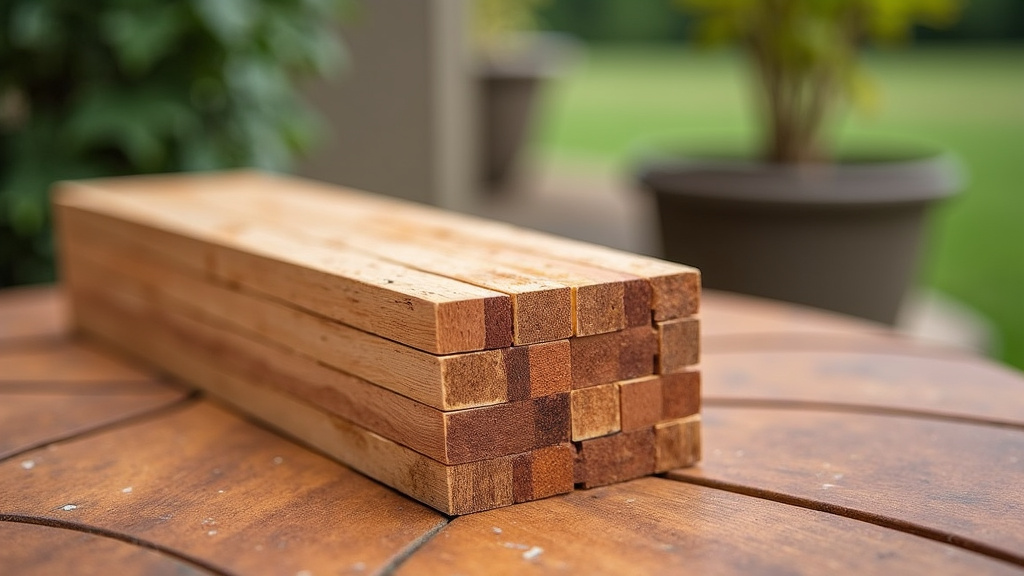
Cedar typically has a rich reddish-brown color that can deepen with age. It often features beautiful, natural knots that add character. It has a distinct, pleasant smell that many people find very appealing, especially when it’s new or freshly cut. Cedar is much lighter in weight than teak, making it easier to handle and install.
Where Cedar Shines
Cedar is a popular choice for a wide range of outdoor projects. For a comparison with pine, see our guide to pine and cedar wood. You’ll often see it used for decking, fencing, siding, and outdoor furniture. Its aromatic qualities make it a favorite for closets and chests, too, though that’s not an outdoor use.
Direct Comparison: Teak vs. Cedar Side-by-Side
Let’s put these two woods head-to-head on some key factors you’ll want to consider for your project.
| Feature | Teak | Cedar |
|---|---|---|
| Durability & Rot Resistance | Exceptional, due to high oil content and dense grain. Outperforms in wet environments. | Very good, naturally resistant to decay and insects, but less so than teak in extreme wetness. |
| Cost | High. It’s a premium wood. | Moderate. More budget-friendly than teak. |
| Appearance | Golden to dark brown, weathers to silver-gray. Dense, smooth feel. | Reddish-brown, often with knots. Lighter feel, distinct aroma. |
| Maintenance | Low maintenance if left to weather. Needs occasional cleaning. Oiling optional for color preservation. | Low maintenance. Can be stained, sealed, or left to weather to a gray. |
| Weight | Very heavy. | Light. |
| Workability | Can be challenging due to hardness and density. Requires sharp tools. | Easy to cut, nail, and screw. Popular for DIY. |
| Lifespan | 50+ years, often much longer with proper care. | 20-30 years, depending on conditions and maintenance. |
Weighing the Costs: What’s Your Budget?
This is often the biggest deciding factor. Teak is a luxury wood. You’re paying for its unparalleled durability and its exotic origin. Expect to spend significantly more for teak furniture or materials.
Cedar, on the other hand, offers excellent value. You get natural weather resistance and beautiful looks at a price that’s much more accessible for many homeowners. You can often get more cedar for the same budget as a smaller teak project.
Maintenance Needs: How Much Work Do You Want to Do?
Both woods are relatively low-maintenance. If you don’t mind a weathered look, you can often just let them be. Teak will turn a beautiful silver-gray over time. Cedar will do the same, though it might weather a bit faster.
If you want to keep the original color of either wood, you’ll need to use special cleaners and UV-protective finishes or oils. Teak oil is popular for maintaining teak’s golden hue. Cedar can be stained or sealed. Cedar’s lighter weight makes it easier to apply finishes compared to heavy teak.
Environmental Considerations: Sustainable Sourcing
When choosing any wood, especially for larger projects, it’s good to think about where it comes from. Teak trees can take a long time to mature, and sourcing can be an issue. Look for teak that is certified by organizations like the Forest Stewardship Council (FSC). This ensures it was harvested responsibly.
Cedar is generally more readily available and often sourced from sustainably managed forests in North America. Many cedar products are also easier to find with sustainability certifications.
Making Your Final Choice: A Quick Checklist
To help you decide, ask yourself these questions:
- What is your budget for this project?
- How long do you expect the item to last?
- How much maintenance are you willing to do?
- What kind of look are you going for (golden-gray patina vs. reddish-brown)?
- Will the item be in a very wet or humid environment?
Answering these will point you toward the wood that best fits your needs and preferences.
Conclusion
Deciding between cedar and teak comes down to your priorities: budget, desired lifespan, and maintenance willingness. Teak offers unmatched durability and rot resistance, making it a long-term investment for demanding environments, though at a higher cost. Cedar provides excellent natural protection and a beautiful aesthetic at a more accessible price point, ideal for many standard outdoor projects. Consider your specific needs and how much you want to invest in both the initial purchase and ongoing care. By weighing these factors, you can confidently select the wood that will best serve your outdoor space for years to come.
Frequently Asked Questions
Can I use teak furniture in direct sunlight and rain?
Yes, teak is exceptionally well-suited for outdoor use, including direct sunlight and rain. Its high natural oil content makes it highly resistant to rot, decay, and insect damage, even in consistently wet conditions. You can leave teak furniture outdoors year-round.
Does cedar furniture need to be sealed to last?
While cedar is naturally resistant to rot and insects, sealing it can help preserve its color and extend its lifespan further. If you prefer a natural weathered look, you can leave it untreated, and it will eventually turn a silvery-gray. Sealing cedar is more about aesthetic preference and added protection than absolute necessity for durability.
Is teak significantly more expensive than cedar?
Yes, teak is typically significantly more expensive than cedar. You are paying a premium for teak’s superior durability, natural oils, and its origin, which often involves more challenging harvesting and transport. Cedar offers a more budget-friendly option with good natural resistance.
How does the smell of cedar compare to teak?
Cedar has a distinct, pleasant, aromatic scent that is often described as fresh and slightly woody. This aroma is due to natural oils within the wood and is one of its appealing characteristics. Teak, on the other hand, has a much milder, almost leathery scent when new and loses most of its aroma as it ages or weathers.
Which wood is better for DIY projects, cedar or teak?
Cedar is generally much easier for DIY projects than teak. It is lighter in weight, making it easier to handle and maneuver. Cedar also cuts, nails, and screws more easily because it is less dense and hard than teak, which requires sharper tools and more effort to work with.


