How to Maintain Teak Outdoor Furniture: A Few Key Facts
On this page (7 sections)
Maintaining teak outdoor furniture is simpler than you might think. The easiest way to keep your teak looking great involves regular cleaning and occasional oiling. You can protect your furniture from the elements with a few basic steps. This will help you enjoy your furniture for years to come.
Teak wood naturally has a beautiful silvery-gray patina when left outdoors. This is a sign of its natural aging process. If you prefer to keep its original warm, honey tone, applying a teak sealer or oil is key. Proper care prevents premature wear and keeps your pieces looking their best.
- Clean your teak furniture regularly with mild soap and water.
- Consider a teak sealer to preserve the original color.
- Oiling teak furniture helps protect it from drying out.
- Store cushions indoors to prevent mildew.
- Address stains or damage promptly for best results.
Let’s walk through exactly how to keep your teak furniture in top condition, step by step. We’ve gathered some straightforward tips that make a big difference.
Keeping Your Teak Furniture Looking Great
You’ve invested in beautiful teak outdoor furniture, and you want it to last. If you are choosing a seat, learn what to expect from a teak porch swing. Teak wood is known for its durability and natural beauty. But how do you keep it looking its best year after year? It really comes down to a few simple practices. Let’s break down how to care for your teak so you can relax and enjoy it.
The goal is to protect the wood from the elements. This includes sun, rain, and even temperature changes. Proper care helps prevent the wood from drying out, cracking, or becoming discolored. We’ll cover cleaning, protection, and some common issues you might encounter.
Understanding Teak Wood’s Natural Qualities
Teak is a hardwood. It comes from the Tectona grandis tree, native to South Asia and Southeast Asia. What makes teak special for outdoor furniture? It’s naturally rich in oils. These oils help make the wood resistant to water, rot, and insects. For another natural material, see our guide to bamboo outdoor furniture. This is why teak is a top choice for boats and outdoor living.
When teak is exposed to sunlight and air, a natural process occurs. The wood develops a silvery-gray patina. Many people love this look. It’s a sign that your teak is aging gracefully. If you prefer to keep the original warm, honey color, that’s also achievable with a little effort.
The Patina: A Sign of Natural Aging
That silvery-gray color isn’t damage. It’s the teak’s natural response to its environment. The oils in the wood migrate to the surface and oxidize. This creates a protective layer. Think of it like a natural shield. It doesn’t affect the structural integrity of the wood. It’s purely an aesthetic change.
If you decide to embrace the patina, your maintenance routine can be simpler. You won’t need to worry about preserving the original color. The gray finish is very low maintenance. It still looks elegant and natural.
Keeping the Original Golden Hue
Do you love the rich, honey-gold color of new teak? You can preserve this look. It requires a bit more attention. The key is to block UV rays and moisture from changing the wood’s color. This is where teak sealers and oils come into play.
Think of it like sunscreen for your furniture. You need to reapply protection regularly. This helps the wood maintain its vibrant tone. We’ll discuss the best ways to do this later.
Essential Cleaning Steps for Your Teak Furniture
Regular cleaning is the most important step in teak maintenance. It removes dirt, grime, and potential mold or mildew before they become a problem. You don’t need fancy cleaners. Simple, readily available items will do the job.
Schedule this cleaning at least once or twice a year. More often if your furniture is in a very damp or dusty environment. A good scrub will keep it looking fresh and prevent buildup.
Gathering Your Cleaning Supplies
Before you start, make sure you have everything you need. This makes the process smoother. You’ll want:
- A bucket
- Warm water
- Mild dish soap (like Dawn or similar)
- Soft-bristle brushes or sponges
- Clean, soft cloths or towels
- A hose or access to water
Avoid using harsh chemicals or abrasive cleaners. Things like bleach or ammonia can damage the wood fibers. They can strip away the natural oils. This can lead to a duller finish and make the wood more susceptible to damage.
The Cleaning Process: A Step-by-Step Guide
First, clear off any cushions or decor from the furniture. Then, wet the teak thoroughly with your hose. This helps loosen surface dirt.
Next, mix a small amount of mild dish soap with warm water in your bucket. Dip your soft brush or sponge into the soapy water. Gently scrub the teak surface. Work in the direction of the wood grain. This helps lift dirt without scratching.
Rinse the furniture thoroughly with clean water. Make sure all soap residue is gone. Soap left on the wood can attract dirt. Finally, dry the furniture with clean, soft cloths. Allow it to air dry completely before using it again or applying any treatments.
Tackling Stubborn Stains and Mildew
Sometimes, you’ll encounter tougher spots. Mildew is a common issue, especially in humid climates. For mild mildew, a slightly stronger solution can help. Mix one cup of white vinegar with one gallon of water.
Apply this solution to the stained area. Let it sit for a few minutes. Then, gently scrub with your soft brush. Rinse thoroughly and dry. If the stain persists, you might need a specialized teak cleaner. Always follow the product instructions carefully.
For very stubborn stains or deep-set grime, a specialized teak cleaner is often recommended. These are formulated to lift dirt without harming the wood. Many experts suggest using these sparingly. They are usually more potent than soap and water.
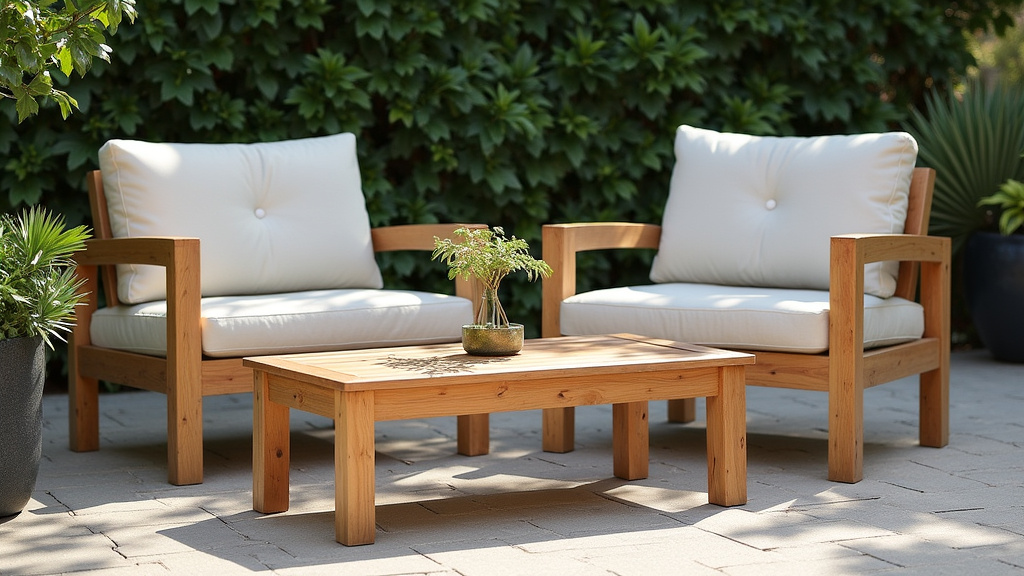
Protecting Your Teak: Oiling and Sealing Options
Once your teak is clean and dry, you have a choice to make. Do you want to maintain its golden color, or are you happy with the silver-gray patina? Your choice will guide your protection strategy.
Protecting your teak furniture is about more than just looks. It’s about extending its lifespan. The natural oils in teak help it resist the elements, but over time, these oils can diminish. Oiling and sealing help replenish and protect them.
When and How to Apply Teak Oil
If you want to keep that warm, honey tone, applying teak oil is a popular choice. Teak oil replenishes the wood’s natural oils. It also adds a layer of protection against drying and cracking. It gives the wood a lovely subtle sheen.
You should oil your teak furniture at least once or twice a year. The best time is after a thorough cleaning, once the wood is completely dry. Check the manufacturer’s recommendations for your specific furniture. Some might suggest more frequent oiling.
To apply, use a clean, lint-free cloth. Apply a thin, even coat of teak oil. Work it into the wood, following the grain. Let it soak in for about 15-20 minutes. Then, wipe away any excess oil with a clean cloth. Too much oil can lead to a sticky surface. You don’t want your furniture to feel greasy.
Choosing the Right Teak Sealer
A teak sealer is another option for preserving the original color. Sealers often contain UV inhibitors. These are designed to block the sun’s damaging rays. This helps prevent the wood from fading and turning gray as quickly.
Sealers can provide longer-lasting protection than oil alone. However, they might also create a more of a film on the surface. Some sealers can be slippery if not applied correctly. Research different brands and read reviews to find one that suits your needs.
Application is similar to oiling. Ensure the teak is clean and dry. Apply a thin, even coat with a cloth or brush. Let it penetrate the wood. Follow the product’s instructions for drying and reapplication times. You might need to reapply a sealer annually, depending on the product and your climate.
Oil vs. Sealer: What’s the Difference?
It’s helpful to understand how these two treatments work. Teak oil penetrates the wood. It replenishes lost oils and conditions the wood from within. It gives a natural, richer look and feel. However, oil needs frequent reapplication to maintain color and protection.
A teak sealer sits more on the surface. It forms a protective barrier. Sealers often offer better UV protection. They can last longer between applications than oil. Some sealers can also offer a bit of water resistance. The finished look can sometimes be slightly more ‘finished’ or less natural than oil.
Here’s a quick comparison:
| Feature | Teak Oil | Teak Sealer |
|---|---|---|
| Primary Function | Replenish oils, condition | Protect from UV, moisture |
| Appearance | Natural, rich, subtle sheen | Can vary, sometimes a protective film |
| Reapplication Frequency | Every few months to a year | Annually, depending on product |
| Ease of Use | Generally easy to apply | Application varies by product |
Many manufacturers offer combined oil-sealer products. These aim to provide both conditioning and protection. Reading product descriptions carefully will help you choose.
General Care and Preventative Measures
Beyond cleaning and treating, a few other habits can keep your teak looking fantastic.
Think about what’s happening around your furniture. Are there planters with constantly damp soil? Is your grill too close? Small adjustments can make a difference.
Dealing with Metal Hardware
Teak furniture often has metal fasteners, like screws or bolts. For more on corrosion around outdoor seating, read whether metal porch furniture rusts. Over time, these can leave rust marks on the wood. This is especially common if the metal isn’t high-quality stainless steel.
To prevent this, consider covering metal parts during heavy rain. Or, dry the furniture immediately after it gets wet. If you do get rust stains, you can often remove them with a specialized teak cleaner or a paste made from lemon juice and baking soda. Gently rub the stain, rinse, and dry.
Protecting Cushions and Accessories
While the teak itself is weather-resistant, your cushions are not. Store outdoor cushions indoors when not in use, especially during rainy seasons or overnight. This prevents them from becoming damp and developing mold or mildew.
Waterproof cushion covers are also a good investment. They add an extra layer of protection. Keep tablecloths and placemats clean. Spills can attract pests and stain the wood.
Consider Indoor Storage or Covers
If you live in an area with harsh winters or extreme weather, consider storing your teak furniture indoors during off-seasons. A garage, shed, or even a basement can work well. This gives the wood a break from the elements.
If indoor storage isn’t an option, high-quality outdoor furniture covers are a good alternative. Make sure the covers are breathable. This prevents moisture buildup underneath. Ensure the covers fit well so they don’t flap around in the wind.
Here’s a quick checklist for maintaining your teak:
- Clean your furniture with mild soap and water at least twice a year.
- Rinse thoroughly and dry completely after cleaning.
- Apply teak oil or sealer annually if you want to preserve its original color.
- Wipe up spills immediately to prevent stains.
- Store cushions indoors to prevent mildew.
- Consider covering or storing furniture during harsh weather.
Conclusion
You’ve learned that keeping your teak furniture beautiful is straightforward. Regular cleaning with mild soap and water is your first defense. You can choose to embrace the natural silver patina or preserve the golden hue with teak oil or a sealer. Remember to protect your cushions and consider covers or indoor storage for harsh weather.
By following these simple steps, you’ll significantly extend the life of your teak pieces. Your furniture will remain a lovely centerpiece for your outdoor living space for years to come. Start by scheduling your first deep clean this season!
Frequently Asked Questions
How often should I clean my teak furniture?
You should aim to clean your teak furniture at least once or twice a year. If your furniture is in a humid or dusty area, you might need to clean it more often. A good scrub removes dirt and prevents mildew.
Can I use a pressure washer on my teak furniture?
It’s best to avoid pressure washers. The high-pressure water can damage the wood fibers and strip away the natural oils. Gentle scrubbing with a soft brush is a safer and more effective method.
What’s the difference between teak oil and teak sealer?
Teak oil penetrates the wood to replenish natural oils and condition it, giving a rich look. Teak sealers sit more on the surface, forming a protective barrier, often with UV inhibitors to prevent fading.
Will leaving my teak furniture outside without treatment damage it?
Teak is naturally durable, so leaving it untreated won’t cause immediate structural damage. However, it will develop a silver-gray patina over time due to sun and weather exposure. If you prefer the original golden color, treatments are necessary.
Are there any household items I can use to remove rust stains from teak?
Yes, you can try a paste made from lemon juice and baking soda for rust stains. Apply the paste gently, let it sit for a short while, then rinse and dry the area thoroughly.


