Why Is Teak Used for Outdoor Furniture? A Simple Answer
On this page (8 sections)
Teak wood is used for outdoor furniture because it’s naturally resistant to water, insects, and rot. This means your patio set can withstand the elements for years without falling apart. For another outdoor wood option, see cedar for outdoor use. It also doesn’t warp or splinter easily, making it a durable and beautiful choice for your backyard.
Many homeowners choose teak for its golden-brown color and attractive grain. It ages gracefully, developing a silvery patina over time if left untreated. This wood offers a fantastic blend of natural beauty and practicality for any outdoor space. You can feel good about its ability to last.
- Teak resists water, bugs, and decay naturally.
- It stands up to weather without warping or splintering.
- Teak wood looks great and ages beautifully.
- It’s a smart, long-lasting choice for outdoor items.
Let’s dive into why teak is such a popular pick for your patio and garden furniture. We’ll break down exactly what makes it special.
What Makes Teak So Good for Your Patio Furniture?
You might be wondering why teak wood pops up so often when you’re shopping for outdoor furniture. It seems to be the go-to material for people who want something that lasts and looks good. The simple answer lies in teak’s amazing natural properties. It’s like nature designed this wood specifically for life outdoors.
Teak’s Natural Defenses: A Shield Against the Elements
Think of teak as having its own built-in bodyguard. This wood is packed with natural oils and a tight grain structure. These features make it incredibly resistant to things that can ruin other types of wood.
Fighting Off Water Damage
One of the biggest enemies of outdoor furniture is water. Rain, dew, and humidity can cause wood to swell, rot, and even grow mold. Teak, however, contains a high percentage of natural oils and rubber. These act as a sealant, making the wood water-repellent. You don’t have to worry as much about moisture penetrating the wood and causing damage over time. We found that this natural water resistance is a key reason for its outdoor popularity.
Keeping Pests at Bay
Termites, ants, and other wood-boring insects can make short work of unprotected furniture. Teak’s natural oils are also a deterrent to these pesky critters. The wood contains a substance called tectoquinone. This compound is toxic to insects, making teak an unappealing meal for them. This natural defense means you’re less likely to find your furniture riddled with holes or weakened by insect activity.
Resisting Rot and Decay
Combine constant exposure to moisture and potential insect damage, and you have a recipe for rot. Teak’s dense, oily nature makes it highly resistant to decay. It doesn’t easily break down like softer woods. Many experts agree that this makes it a long-lasting choice for items exposed to the weather (Forest Products Laboratory). This means your investment stays strong and beautiful for years.
Durability That Withstands Time and Use
Beyond its natural defenses, teak is also incredibly strong and stable. This means it holds up well to everyday use and changing weather conditions.
Stability Through Temperature Swings
Outdoor furniture goes through a lot. It experiences hot summers, cold winters, and everything in between. Many woods can warp, crack, or split as they expand and contract with temperature changes. Teak is known for its excellent stability. Its tight grain and natural oils help it resist these movements. This means your teak table or chairs are less likely to warp or crack than furniture made from other woods.
Hardness and Strength
Teak is a hardwood, meaning it’s naturally dense and strong. This makes it resistant to dents and scratches. You can feel confident placing items on your teak table or having people sit on your chairs without worrying about damage. This inherent strength contributes to its reputation as a robust material.
The Aesthetic Appeal of Teak
Teak isn’t just practical; it’s also beautiful. Its appearance adds a touch of elegance to any outdoor space.
Color and Grain
Freshly cut teak typically has a rich, golden-brown color. It features a straight, uniform grain pattern that is visually appealing. This natural beauty is one of the main reasons people are drawn to it. It brings a warm, sophisticated look to your patio or garden. The natural attractiveness of teak is undeniable.
Aging Gracefully: The Silvery Patina
One of the most charming aspects of teak is how it ages. If you choose to leave your teak furniture untreated, it will gradually develop a silvery-gray patina over time. This isn’t a sign of damage; it’s a natural transformation. Many people find this weathered look to be even more beautiful and sophisticated than the original golden hue. It gives your furniture a distinguished, classic appearance. This graceful aging process adds character.
Low Maintenance for Easy Living
While teak is durable, it also offers a low-maintenance lifestyle. Because of its natural resistance to water, pests, and rot, you don’t need to constantly seal or treat it to protect it. You can clean it with mild soap and water. This ease of care is a major plus for busy homeowners. You can spend more time enjoying your outdoor space and less time maintaining your furniture. For cleaning and upkeep steps, see our guide to maintaining teak furniture.
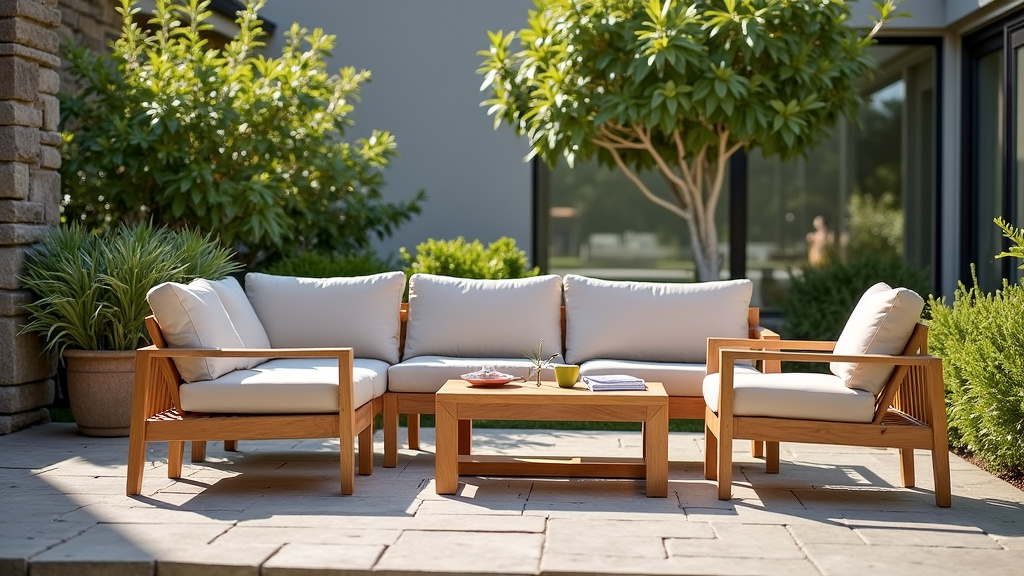
A Comparison: Teak vs. Other Outdoor Woods
To truly appreciate teak, it helps to see how it stacks up against other common outdoor furniture materials. We found that understanding these differences can help you make the best choice for your needs. For another low-upkeep option, see whether poly lumber suits outdoor furniture. Bamboo outdoor furniture is another material option to compare for your patio.
| Feature | Teak | Pine/Fir | Cedar/Redwood |
|---|---|---|---|
| Water Resistance | Excellent (natural oils) | Poor (needs sealing) | Good (natural oils) |
| Pest Resistance | Excellent (natural oils, tectoquinone) | Poor (susceptible) | Good (natural oils) |
| Rot Resistance | Excellent | Poor (prone to decay) | Good |
| Durability/Strength | Very High | Low | Medium |
| Maintenance | Low | High (frequent sealing) | Medium (occasional sealing) |
| Cost | High | Low | Medium |
| Appearance | Golden brown, ages to silver | Varies, often painted | Reddish-brown, ages to gray |
Making the Smart Choice for Your Outdoor Space
When you consider all these factors, it becomes clear why teak is a top choice for outdoor furniture. It’s an investment in quality and longevity.
Long-Term Value
While teak furniture can have a higher upfront cost, its incredible durability and low maintenance mean it often offers better long-term value. It can last for decades with minimal upkeep, outperforming many other materials. You won’t need to replace it as often.
Environmental Considerations
When purchasing teak, it’s wise to look for furniture made from sustainably sourced wood. Many reputable manufacturers ensure their teak comes from responsibly managed forests. This means you can enjoy beautiful furniture while knowing it’s not contributing to deforestation. We found that many consumers prioritize this.
Your Checklist for Teak Furniture
Thinking about adding teak to your backyard? Here’s a quick rundown of what to remember:
- Natural oils make it water-resistant.
- It repels insects and resists rot.
- Teak wood is strong and stable.
- It ages into a beautiful silvery patina.
- Requires very little maintenance.
- A smart investment for lasting beauty.
Conclusion
You’ve learned that teak wood is a top choice for outdoor furniture thanks to its natural defenses against water, insects, and rot. Its dense structure ensures it stands up to weather without warping or splitting, offering exceptional durability. Plus, its beautiful golden color that ages into a lovely silver patina adds timeless aesthetic appeal. Choosing teak means you’re investing in furniture that looks great, lasts for decades, and requires minimal upkeep. Ready to enjoy your outdoor space with furniture built to last? Consider adding teak to your patio.
Frequently Asked Questions
Does teak furniture need sealing or oiling?
Teak’s natural oils make it highly resistant to water and decay, so it doesn’t strictly need sealing or oiling to protect it. Many people prefer to let it age naturally to a silvery patina. If you want to maintain its original golden-brown color, you can apply a teak sealer or oil annually, but this is for appearance, not preservation.
How do I clean teak outdoor furniture?
Cleaning teak furniture is straightforward. You can typically use a soft cloth with mild soap and water to wipe down surfaces and remove dirt or grime. For tougher spots, a soft brush can help. Always rinse thoroughly with clean water and allow the furniture to air dry completely before use.
Will my teak furniture turn gray?
Yes, it’s very common for teak furniture to develop a silvery-gray patina over time, especially if left outdoors untreated. This is a natural weathering process caused by sun exposure and is not a sign of damage. Many people find this aged look very attractive and a mark of well-loved, classic furniture.
Is teak furniture worth the higher cost?
Teak furniture typically has a higher upfront cost compared to other woods. However, its exceptional durability, resistance to elements, and low maintenance mean it can last for decades. This often makes it a more cost-effective choice in the long run, as you won’t need to replace it as frequently as other materials.
How can I tell if teak furniture is sustainably sourced?
To ensure your teak is sustainably sourced, look for furniture from reputable manufacturers that provide certifications, such as those from the Forest Stewardship Council (FSC). These certifications indicate that the wood comes from responsibly managed forests, helping to protect ecosystems and support fair labor practices.


