Is Cedar a Hardwood or Softwood? What It Means
On this page (3 sections)
Cedar is a softwood. This means it comes from an evergreen tree that produces cones. Unlike hardwoods, cedars grow much faster. This makes them a more affordable choice for many projects.
Understanding if a wood is hardwood or softwood matters for your projects. It affects how the wood performs. It also impacts its durability and cost. Cedar’s classification as a softwood gives it some unique benefits and drawbacks.
- Cedar is a softwood.
- It comes from evergreen, cone-producing trees.
- Softwoods like cedar grow faster and are often cheaper.
- This affects their strength and how they are used.
Let’s break down exactly what makes cedar a softwood and what that means for your home projects.
What Makes Cedar a Softwood, and Why It Matters
Cedar wood is classified as a softwood. This might surprise you, as “soft” wood can sound weak. But this classification tells us a lot about where cedar comes from. It also explains how it grows and behaves in your projects. Knowing this helps you choose the right wood for your needs.
The difference between hardwood and softwood isn’t just about density. It’s about the type of tree the wood comes from. This difference affects everything from growth rate to how the wood feels. For cedar, being a softwood means it has specific advantages you’ll want to know about.
Understanding the Hardwood vs. Softwood Distinction
When we talk about hardwoods and softwoods, we’re talking about the tree’s botanical classification. It’s not just about how hard the wood feels to your touch. Hardwoods come from deciduous trees. These trees lose their leaves each year. Think of oaks, maples, and walnuts. They usually grow more slowly than softwoods.
Softwoods, on the other hand, come from coniferous trees. These are typically evergreen trees. They have needles and produce cones. Pines, firs, and spruces are common examples. Cedar trees also fall into this evergreen, cone-bearing category.
Growth Rates: A Key Difference
One of the biggest practical differences is growth rate. Softwood trees, including cedar, tend to grow much faster. This is often because they can photosynthesize year-round as evergreens. Faster growth means more trees can be harvested more quickly.
This speed of growth directly impacts cost. Because cedar is more readily available, it’s generally more affordable than many hardwoods. This makes it a popular choice for large projects where budget is a consideration. You get a good amount of wood for your money.
Cedar’s Properties: What Softwood Means for You
So, cedar is a softwood. What does this mean for its actual properties? Softwoods are often less dense than hardwoods. This can translate to being softer and easier to dent or scratch. However, this isn’t the whole story with cedar.
Cedar wood is known for its natural resistance to decay and insects. For a wider comparison, see our rot-resistant wood guide. This is a major benefit, even though it’s a softwood. This resistance comes from natural oils and extractives within the wood. These compounds act as a defense against rot and pests like termites.
Durability and Resistance
While cedar might dent more easily than a dense hardwood like oak, its natural defenses make it incredibly durable in certain environments. Many experts point to cedar’s aromatic oils as key to its pest and rot resistance (USDA Forest Products Laboratory).
This makes cedar an excellent choice for outdoor applications. Think decks, fences, and outdoor furniture. It can withstand moisture and insects better than many other woods. Even though it’s a softwood, its natural properties give it staying power.
Workability
Because it’s a softwood, cedar is generally easier to cut, shape, and fasten. This is a big plus for DIYers and professionals alike. You won’t need specialized tools to work with it. It sands smoothly and takes finishes well.
Its lighter weight also makes it easier to handle. Moving cedar boards or panels is less of a strain. This can speed up installation times. The ease of working with cedar contributes to its popularity for various building and crafting projects.
Common Cedar Applications: Where Softwood Shines
Given its properties, cedar is used in many different ways. Its natural beauty, aroma, and resistance make it a favorite for specific jobs. Understanding these uses can help you decide if cedar is right for your next project.
Outdoor Projects: A Natural Fit
Cedar’s resistance to moisture, rot, and insects makes it ideal for outdoor use. It’s a go-to material for:
- Decks and Patios: It can stand up to weather and won’t easily rot.
- Fences: Cedar fences look great and last for years.
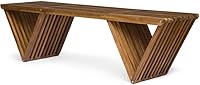
- Outdoor Furniture: Perfect for benches, tables, and chairs that stay outside.
- Siding and Trim: Adds a beautiful, natural look to homes.
The natural oils in cedar also help protect it from UV damage, though some fading is expected over time. Many homeowners choose to let cedar age to a silvery-gray color. Others apply stains or sealants to maintain its original tone.
Indoor Uses: More Than Just Outdoors
While excellent outdoors, cedar is also popular for indoor applications. Its pleasant aroma is a major draw. Cedar chests and closet linings are classic examples. The scent is known to repel moths and other fabric pests.
You’ll also find cedar used for:
- Paneling and Accents: Adds warmth and a natural element to interior walls.
- Crafts and Hobbies: Its workability makes it great for small projects.
- Sawdust and Shavings: Used for pet bedding and gardening mulch.
When used indoors, the moisture resistance can also be a benefit. It’s less likely to warp or warp in humid areas like bathrooms or kitchens.
Comparing Cedar to Other Woods
It’s helpful to see how cedar stacks up against other common woods. This comparison clarifies its strengths and weaknesses.
| Wood Type | Classification | Typical Density | Natural Resistance (Insects/Rot) | Workability | Common Uses | Cost Factor |
|---|---|---|---|---|---|---|
| Cedar | Softwood | Medium-Low | High | Easy | Outdoor projects, closets, paneling | Moderate |
| Pine | Softwood | Low | Low (unless treated) | Very Easy | Framing, furniture, crafts | Low to Moderate |
| Oak | Hardwood | High | Moderate | Moderate | Flooring, furniture, cabinetry | High |
| Maple | Hardwood | High | Low | Moderate | Flooring, cabinetry, furniture | High |
As you can see, cedar offers a unique balance. It’s easier to work with and more affordable than many hardwoods. Its superior natural resistance sets it apart from other softwoods like pine. You’re getting a lot of performance for the price.
Key Takeaways for Your Projects
When you’re planning a project, remember these points about cedar being a softwood:
- Cedar is a softwood, coming from evergreen trees.
- It grows relatively fast, making it more affordable.
- It’s naturally resistant to insects and rot.
- It’s easier to cut, shape, and fasten than hardwoods.
- Its lighter weight makes it easier to handle.
- It’s excellent for outdoor use and for aromatic indoor spaces.
Conclusion
Now you know cedar is a softwood. This classification explains its faster growth and why it’s often more affordable. Don’t let “softwood” fool you; cedar’s natural oils give it impressive resistance to insects and rot. This makes it a fantastic choice for outdoor projects and aromatic indoor spaces. You get great natural protection and it’s easy to work with. Ready to start your project? Consider cedar for its blend of natural benefits and value.
Frequently Asked Questions
Is cedar always a softwood?
Yes, all types of cedar are botanically classified as softwoods. This means they come from coniferous evergreen trees that produce cones. This classification is based on the tree’s biology, not just how hard the wood feels.
Can cedar be as strong as hardwood?
Cedar is generally less dense and not as hard as many hardwoods like oak or maple. While it might dent more easily, its natural resistance to decay and insects makes it very durable for its intended uses, especially outdoors.
Why does cedar smell so good and deter pests?
Cedar contains natural aromatic oils and extractives. These compounds give cedar its distinct scent and act as a natural defense against moths, termites, and other insects. This is why it’s often used for closet linings and chests.
How does cedar’s softwood nature affect its price?
Because cedar trees grow relatively quickly compared to many hardwoods, they are more abundant. This faster growth and easier harvesting generally make cedar more affordable than comparable hardwoods. You often get more wood for your budget.
Is cedar a good choice for indoor flooring?
While cedar is excellent for outdoor projects and specific indoor uses like closet lining due to its aroma, it’s typically not the best choice for high-traffic indoor flooring. Its softer nature means it can dent and scratch more easily than dense hardwoods designed for floors.