Difference Between Pine and Cedar Wood: A Few Key Facts
On this page (3 sections)
When choosing between pine and cedar wood, the key difference often comes down to durability and natural resistance. Cedar wood generally offers superior natural resistance to insects and rot, making it a more long-lasting choice for outdoor projects. Pine, while a great all-around wood, typically requires more protective treatments to stand up to the elements.
Both woods are widely available and used in various applications, from furniture to fencing. Understanding their unique properties can help you select the best material for your specific needs. Pine is often favored for its lighter weight and lower cost, while cedar is prized for its distinctive aroma and natural beauty.
- Cedar is more resistant to insects and rot.
- Pine is generally less expensive and lighter.
- Both woods have distinct natural scents.
- Cedar is often preferred for outdoor applications.
- Pine may require more protective finishes.
Let’s walk through the main differences between pine and cedar so you can make the best choice for your next project.
Pine vs. Cedar: What’s the Real Difference?
You’re standing in the lumber aisle, trying to decide between pine and cedar for your project. It’s a common crossroads, and we’re here to help you navigate it. Both are popular woods, but they offer different strengths. We found that understanding a few key facts can make your choice much easier.
Understanding Wood’s Natural Defenses
Think of wood like your own skin – it needs protection. Some woods come with their own built-in shields against the common threats like bugs and moisture. These natural defenses are a big part of what sets pine and cedar apart. It’s not just about looks; it’s about how long your project will last.
Insect Resistance: Who’s the Tougher Nut to Crack?
One of the biggest differences lies in how well each wood fends off pesky insects. Cedar wood has natural oils and compounds that act as a deterrent. Many sources, including forestry guides, indicate that cedar is significantly more resistant to termites and other wood-boring insects than pine. Pine, on the other hand, can be quite appealing to these pests.
This resistance means that cedar can often be used outdoors without needing heavy chemical treatments. If you’re building a deck, fence, or outdoor furniture, this natural protection is a major advantage. You’re less likely to see damage from ants or termites burrowing into the wood.
Rot and Decay: Battling the Elements
Moisture is wood’s enemy, leading to rot and decay. Cedar wood, thanks to those same natural oils, is also more naturally resistant to decay. We found that this makes it a superior choice for damp environments or applications where the wood will be in constant contact with the ground.
Pine, especially the common varieties, does not have this same level of natural protection. It’s more susceptible to moisture damage and rot. If you choose pine for outdoor projects, you’ll likely need to invest in good quality sealants and regular maintenance to keep it from deteriorating. Think of it like this: cedar is wearing a raincoat, while pine needs you to apply one.
Durability and Strength: How They Measure Up
When we talk about durability, we’re often thinking about how well a wood holds up to physical stress and wear. Both pine and cedar have their strengths here, but their density plays a role.
Density and Hardness: A Matter of Brawn
Generally speaking, cedar wood is softer and less dense than many hardwoods. However, its natural resistance properties often outweigh its softness in practical applications. Pine wood varies greatly depending on the species. Some pines can be quite hard, while others are much softer.
We found that for applications where denting and scratching are a concern, a denser pine might be a better option than cedar. However, for outdoor use, cedar’s natural resilience to decay often makes it more durable overall, even if it’s a softer wood.
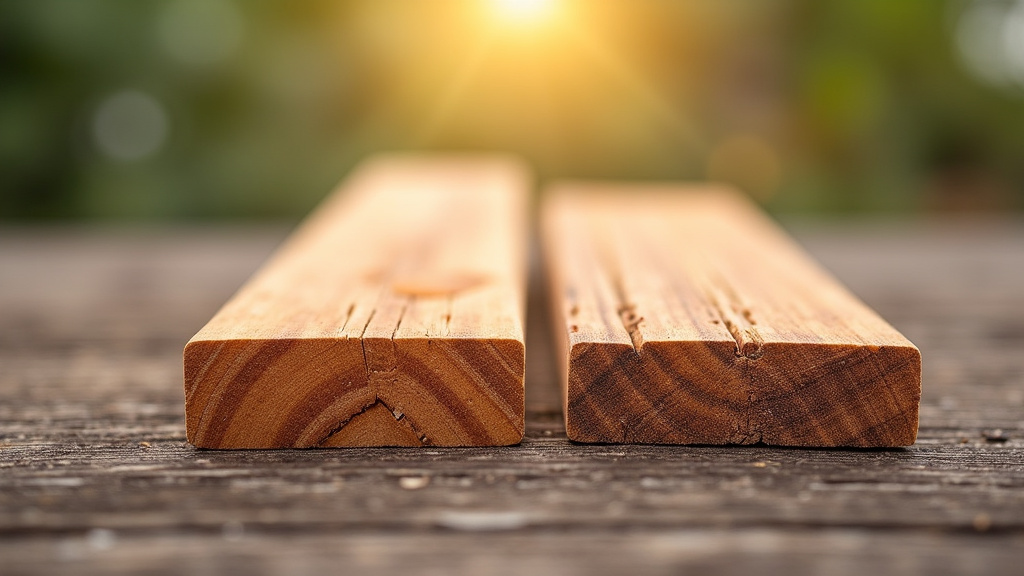
Stability: Resisting the Warping Factor
Conclusion
So, when you’re picking between pine and cedar, remember their core strengths. Woods used for porch swings include cedar, which offers top-notch natural defenses against bugs and rot and can be a lasting choice for the outdoors. Pine is a more budget-friendly option, generally lighter, but will need more protection for outdoor jobs. We found that understanding these key differences helps you match the wood to your project’s needs. Think about where your project will live and what it will face, then make your choice with confidence.
Frequently Asked Questions
Is cedar wood always more expensive than pine?
Generally, yes. Cedar wood typically costs more than most common pine varieties. This higher price reflects its natural resistance to decay and insects, which requires less treatment and offers longer lifespan, especially outdoors.
Can I use pine for outdoor furniture?
You can, but it requires extra care. Pine can be used for outdoor furniture, but you’ll need to apply good quality sealants and stains. Our guide to a pine porch swing explains what to consider when choosing one. Regular maintenance will be necessary to protect it from moisture and insects, unlike cedar.
Does cedar have a strong smell?
Yes, cedar is known for its distinct, pleasant aroma. This scent comes from the natural oils within the wood. Many people find the smell refreshing and a nice bonus, especially for indoor applications like closets or chests.
Which wood is better for fencing: pine or cedar?
For fencing, cedar is often the preferred choice. Its natural resistance to rot and insects means it will last longer when exposed to the elements and soil. While pine can be used, it will require more frequent treatments and may need replacement sooner.
Are there different types of pine and cedar?
Yes, there are many species of both pine and cedar, and their properties can vary. For example, some pine species are harder and more dense than others. Similarly, different cedar types might offer slightly different levels of natural resistance, though generally, cedar outperforms pine.


