What Is the Most Rot Resistant Wood? A Clear Answer
On this page (7 sections)
When you need wood that lasts outdoors, rot resistance is key. The most rot-resistant wood is generally considered to be Teak. This tropical hardwood naturally contains oils that repel water and insects, making it a top choice for decks, outdoor furniture, and boat building. Other excellent options include Black Locust and White Oak.
Choosing the right wood helps your projects stand up to weather. You want materials that won’t decay quickly with rain and sun exposure. We’ve looked into what makes wood resist rot. This involves understanding natural oils and compounds that protect the wood fibers from decay.
- Teak is the top choice for rot resistance.
- It contains natural oils that repel water and insects.
- Black Locust and White Oak are also very rot-resistant.
- Proper sealing can extend the life of most woods.
Below, we’ll break down exactly why these woods are so tough and what you can expect from them.
You’re looking for wood that can stand up to the elements. That means choosing lumber that won’t turn to mush when it gets wet or becomes a buffet for bugs. We’ve done the homework to help you find the best wood for outdoor projects.
Understanding Wood’s Natural Defenses Against Decay
Wood rot, also called decay, happens when fungi and bacteria break down wood fibers. This often occurs in damp conditions. Certain types of wood have natural defenses that make them much more resistant to this process.
The Role of Natural Oils and Extracts
Some trees produce compounds within their wood that act like a natural shield. These are often oils, resins, or extractives. They can repel water and deter insects. This makes the wood last much longer when exposed to moisture and pests. It’s like the tree built its own preservatives right into the grain.
Density and Heartwood vs. Sapwood
Generally, denser woods are more rot-resistant. The heartwood, which is the older, central part of the tree, is usually tougher than the sapwood (the outer layer). This is because the heartwood often contains more of those protective extractives. You’ll want to focus on heartwood when choosing rot-resistant lumber.
The Top Contenders for Rot Resistance
We’ve identified the leading choices when rot resistance is your main concern. These woods have proven their ability to last in harsh outdoor environments.
1. Teak: The Gold Standard
When we talk about the most rot-resistant wood, Teak often comes out on top. This tropical hardwood is famous for a reason. It’s naturally oily, which makes it incredibly resistant to water. Insects also tend to leave it alone.
Why Teak Excels
Teak contains a high concentration of natural oils and silica. These compounds not only repel water but also make it difficult for fungi and insects to attack. Even when left unfinished outdoors, Teak can last for decades. This is why it’s a top choice for boat decks, outdoor furniture, and anywhere that constant moisture is a problem.
Considerations for Teak
While Teak is amazing, it’s also expensive. Its tropical origin means it often comes with a higher price tag and transportation costs. You’ll find it’s the best, but it requires a bigger budget.
2. Black Locust: A Native Powerhouse
If you’re looking for a more accessible, yet highly rot-resistant option, Black Locust is a fantastic choice. This hardwood grows in North America and is known for its durability.
Black Locust’s Natural Protection
Research shows that Black Locust heartwood is extremely resistant to decay. This is thanks to its dense structure and natural extractives. It’s even been used for fence posts because it lasts so long in contact with the ground. Many experts consider it one of the most durable domestic woods available.
Where Black Locust Shines
It’s perfect for fencing, decking, and outdoor furniture. If you want a wood that’s tough and can handle tough conditions, Black Locust is worth considering. It’s a great balance of performance and cost compared to Teak.
3. White Oak: A Strong Competitor
White Oak is another excellent option for outdoor use, offering good resistance to decay and insects. It’s widely available and a reliable performer.
The Advantages of White Oak
The key to White Oak’s rot resistance lies in its closed-cell structure. The tyloses, which are small balloon-like growths, block the vessels in the wood. This makes it much harder for water to penetrate and for decay organisms to thrive. It’s also quite dense and strong.
White Oak Applications
You’ll see White Oak used for boat building, barrels, and outdoor structures. It holds up well to moisture, though perhaps not quite as long as Teak or Black Locust in extreme conditions. Still, it’s a solid choice for most outdoor projects.
Other Rot-Resistant Woods to Consider
While Teak, Black Locust, and White Oak are often highlighted, several other wood choices for porch swings offer good to excellent rot resistance. Knowing these can give you more options for your project’s budget and availability.
Redwood and Cedar
Many people associate Redwood and Cedar with outdoor projects, and for good reason. These softwoods have natural oils and tannins that provide a good level of resistance to decay and insects. They are lighter and easier to work with than hardwoods.
Performance Factors
The rot resistance in Redwood and Cedar mainly comes from their heartwood. It’s important to ensure you are getting heartwood, as the sapwood offers much less protection. Cedar, especially Western Red Cedar, is known for its aromatic properties, which also help deter pests. Redwood is prized for its beautiful color and stability.
When to Choose Redwood or Cedar
These woods are excellent for decks, siding, and outdoor furniture where extreme ground contact isn’t a primary concern. They are more affordable and easier to find than Teak or Black Locust. Many guidelines suggest that properly maintained Cedar and Redwood can last 15-20 years or more.
Cypress
Another North American native, Cypress, particularly Bald Cypress, is known for its durability in wet conditions. It has a natural resistance to decay.
Cypress’s Strengths
Cypress contains cypressene and other extractives that help protect it from rot and insects. It’s often found in swampy areas, which is a good indicator of its ability to handle moisture. It has a lovely appearance and works well outdoors.
Where Cypress is Used
Cypress is a popular choice for outdoor furniture, decks, and fencing. It offers a good balance of rot resistance and workability.
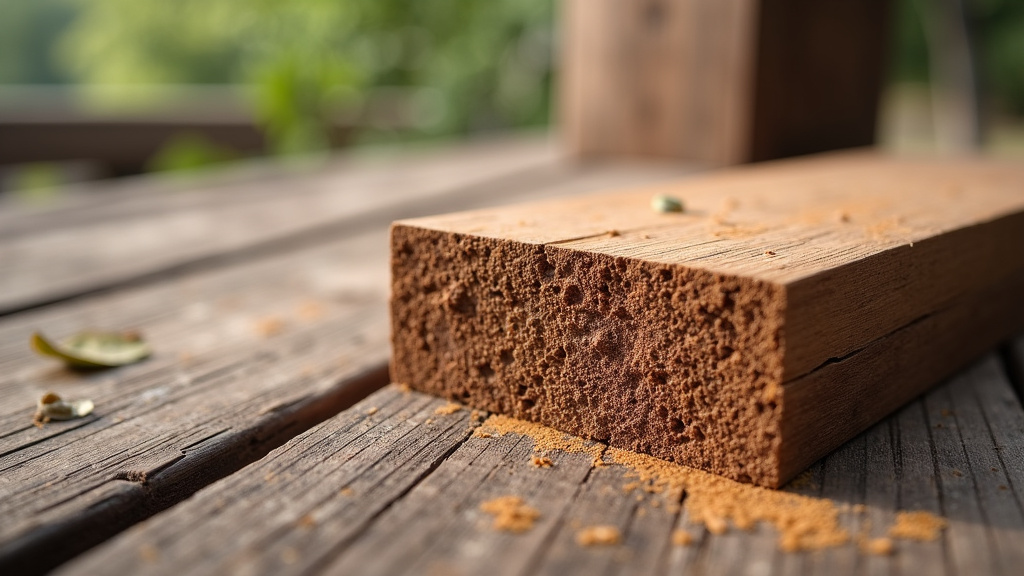
Comparing Rot Resistance: A Quick Look
It can be helpful to see how these woods stack up against each other. Keep in mind that actual lifespan depends on many factors, including the specific conditions and maintenance.
| Wood Type | General Rot Resistance | Typical Uses | Notes |
|---|---|---|---|
| Teak | Excellent | Decks, furniture, boat building | Very oily, high cost |
| Black Locust | Excellent | Fence posts, decking, outdoor structures | Dense, native hardwood |
| White Oak | Very Good | Outdoor furniture, barrels, decking | Closed-cell structure, widely available |
| Redwood | Good to Very Good (Heartwood) | Decks, siding, fences | Requires heartwood for best results |
| Cedar (Western Red) | Good to Very Good (Heartwood) | Siding, decks, outdoor furniture | Aromatic, requires heartwood |
| Cypress | Good to Very Good | Decks, furniture, outdoor structures | Good moisture resistance |
Maximizing Wood Longevity: Beyond the Wood Type
Choosing a rot-resistant wood is a great first step. But there are other things you can do to ensure your outdoor projects last as long as possible.
Proper Installation and Drainage
Even the best wood can suffer if installed improperly. Ensure that your project allows for good drainage. Avoid having wood sit directly on soil or in standing water. Proper ventilation is also key to preventing moisture buildup.
Finishing and Sealing
While some woods like Teak can be left unfinished, most benefit from a protective finish. A good quality sealer or stain can add an extra layer of defense against moisture and UV rays. Reapplying these finishes periodically can make a big difference.
Regular Maintenance and Inspection
Don’t forget about your wood after it’s installed. Regularly cleaning your deck or furniture can remove debris that traps moisture. Inspecting for any signs of wear or damage allows you to address problems early.
What About Treated Lumber?
Pressure-treated lumber is chemically treated to resist rot and insects. It’s a very common and effective option for outdoor projects, especially for ground contact. Modern treatments are considered safe for most uses when handled properly. It’s a more budget-friendly alternative to many natural hardwoods.
Your Outdoor Project Checklist
Ready to make a choice? Here’s a quick list to help you focus:
- Identify your project’s exposure to moisture and ground contact.
- Consider your budget – Teak is premium, others are more accessible.
- Prioritize heartwood for softer, naturally resistant woods like Redwood and Cedar.
- Think about ease of working with the wood.
- Plan for regular maintenance and protection.
- Explore treated lumber as a cost-effective, highly resistant option.
Conclusion
Choosing the right wood for your outdoor projects is a smart move. You’ve learned that Teak, Black Locust, and White Oak stand out for their natural defenses against rot. Remember, even the best woods benefit from good installation and protection. By understanding wood’s properties and considering your project’s needs, you can make an informed choice. Start by assessing your project’s environment and your budget, then select the wood that best balances durability and cost for your plans.
Frequently Asked Questions
Is Teak really worth the high cost for rot resistance?
Teak’s exceptional rot resistance comes from its natural oils and silica, making it last decades even in harsh conditions. If your project requires the absolute longest lifespan with minimal maintenance, and budget is not a primary concern, Teak is an excellent investment. For many other situations, other options offer great value.
Can I use regular pine for outdoor projects if I seal it well?
While sealing can help, most untreated softwoods like pine lack the natural defenses to last long outdoors. They are much more susceptible to rot and insect damage compared to woods like Teak or Black Locust. For projects exposed to weather, choosing inherently rot-resistant wood is a safer bet for longevity.
What’s the difference between heartwood and sapwood for rot resistance?
Heartwood is the older, central part of a tree, often richer in natural oils and extractives that repel rot and insects. Sapwood is the younger, outer layer and typically lacks these protective compounds. When choosing rot-resistant woods like Redwood or Cedar, prioritizing heartwood ensures you get the best natural protection.
Is pressure-treated wood considered rot-resistant?
Yes, pressure-treated lumber is chemically treated to be highly resistant to rot and insects. It’s a very common and effective choice, especially for applications like decks and fences that may have ground contact. It offers a more budget-friendly alternative to naturally rot-resistant hardwoods for many outdoor uses.
How can I tell if my wood is rotting?
Signs of wood rot include a spongy or crumbly texture, discoloration (often dark brown or black), and a musty smell. You might also see visible mold or fungus growth. If wood feels unusually soft or weak when you press on it, it’s a strong indicator that decay is present.


