What Is a Metal Porch Swing? Quick Fixes
On this page (7 sections)
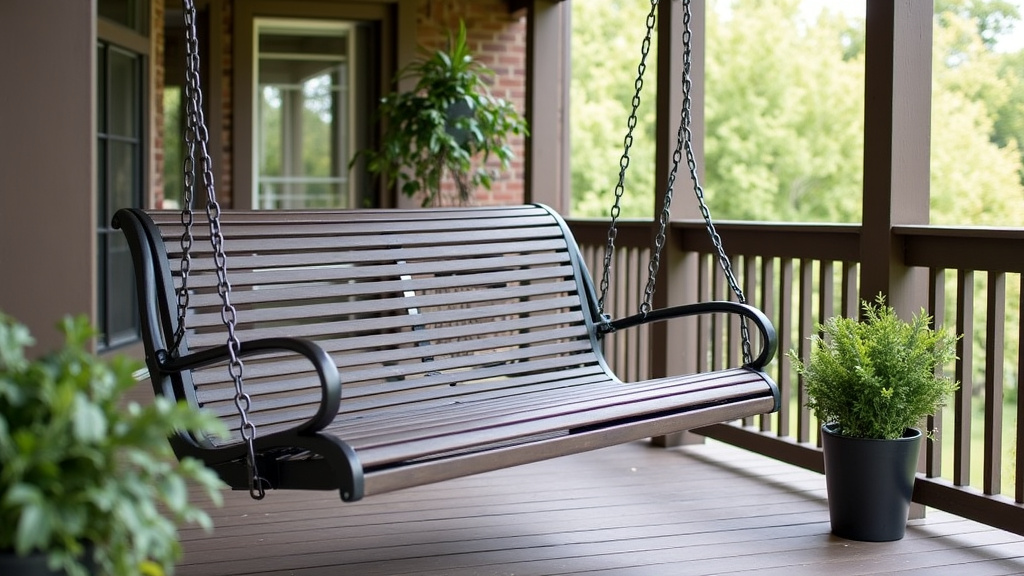
A metal porch swing is a sturdy outdoor seating option, typically made from iron, steel, or aluminum. It’s designed to hang from a porch ceiling or stand with its own frame, offering a relaxing place to sit. These swings are known for their durability and weather resistance, making them a great choice for your outdoor space. For an iron design, see our wrought iron porch swing guide.
When your metal porch swing shows signs of wear, like rust or squeaks, quick fixes can save the day. Owners of a smaller model can use our small porch swing repair guide for related fixes. Many common issues can be addressed with simple tools and supplies. We found that a little maintenance goes a long way in keeping your swing looking great and functioning smoothly. Think of it as giving your swing a spa day so it can continue to provide you with cozy relaxation.
- Metal porch swings are durable outdoor seats.
- They can be made from iron, steel, or aluminum.
- Simple fixes can address rust and squeaks.
- Regular maintenance keeps them looking good.
Let’s walk through some easy fixes to get your metal porch swing back in tip-top shape and ready for some peaceful lounging.
Keeping Your Metal Porch Swing Looking and Feeling Its Best
A metal porch swing adds a touch of charm and comfort to your outdoor living space. But like anything exposed to the elements, it can sometimes show signs of wear. You might notice rust spots, squeaky hinges, or faded paint. The good news is that most of these issues are fairly easy to fix. We’ve found that a little bit of regular care can keep your swing looking great for years to come. Think of it as giving your swing a little TLC. This will ensure it remains a cozy spot for relaxation. A single seat porch swing offers a compact option for one person.
Tackling Rust: Your Swing’s Arch Nemesis
rust on metal furniture is probably the most common problem you’ll encounter with a metal porch swing. It happens when the metal is exposed to moisture and oxygen. But don’t worry, you can fight back! The key is to address it early.
Step 1: Assess the Damage
First, take a close look at your swing. Are the rust spots small and superficial? Or are they deep and causing the metal to pit or flake?
- Minor rust: This usually looks like reddish-brown dust on the surface. It’s often easy to wipe away.
- Moderate rust: This might be a bit thicker, with some flaking or a rough texture. It requires a bit more elbow grease.
- Severe rust: If the rust has eaten away at the metal, creating holes or weak spots, it might be time to consider repair or replacement. We found that safety is always the top priority.
Step 2: Gather Your Supplies for Rust Removal
For most rust jobs, you’ll need a few basic items. You probably have most of them around the house already.
- Wire brush or steel wool (medium grit)
- Sandpaper (medium and fine grit)
- Clean cloths or rags
- Mild soap and water
- Protective gloves and eye protection
- Rust remover solution (optional, for tougher spots)
- Metal primer
- Matching metal paint
Step 3: The Removal Process
Once you have your supplies, it’s time to get to work. Start by cleaning the affected area with soap and water. Let it dry completely.
Then, use the wire brush or steel wool to scrub away as much of the rust as possible. Be firm but avoid scratching the surrounding paint unnecessarily. For stubborn spots, you can move on to sandpaper. Start with medium-grit sandpaper and finish with fine-grit to smooth the surface.
If the rust is particularly stubborn, a rust remover solution can help. Always follow the product instructions carefully. Many rust removers suggest a specific dwell time before wiping them away. We found that patience here makes the process smoother.
Step 4: Protect and Repaint
After you’ve removed all the rust and the surface is smooth and clean, it’s time to protect your work. Apply a coat of metal primer to the treated area. This creates a barrier and helps the new paint adhere better. Let the primer dry completely according to the manufacturer’s instructions.
Finally, apply a coat or two of matching metal paint. This not only restores the look but also provides another layer of protection against future rust. Ensure you use paint specifically designed for metal and outdoor use. A good paint job is key to long-term durability.
Silencing Squeaks: Restoring Peaceful Swinging
Does your swing groan and creak with every sway? That annoying squeak can really disrupt a peaceful afternoon. Fortunately, most squeaks come from metal-on-metal friction in the chain or pivot points. Fixing this is usually a quick and simple job.
Where Do Squeaks Come From?
Squeaks typically occur where metal parts rub against each other. This is often in the chain links themselves or where the chain connects to the swing’s frame or hanging bracket. Over time, the protective coating can wear away, exposing the metal.
Your Solution: Lubrication is Key
The easiest way to stop squeaks is by applying a lubricant. You have a few good options:
- Lubricating oil (like WD-40 or similar): This is a common household item and works well for quick fixes. It penetrates well.
- Silicone spray: This is a good choice as it doesn’t attract as much dust and dirt as oil-based lubricants.
- Grease (like lithium grease): For more heavy-duty or long-lasting lubrication, grease can be a good option. It’s thicker and stays in place longer.
How to Apply Lubricant Effectively
Start by identifying the source of the squeak. Gently move the swing back and forth to pinpoint the noisy area. Focus your application there.
Apply a small amount of your chosen lubricant directly to the suspected friction points. For chains, try to get it between each link. If it’s a pivot point, apply it to where the parts connect.
Work the swing back and forth for a minute or two. This helps the lubricant spread evenly and work its way into the metal. Wipe away any excess lubricant with a clean cloth. We found that over-application can lead to drips.
You might need to reapply the lubricant every few months, especially after heavy rain. Keeping the pivot points clean also helps prevent future squeaks.
Maintaining Your Metal Porch Swing’s Finish
Keeping your swing’s paint or powder coating in good shape is essential for both looks and longevity. A well-maintained finish protects the metal underneath.
Regular Cleaning
The best defense is a good offense. Regularly cleaning your swing can prevent dirt and grime from building up. This also gives you a chance to spot any potential issues early.
Use a soft cloth, mild soap, and cool water. Gently wipe down all surfaces. Rinse thoroughly and let the swing air dry or dry it with a clean cloth. Avoid abrasive cleaners or scrubbers, as they can damage the finish.
Touch-Up Paint for Scratches and Chips
Even with careful use, minor scratches or chips can happen. These small imperfections can be entry points for moisture, leading to rust. Thankfully, they are usually easy to fix.
If you notice a small chip or scratch, clean the area thoroughly. Let it dry completely. Then, use a small brush to apply a matching touch-up paint. Many manufacturers offer touch-up kits. If not, you can try to match the color at a hardware store. Apply thin coats and let each one dry. A little touch-up work can prevent bigger problems down the road. Experts say that maintaining the protective coating is crucial (National Association of Home Builders).
Protecting from the Elements
If you live in an area with harsh weather, consider additional protection. During long periods of disuse or extreme weather, such as heavy snow or prolonged dampness, covering your swing can be beneficial. Special covers are available that fit most porch swings. These help shield the metal and finish from direct exposure to rain, sun, and snow. We found that these covers can significantly extend the life of the finish.
Quick Checklist for Swing Maintenance
Here’s a quick rundown to help you remember the essential maintenance steps:
- Inspect for rust spots regularly.
- Clean the swing with mild soap and water monthly.
- Lubricate squeaky chains or joints as needed.
- Touch up any paint chips or scratches promptly.
- Consider using a cover during harsh weather.
- Check hanging hardware for security.
Conclusion
You’ve learned how to keep your metal porch swing in great shape. Tackling rust and silencing squeaks are straightforward DIY projects. With just a few basic supplies, you can restore its beauty and function. Regular cleaning and touch-ups also protect your investment. By following these simple steps, you ensure your swing remains a cozy spot for years. So, grab your supplies and give your swing the care it deserves for many relaxing moments ahead.
Frequently Asked Questions
How often should I clean my metal porch swing?
We recommend cleaning your metal porch swing about once a month. A quick wipe-down with mild soap and water helps prevent dirt buildup. This regular cleaning also gives you a chance to spot any developing rust or damage.
Can I paint over rust on my metal porch swing?
No, it’s best not to paint directly over rust. You need to remove the rust completely first. Painting over it won’t stop the rust from spreading and will lead to bigger problems down the line.
What’s the best lubricant for a squeaky metal porch swing?
For quick fixes, a lubricating oil like WD-40 works well. For longer-lasting results that attract less dust, silicone spray is a good option. If you need heavy-duty lubrication, consider using a thicker grease like lithium grease.
How do I protect my metal porch swing during winter?
If you live in an area with harsh winters, covering your swing is a smart move. Special swing covers can shield it from snow, ice, and moisture. Storing it indoors if possible is also an option for maximum protection.
My swing has deep rust spots. Is it ruined?
If rust has created deep pits or weak spots, it might be beyond simple fixes. Safety is always the top concern. For severe rust, you may need to consult a professional for repair or consider replacing the swing.


