Does Metal Porch Furniture Rust? What It Means
On this page (7 sections)
Yes, metal porch furniture can rust, but it depends on the type of metal and how it’s treated. Iron and steel are prone to rust if not properly protected. Aluminum and stainless steel are much more rust-resistant. Your furniture’s finish also plays a big role in its longevity.
Understanding the materials used is key to caring for your outdoor pieces. Many modern metals are coated or alloyed to prevent corrosion. Even with protective layers, harsh weather can eventually wear them down. Knowing these differences helps you choose wisely and maintain your furniture.
- Metal porch furniture can rust, but not all types will.
- Iron and steel are the most susceptible to rust.
- Aluminum and stainless steel are naturally rust-resistant.
- Protective coatings and finishes are vital for preventing rust.
- Proper care can greatly extend the life of your metal furniture.
Let’s break down why some metal furniture rusts and what you can do about it.
Understanding Rust and Your Metal Porch Furniture
So, does metal porch furniture rust? The short answer is: sometimes. It really depends on the type of metal and how it’s protected. If you’ve ever seen an old metal chair with reddish-brown flakes, you’ve seen rust. It’s a common sight for many outdoor items. But knowing why it happens can help you keep your porch looking great.
Rust is essentially a chemical reaction. It happens when iron or steel is exposed to oxygen and moisture. Think of it like your furniture getting a really bad cold. The metal oxidizes, which weakens it over time. This can lead to flaking paint and eventually a damaged piece of furniture. We’ll dive into which metals are more prone to this.
The Science Behind the Reddish-Brown Hue
Rust, scientifically known as iron oxide, forms when iron or its alloys, like steel, come into contact with water and oxygen. This process is called oxidation. It’s a natural process, but it’s not a friend to your patio set. The more moisture and air your metal furniture is exposed to, the faster this reaction can occur. It’s like leaving a wet sponge out; it’s going to get funky.
This oxidation doesn’t just look bad; it can actually eat away at the metal itself. Over time, rust can make your furniture weak and unstable. This is why it’s important to understand the materials you’re buying and how to protect them. It’s a bit like understanding how your car works; knowing the basics helps you take better care of it.
Which Metals Are Most Likely to Rust?
Not all metals are created equal when it comes to rust. Some are practically immune, while others need a lot of help. The main culprits for rust are iron and steel. Most common metal furniture you’ll find is made from these, often with a protective coating. But if that coating is damaged, rust can set in.
Think about the difference between a brand-new car and an old, rusty car. The new one shines, but the old one might have spots of rust. This is because the protective layers on the older car have worn away. Your porch furniture can experience the same thing. Let’s look at the usual suspects.
Iron and Steel: The Common Offenders
Cast iron and wrought iron furniture, while beautiful and heavy, are very susceptible to rust. They are iron-based, and iron loves to react with oxygen and water. You’ll often see these pieces with a powder coating or paint. For swing-specific details, see our guide to wrought iron porch swings. This coating is their primary defense against rust. But even a tiny scratch can let moisture in.
Steel, which is an alloy of iron and carbon, is also prone to rusting. Stainless steel is a bit different, which we’ll discuss later. Regular steel, however, will rust if not properly treated. Many steel furniture items are galvanized or have a thick coat of paint applied. These measures are designed to keep the rust at bay for as long as possible. It’s like putting on a raincoat before going out in the rain.
Aluminum and Stainless Steel: The Rust-Resistant Stars
On the flip side, you have metals like aluminum. For details on this option, see our guide to aluminum porch swings. Pure aluminum doesn’t rust in the way iron does. It can oxidize, forming a dull gray layer called aluminum oxide, but this layer actually protects the metal underneath. So, while it might look a bit duller over time, it won’t turn into flakes of rust. It’s much more forgiving outdoors.
Stainless steel is another fantastic option. The “stainless” part means it’s made with chromium, which forms a protective oxide layer. This layer is much more effective than the one on regular aluminum. Stainless steel is highly resistant to rust and corrosion. It’s a popular choice for its durability and low maintenance. If you want to avoid rust worries, these are your go-to materials.
How Finishes and Coatings Help Prevent Rust
Even with rust-prone metals like iron and steel, manufacturers use several techniques to protect your furniture. These protective finishes are your first line of defense. They create a barrier between the metal and the elements. Without them, your furniture wouldn’t last long outdoors. Understanding these can help you appreciate your furniture more.
The type and quality of the finish matter a lot. A cheap paint job might chip easily, exposing the metal underneath. A high-quality powder coating, on the other hand, can be very durable. Let’s explore some common protective treatments.
Powder Coating: A Durable Shield
Powder coating is a very popular and effective way to protect metal furniture. It involves applying a dry powder electrostatically to the metal. Then, it’s cured under heat. This creates a hard, durable finish that is much tougher than liquid paint. It’s less likely to chip or scratch, offering excellent protection against moisture and air.
Many modern metal patio sets use powder coating. It comes in a wide range of colors and textures. This makes it both functional and attractive. When you see a nicely finished metal chair, chances are it’s powder-coated. We found that powder-coated items tend to hold up better over the years (Many industry guides suggest this).
Galvanization: A Zinc Barrier
Galvanization is a process where steel or iron is coated with a protective layer of zinc. This is usually done by dipping the metal into a bath of molten zinc. The zinc acts as a sacrificial barrier. This means that if the coating gets scratched, the zinc will corrode before the steel does. It’s like having a bodyguard for your furniture.
Galvanized furniture often has a dull, silvery appearance, though it can also be painted over. It’s a very robust method for preventing rust, especially for items that might experience rougher wear. It’s a common treatment for outdoor equipment and furniture.
E-Coating and Other Treatments
Manufacturers also use E-coating (electrophoretic coating) which is similar to powder coating but applied in a liquid bath. This ensures an even coating, even in hard-to-reach areas. Some furniture might also have a primer layer underneath the final paint coat. This adds another layer of protection.
The goal of all these treatments is to prevent the elements from reaching the base metal. When these protective layers are intact, your furniture is much less likely to rust. However, it’s important to remember that no finish is completely indestructible.
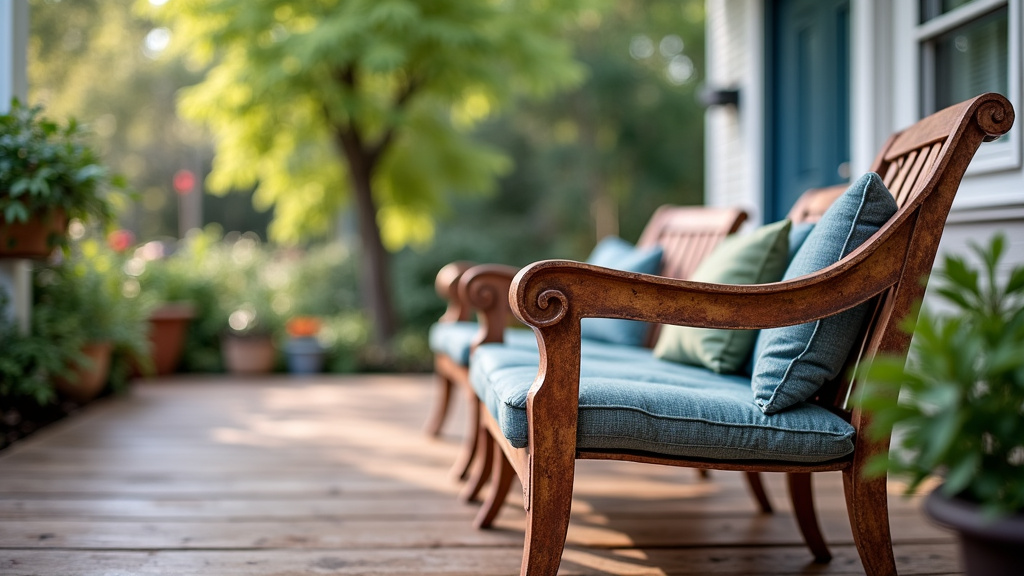
How Weather and Environment Affect Your Furniture
Even the best-protected metal furniture can eventually show signs of wear. Your porch is exposed to the elements daily. Rain, humidity, salt air (if you live near the coast), and even intense sunlight can take a toll. These factors can degrade the protective finish over time, making the metal vulnerable.
Think about how your skin changes after too much sun. Metal furniture can face similar challenges. The environment plays a big role in how long your furniture stays looking new. We found that furniture in very humid or coastal areas tends to require more frequent checks (Consumer reports have indicated this).
The Impact of Moisture and Salt
Water is rust’s best friend. Constant exposure to rain or dew can saturate any tiny cracks in the finish. Humidity, the amount of water vapor in the air, also contributes. In humid climates, the air itself can keep the metal surface slightly damp, encouraging oxidation. If you live near the ocean, the salt in the air is an accelerant.
Salt is particularly corrosive. It speeds up the chemical reaction that causes rust. If you have metal furniture near the beach, you’ll likely need to be extra vigilant about cleaning and maintenance. It’s like a double whammy for your furniture’s finish.
Sunlight and Temperature Fluctuations
While sunlight doesn’t directly cause rust, it can degrade paint and finishes over time. UV rays can break down the polymers in paint, making it brittle and more prone to cracking. Extreme temperature changes can also cause materials to expand and contract, potentially leading to small fissures in the protective coating.
These tiny cracks, invisible to the naked eye, are entry points for moisture. So, while the sun might make your porch cozy, it can also be a slow enemy to your furniture’s finish. It’s a good idea to consider where your furniture sits and for how long it’s in direct sun.
Caring for Your Metal Furniture to Prevent Rust
The good news is that you can significantly extend the life of your metal porch furniture with a little care. It doesn’t take a lot of time, but consistency is key. Think of it as a simple maintenance routine, like brushing your teeth. A little effort now saves a lot of trouble later.
Regular cleaning and inspection are your best tools. By keeping an eye out for small issues, you can address them before they become big problems. Here’s a quick rundown of what you can do:
- Clean regularly: Wipe down your furniture with mild soap and water.
- Inspect for damage: Look for chips, scratches, or signs of wear on the finish.
- Touch up minor damage: Use a rust-inhibiting primer and touch-up paint for small scratches.
- Protect from harsh elements: Consider covers or moving furniture during extreme weather.
- Dry thoroughly: After cleaning or rain, make sure furniture is dry.
Regular Cleaning and Inspection
A simple wash-down every few weeks can make a big difference. Use a soft cloth or sponge with a mild soap and water solution. Rinse thoroughly and dry the furniture completely. This removes dirt, grime, and any salt residue that could be slowly corroding the finish.
While cleaning, take a moment to look closely at the surface. Are there any small chips or scratches? These are often the first places where rust can begin. Catching them early is much easier than dealing with a large rusted area.
Addressing Minor Damage Promptly
If you spot a small scratch or chip in the paint, don’t ignore it. You can buy touch-up paint kits designed for outdoor furniture. First, gently sand the area around the scratch. Then, apply a rust-inhibiting primer. Once that’s dry, apply a matching coat of paint or powder coating. This simple step can prevent rust from ever starting in that spot.
It might seem like a small effort, but it’s incredibly effective. Think of it as patching a small hole in your favorite sweater before it gets bigger. It keeps the rest of the garment (or furniture!) in good condition.
Protective Covers and Storage
When you’re not using your furniture, or during seasons with heavy rain or snow, consider using protective covers. Good quality outdoor furniture covers are designed to be breathable yet water-resistant. They create a barrier against moisture and debris. Many experts recommend covers for extending furniture life (Gardening and outdoor living publications often state this).
If you have the space, storing your furniture indoors during the off-season can be even better. A shed, garage, or even a covered porch can provide a dry, safe haven. This significantly reduces its exposure to the elements, meaning less chance for rust to form.
Conclusion
So, does metal porch furniture rust? The answer is nuanced: some types will, and some are highly resistant. Your iron or steel pieces need diligent care to ward off rust, while aluminum and stainless steel offer much more peace of mind. Understanding your furniture’s materials and the protective finishes they wear is your best defense. By regularly cleaning, inspecting, and touching up minor damage, you can enjoy your metal porch furniture for many seasons to come. Now that you know what to look for, take a moment to assess your current pieces and plan your maintenance routine.
Frequently Asked Questions
What is the fastest way to remove rust from my metal porch furniture?
For light rust, a paste of baking soda and water can be effective. For heavier rust, you might need a wire brush and a rust remover product specifically designed for outdoor metal. Always test a small, inconspicuous area first and rinse thoroughly afterward.
Can I leave my metal furniture outside all year round, even in snowy climates?
While some finishes are durable, leaving metal furniture exposed to snow and ice year-round will accelerate wear and tear. It’s best to use protective covers or store your furniture indoors during harsh winter months to prevent rust and damage.
How often should I clean my metal porch furniture?
Aim to wipe down your metal furniture with mild soap and water at least once a month. More frequent cleaning is recommended if you live in a humid or coastal area, or if the furniture experiences heavy use.
What’s the difference between rust and corrosion on metal furniture?
Rust specifically refers to the reddish-brown iron oxide that forms when iron or steel is exposed to oxygen and moisture. Corrosion is a broader term for the degradation of a metal due to a chemical reaction with its environment, which can include rusting, but also other forms of damage on different metals.
My aluminum furniture looks dull but isn’t rusty. Is this normal?
Yes, that’s completely normal for aluminum. Aluminum naturally oxidizes to form a protective layer of aluminum oxide, which appears as a dull gray finish. This layer actually prevents deeper rust-like corrosion, so it’s a sign of the metal protecting itself.


