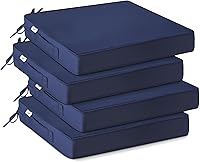
How to Recover Outdoor Cushions
To recover outdoor cushions, remove the old cover, use it as a pattern, and sew a new cover around the existing filling if that filling is clean, dry, and still supportive.
On this page (9 sections)
- Can you recover outdoor cushions and reuse the filling?
- What tools and materials do you need?
- How do you remove the old cover without losing its shape?
- How do you measure and cut fabric for outdoor cushion covers?
- How do you sew a replacement cover?
- How do you fit the cover over the filling?
- What should you do if the old filling needs replacing?
- How do you care for recovered outdoor cushions?
- Is recovering outdoor cushions worth the effort?
To recover outdoor cushions, remove the old cover, use it as a pattern, and sew a replacement around the existing filling if it is clean, dry, and still supportive. This saves the foam and lets you refresh the look without making a whole new cushion.
Start with one cushion and check its filling before you buy fabric. If the foam is misshapen, crumbling, or holding a musty smell, replacing it may be a better use of your time.
Can you recover outdoor cushions and reuse the filling?
Yes, you can recover outdoor cushions and reuse the filling when it remains clean, dry, and supportive. Press the cushion and watch whether it regains its shape; inspect the seams and edges for crumbling or tears.
If the foam passes that check, set it aside in a dry place while you make the cover. If it fails, measure the insert before looking at replacement foam, since the right fit depends on its length, width, and thickness.
For a broader overview of cushion sizes and styles, see our outdoor cushions guide. If you plan to make a cushion from scratch instead, our guide to how to make outdoor cushions covers that project.
When is replacement foam a better choice?
Replace the filling if it smells musty after drying, crumbles when handled, or no longer gives the cushion usable support. A cover can't restore damaged foam, and sewing a new one around a poor insert may leave you with the same uncomfortable seat.
For a thin insert, GoTo Foam's 1 in thick, 24 in wide polyurethane foam comes in a 72 in length and has a 44 lb compression rating. It can suit a project that needs a narrow foam strip cut to size.
Measure the old insert and compare those measurements with the foam dimensions before choosing it. This is a foam sheet, so you'll still need an outdoor fabric cover.
What tools and materials do you need?
Gather the cushion, seam ripper, measuring tape, pins or clips, fabric, thread, and a sewing machine before removing the old cover. A zipper foot helps if the cover will have a zipper, while scissors or a rotary cutter make it easier to cut clean edges.
Choose sturdy thread and a needle that work with your fabric weight. Check the fabric care label before buying so you know whether it can be cleaned the way you plan to maintain the cushions.
Measure the cushion before cutting, then leave room for seam allowances. If you want help choosing a material, read what makes the best outdoor cushion material.
How do you remove the old cover without losing its shape?
Unzip the cover and ease the filling out without pulling hard on the seams. If there is no zipper, use a seam ripper to open one seam slowly, keeping the cut edges intact.
As you take the cover apart, note how the panels fit together and where the zipper sits. Label each piece with its position, such as top, bottom, side, and front, so you can lay the fabric out correctly.
Keep the panels flat and avoid stretching them. They can serve as a useful template, but if the old cover has stretched or shrunk, take fresh measurements from the insert and adjust the pattern.
How do you measure and cut fabric for outdoor cushion covers?
Measure the insert and use the old panels as a guide, adding seam allowance around every cut edge. Measure length, width, and thickness at more than one point if the cushion is uneven.
The old fabric may have stretched with use, so don't copy its dimensions without checking them against the foam. A snug cover can help the cushion hold a neat shape, but a cover that's too tight can stress seams or make the zipper hard to close.
Lay the panels on the fabric in the same direction, especially if it has a stripe or print. For a step-by-step template method, see how to make a pattern for outdoor cushion covers.
How much fabric should you buy?
Buy enough fabric to cover every panel, plus seam allowances and a little extra for matching a pattern. The total depends on the cushion shape, fabric width, and layout, so arrange your pattern pieces before cutting.
If you're covering a set, measure each cushion instead of assuming they're identical. Keep pieces for each cushion together and label them as you go.
How do you sew a replacement cover?
Sew the panels together with their right sides facing inward, leaving an opening or zipper for the insert. Pin or clip the edges first, then sew slowly around corners and curves.
Follow the seam order from the old cover when possible. If you're adding a zipper, position it along a straight edge where you can reach it easily, and follow its package directions.
Before turning the cover right side out, trim excess fabric at corners without cutting through the stitches. Turn it, check the shape, and test the fit on the cushion before closing the opening.
How do you fit the cover over the filling?
Put the filling into the cover gradually and ease each corner into place. Avoid pulling on a single seam or forcing the insert through a small opening.
Close the zipper or hand-sew the remaining opening once the cushion sits evenly. If the cover puckers or the corners bunch, take it off and check that the panels and insert line up.
What should you do if the old filling needs replacing?
Match replacement foam to the cushion's measured length, width, and thickness. Foam that's too large can distort the cover, while foam that's too small may leave it loose.
Foamma's square foam pad measures 24 x 24 in and is 4 in thick. Its 44 lb compression rate and firm feel may suit a square seat insert, and the cover is not included.
Check your insert's measurements against the pad before ordering. If your shape or size differs, look for foam cut to match it; see our guide to the best foam for outdoor cushions.
For a throw pillow rather than a seat cushion, OTOSTAR's outdoor inserts come as a pair of 12 x 20 in polyester-filled pillows with water-resistant covers. They may suit decorative pillows whose old filling needs replacing.
Check that the insert size matches your pillow cover. These are throw pillow inserts, so they aren't a substitute for a firm seat cushion.
How do you care for recovered outdoor cushions?
Keep recovered cushions dry when possible and follow the fabric's cleaning instructions. Bring them under cover during prolonged rain, and let them dry fully before storing them.
Brush away loose dirt before it settles into the fabric. Check seams and zippers from time to time, and repair a loose stitch before it opens further.
For seasonal storage, make sure cushions are completely dry and store them in a clean, dry place. A fitted cover protects the filling from dirt, but it doesn't remove the need to dry the cushion after it gets wet.
Is recovering outdoor cushions worth the effort?
Recover outdoor cushions if the filling is still clean, dry, and supportive, and you can make a fitted cover from outdoor fabric. Replace the insert if it has lost its shape or support, then size the new cover to fit it.
Choose GoTo Foam for a thin foam piece, Foamma for a square 4 in seat insert, or OTOSTAR for 12 x 20 in throw pillows. Measure first, then decide whether the old filling can stay or needs replacing.
Frequently asked questions
Can you recover outdoor cushions without replacing the foam?
Yes, reuse the foam if it is clean, dry, holds its shape, and still feels supportive. Remove the cover carefully, inspect the filling for damage or persistent odor, and make a new cover to fit it.
Replace the foam if it crumbles, stays damp, or has lost support.
What fabric should I use to recover outdoor cushions?
Choose fabric made for outdoor use, with care instructions that suit how the cushions will be used and stored. Check the fabric width, weight, and cleaning guidance before cutting.
A water-resistant cover can help with splashes, but bring cushions in or cover them during prolonged rain.
Should a new cushion cover be smaller than the foam?
Make the cover close to the foam's measurements so it fits neatly, but account for seam allowances and the cushion's shape. A cover that's too loose can wrinkle, while one that's too tight can strain seams or make the zipper hard to close.
Test the fit before finishing.
Can you recover cushions with a zipper?
Yes. Reuse a zipper that works and is long enough for the cushion, or sew in a new one so the insert can be removed for cleaning.
Keep the zipper away from a spot where rain pools, and follow the fabric maker's care instructions.