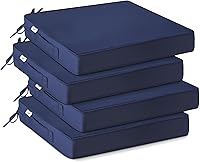
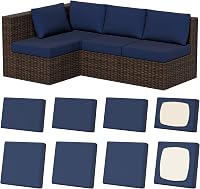
How to Make Outdoor Cushions
To make outdoor cushions, measure the seat, cut a pattern, sew a weather-suited cover, and fit foam or inserts that match its dimensions. Use outdoor fabric, strong thread, and a closure that lets you remove the filling for cleaning.
On this page (7 sections)
To make outdoor cushions, measure the seat, make a pattern, sew an outdoor fabric cover, and fit foam or inserts to the finished dimensions. Choose materials for the cushion's shape and exposure, then let wet cushions dry fully before storing them.
A simple boxed seat cushion has a top, a bottom, and a fabric strip around the sides. A flat pillow cushion needs fewer pieces, while a shaped chair cushion may need darts, ties, or curved edges.
What supplies do you need to make outdoor cushions?
You need outdoor upholstery fabric, a matching pattern, thread, scissors, pins or clips, a measuring tape, and suitable filling. A zipper or another closure is useful when you'll remove the cover for cleaning.
Use a sewing machine that can handle the fabric thickness, plus a zipper foot if your design includes a zipper. Check the machine manual and needle guidance for heavy fabric, and make a test seam on scraps before sewing the cushion.
Choose filling by cushion type. Seat cushions often use a shaped foam core, while loose back pillows can use a pillow insert.
This foam measures 24 x 72 inches and has a 44 lb compression rating. Cut a small test piece first to check how it fits and feels before trimming the full piece.
For a broader guide to seat and pillow options, see outdoor cushions. If you're still choosing materials, compare the best outdoor cushion material for your weather and care needs.
How do you measure an outdoor cushion?
Measure the seat's usable length, width, and depth at the points where the cushion will sit. Record whether the edges are straight, rounded, tapered, or angled, and check for arms, rails, or back supports that affect the fit.
For a replacement cushion, measure the old cover seam to seam and compare it with the furniture. A stretched or misshapen cover can give you poor measurements, so check the seat frame too.
Decide on the finished thickness based on the seat height and clearance. A thicker cushion can raise your sitting position, so check that it won't interfere with a table, armrests, or a nearby swing frame.
How do you make a pattern for outdoor cushion covers?
Make a pattern by tracing the cushion's top and bottom shape, then adding seam allowance around each edge. For a boxed cushion, measure the foam's perimeter and thickness to determine the length and width of the side strip.
Use paper or inexpensive fabric for a test pattern if the cushion has curves or a taper. You can find the steps in our guide to making a pattern for outdoor cushion covers.
Mark the front, back, and grain direction on each pattern piece. Label any zipper opening and tie placement before cutting the final fabric.
How do you choose outdoor fabric and thread?
Choose outdoor upholstery fabric suited to sun, moisture, and cleaning where the cushion will sit. Read the fabric care instructions and confirm that its weight works with your machine and the seams you plan to sew.
Use thread intended for outdoor or upholstery projects, and test it with the fabric and needle first. A balanced test seam should lie flat without skipped stitches or puckering.
No fabric choice makes a cushion maintenance-free. Brush off debris, follow the care label, and move cushions under cover during heavy rain or when they're not in use.
These are pillow inserts rather than shaped seat foam, so match their dimensions to the cover and intended use. The inserts arrive compressed and may need time to regain their shape.
For help comparing water-resistant options, see best waterproof fabric for outdoor cushions and best outdoor upholstery fabric for cushions.
How do you sew a boxed outdoor seat cushion?
A boxed cushion uses a top panel, a bottom panel, and a side strip. Add a zipper to one side if you want to remove the foam without unpicking the seams.
- Cut the top and bottom panels using the pattern and seam allowance.
- Cut the side strip to the foam's thickness and perimeter, adding seam allowance at the edges.
- Sew the zipper into the side strip before joining the panels.
- Pin or clip the strip around the top panel, right sides together, and sew slowly.
- Join the bottom panel to the strip, leaving the zipper open.
- Turn the cover right side out and check the seams before inserting the filling.
At corners, clip the seam allowance carefully without cutting through the stitching. This helps the cover turn cleanly, especially around a thick foam insert.
For a flat cushion, sew the top and bottom panels together around the edge, leaving an opening for the filling. You can close it with a zipper, hook-and-loop tape, or hand stitching, depending on how often you expect to remove the insert.
How do you fit foam without straining the seams?
Measure the finished cover inside and trim foam gradually until it fits without stretching the fabric hard. A cover that's too tight can pull at the zipper and seams, while excess space can leave the cushion loose.
Measure the finished cover before choosing this size. The foam is listed as 24 x 24 inches and 4 inches thick, so it won't fit every chair or bench.
If the cover needs extra loft, add a thin wrap only if it doesn't make the insert difficult to remove. Keep the seams clear of sharp foam corners by rounding them slightly with scissors.
For more help choosing a foam shape and thickness, read about the best foam for outdoor cushions and best 3 inch outdoor cushion foam. For ready-made filling, compare best outdoor cushion inserts and best waterproof outdoor cushion inserts.
How should you care for homemade outdoor cushions?
Let cushions dry completely before covering or storing them. Follow the fabric and filling care instructions, and remove the cover if it's designed to come off.
Brush away leaves and dirt before they settle into the weave. If you need to wash a cover, check its care label first and make sure the foam or insert is removed.
A zipper makes repair and cleaning easier, but a sewn cover can still be replaced later. Our guide on how to recover outdoor cushions explains how to reuse a cushion's filling with a new cover.
More guides on this topic
- Best Quick Dry Foam for Outdoor Cushions
How do you make outdoor cushions that fit?
For a well-fitting homemade cushion, measure the furniture and finished cover carefully, then match the filling to the shape and thickness. Sew a test seam, check the zipper opening, and trim foam in small amounts so the cover doesn't strain.
Use firm foam for a shaped seat, and use pillow inserts for loose decorative cushions when their size and cover suit the job. If you need to buy cushion filling, compare the best outdoor cushion inserts with your measurements before you cut fabric.
Frequently asked questions
What fabric should I use to make outdoor cushions?
Use fabric made for outdoor upholstery, with colorfastness and water resistance suited to how the cushions will be used. Check the care instructions and choose a weight your sewing machine can handle.
Even weather-resistant fabric benefits from drying after rain and being stored during long periods of wet weather.
How much bigger should cushion foam be than the cover?
The foam should fit the finished cover closely without forcing the seams. Measure the cover inside from seam to seam and compare its length, width, and thickness with the foam.
A little loft can help a soft cover look full, but an overlarge insert may strain the zipper and stitching.
Can I use regular pillow stuffing in outdoor cushions?
You can use fiberfill for loose decorative pillows if its cover suits outdoor use, but it may not hold a firm seat shape like foam. For seat cushions, choose filling based on the cushion's shape, drainage needs, and exposure to rain, then bring it indoors or let it dry as needed.
Do outdoor cushions need a zipper?
A zipper makes it easier to remove the cover for washing or repair, so it's useful for cushions that need regular care. You can also sew an envelope-style opening for simple pillow forms.
Keep the closure away from a high-pressure sitting area and follow the fabric's care instructions.