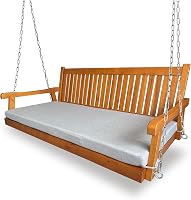
How Long Is a 4 Foot Porch Swing? Facts to Know
On this page (7 sections)
A 4 foot porch swing is typically around 48 inches wide. This measurement usually refers to the seat length, meaning it can comfortably seat two to three people. When you’re looking at porch swings, always check the overall dimensions to be sure about the fit for your space.
Understanding the exact size is key for a perfect fit. A 4-foot swing often balances space-saving design with adequate seating. We found that this size is a popular choice for many homeowners. It’s a good middle ground for both smaller and medium-sized porches.
- A 4 foot porch swing is about 48 inches long.
- It generally seats 2-3 people comfortably.
- Always check the full product dimensions before buying.
- This size is great for many porch sizes.
Let’s break down what those measurements really mean for your porch and your comfort. If you’re interested in a different motion, learn how to convert a porch swing to a glider.
Understanding Your 4 Foot Porch Swing’s True Dimensions
So, you’re eyeing a 4-foot porch swing. That number, 4 feet, usually refers to the seating length. This means it’s roughly 48 inches from one end of the seat to the other. Think of it as the main part where you’ll be relaxing. We found that this size is a popular sweet spot for many homeowners. It’s not too big for a cozy nook but not too small to feel cramped. This common measurement is often a good indicator of overall size, but it’s wise to look deeper.
What “4 Foot” Really Means for Seating
When we talk about a 4-foot swing, it’s like saying you have a 4-foot dining table. It gives you a good idea of the main surface area. For a porch swing, this 48-inch length is designed to comfortably seat two to three people. Imagine a couple cuddling up, or perhaps three friends chatting. You won’t be playing human Tetris! We found that this capacity makes it a versatile choice for many families and social gatherings.
However, the “4 foot” measurement isn’t always the whole story. Different manufacturers might measure slightly differently. Some might refer to the outside armrest to armrest width. Others might mean the length of the frame. It’s like how shoe sizes can vary a bit between brands. To avoid surprises, always check the product specifications carefully. We want your swing to fit perfectly, not just in length but in overall footprint.
Beyond Seat Length: Key Measurements to Check
A porch swing isn’t just about the seat. You need to consider its entire presence on your porch. Several other dimensions are important for proper fit and comfort. Let’s break down what else you should be looking for. Ignoring these details can lead to a swing that’s either too large, too small, or just awkward for your space. We want your porch to feel like a sanctuary, not a puzzle.
Overall Width: Armrest to Armrest
The overall width is a crucial measurement. This is typically wider than the seat length because it includes the armrests. For a 4-foot (48-inch) seat swing, the overall width might be anywhere from 50 to 55 inches. Why the difference? It depends on how wide the armrests are designed. Wider armrests offer more comfort and a more substantial look. Narrower ones can make the swing feel a bit more compact. Always check this number to ensure it fits between porch posts or alongside other outdoor furniture.
Depth of the Seat: For True Comfort
Don’t forget about the depth of the seat. This is how far the seat extends from the backrest to the front edge. A standard seat depth for a comfortable porch swing is usually between Don’t forget about the seat depth for comfort; our guide explains what to look for.18 and 22 inches. If the seat is too shallow, your legs might feel unsupported. If it’s too deep, shorter individuals might struggle to sit comfortably with their feet flat on the floor. We found that a depth of around 20 inches is often ideal for most people.
Height Matters: Seat Height and Backrest Height
The height of the swing also plays a role. There are two main height measurements to consider: the seat height from the ground and the height of the backrest. Seat height typically ranges from 18 to 25 inches. This needs to be comfortable for getting on and off. You don’t want to feel like you’re climbing into a throne or sinking too low. The backrest height, usually around 16 to 20 inches, provides support for your back.
Ensuring Easy Entry and Exit
Think about how you’ll use the swing. If you or guests have mobility concerns, a seat height that’s too low can be challenging. Ideally, the seat height should allow your feet to rest comfortably on the ground or on a small footrest. We found that most residential porch swings aim for a height that accommodates a wide range of users. Always consider the height of your porch floor too. If your porch is raised, this affects the total seat height from the ground.
The Swing’s Depth: How Far it Extends from the Wall/Support
Finally, consider the overall depth of the swing. This is how far the entire unit sticks out from where it’s mounted or supported. This measurement is often overlooked but is vital for pathway clearance. You don’t want people constantly bumping into the swing as they walk by. A typical swing depth might be around 25 to 30 inches. This ensures there’s enough space for the swing to move slightly without encroaching on walkways.
Comparing 4 Foot Swings to Other Common Sizes
Knowing the typical dimensions of a 4-foot swing helps put it in perspective. Understanding how it compares to other popular sizes can help you make the best choice for your porch. It’s like choosing between a 2-seater and a 4-seater car – each has its own purpose. We looked at common sizes and found some clear distinctions.
The Compact 3 Foot Swing
A 3-foot swing is typically around 36 inches in seat length. This size is great for very small porches or balconies. It’s usually designed for one to two people at most. The overall width might be closer to 40 inches. If space is extremely limited, a 3-foot swing can be a good option. However, it can feel a bit snug even for two adults. We found that many people prefer a bit more room, which is where the 4-foot size shines.
The Larger 5 Foot Swing
Stepping up, a 5-foot swing is about 60 inches in seat length. This size is perfect for larger porches or those who love to spread out. It can comfortably seat three to four people. The overall width might reach 65 inches or more. These swings have a more substantial presence and require more space. If you have a large outdoor entertaining area, a 5-foot swing can be a wonderful centerpiece. But for average-sized porches, it can simply be too much swing.
The Generous 6 Foot Swing
The largest common size is the 6-foot swing, around 72 inches long. These are for expansive patios or large wrap-around porches. They can seat four or more people and often have a grand, statement-making appearance. However, a 6-foot swing needs significant space. We found that anything over 60 inches in seat length can start to feel overwhelming on standard-sized residential porches. It’s crucial to measure your space accurately before considering such a large swing.
| Seat Length (Feet) | Seat Length (Inches) | Typical Seating | Approx. Overall Width (Inches) | Approx. Seat Depth (Inches) |
|---|---|---|---|---|
| 3 | 36″ | 1-2 people | ~40″ | ~18″-20″ |
| 4 | 48″ | 2-3 people | ~50″-55″ | ~18″-22″ |
| 5 | 60″ | 3-4 people | ~65″+ | ~20″-24″ |
| 6 | 72″ | 4+ people | ~75″+ | ~22″-26″ |
Note: These are general guidelines. Actual dimensions can vary by manufacturer and design. Always check specific product details.
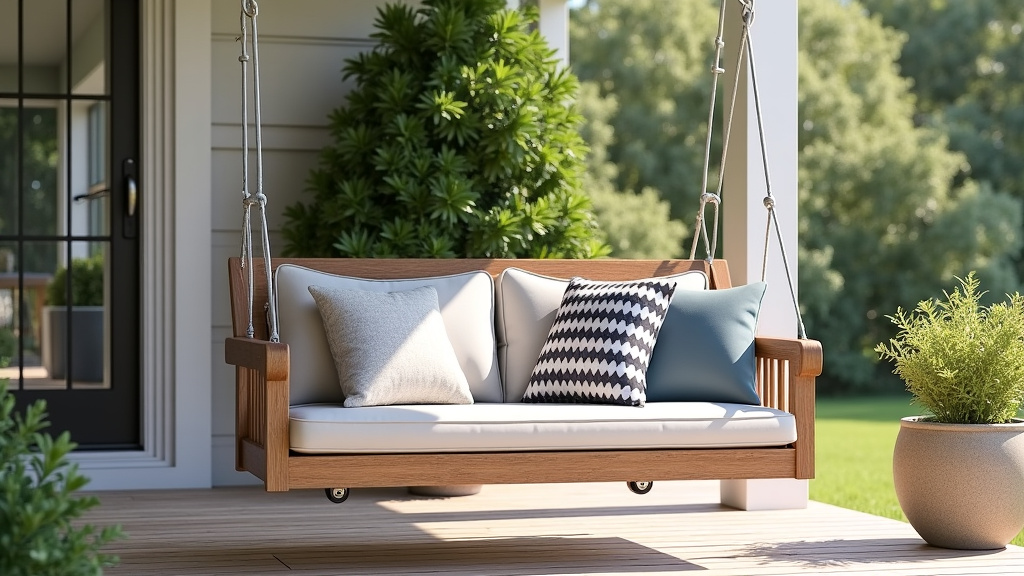
Factors Affecting Your Porch Swing’s Fit
Choosing the right porch swing isn’t just about the number of feet. Several other factors influence whether a swing will truly fit and function well on your porch. Think of it as preparing your porch for its new star resident. We’ve seen many homeowners overlook these small but mighty details.
Porch Size and Layout
Your porch dimensions are the most critical factor. For a step-by-step fit check, see our guide to measuring for a porch swing. A 4-foot swing might be perfect for a 6-foot wide porch, but too large for a 4-foot wide porch. Measure the available length, width, and depth. Consider where you’ll hang the swing. Will it be from a solid beam, a specialized swing stand, or a porch ceiling? Ensure there’s enough clearance around the swing for comfortable movement and passage. Many experts recommend at least 18-24 inches of clearance on either side of the swing (CDC recommendations for accessibility often highlight similar clearance needs).
Swing Style and Design
Different swing styles have different footprints. A heavily ornate swing might have wider armrests or a bulkier frame than a sleek, modern design. Some swings are designed to hang closer to the wall, while others need more space to swing freely. A swing with a deep backrest will also have a larger overall depth. Always look at the detailed product dimensions provided by the seller.
Hanging Hardware and Clearance
The hardware used to hang your swing can add to its overall footprint. Chains, ropes, or specialized brackets all take up space. Ensure that the hanging mechanism allows the swing to move without hitting walls, railings, or any other obstacles. If you’re hanging from a ceiling or beam, make sure it’s strong enough to support the weight of the swing and its occupants. We found that adequate clearance is key to both safety and enjoyment.
A Quick Checklist for Your Porch Swing Purchase
Before you click “add to cart,” take a moment to review these points. This simple checklist can help ensure you’re making the right choice for your space and your comfort. We believe a little preparation goes a long way!
- Measure your porch space carefully.
- Check the swing’s seat length (your 4-foot goal).
- Verify the overall width (seat + armrests).
- Note the seat depth for comfort.
- Confirm seat height for easy entry/exit.
- Ensure ample clearance for swinging.
Conclusion
You’ve learned that a 4-foot porch swing is typically 48 inches in seat length, comfortably seating two to three people. Remember that the “4-foot” measurement is just the starting point. Always check the overall width, seat depth, and height to ensure a perfect fit for your porch. Considering the swing’s style and your porch layout is also key. Now you’re ready to measure your space and find the porch swing that will bring you years of relaxation and enjoyment.
Frequently Asked Questions
What is the actual size of a 4-foot porch swing?
A 4-foot porch swing generally means the seat is 48 inches long. However, the overall width, including armrests, is usually wider, often around 50 to 55 inches. We found it’s wise to check the manufacturer’s specific dimensions for exact measurements.
Can three adults comfortably fit on a 4-foot porch swing?
Typically, a 4-foot swing is designed to seat two to three adults comfortably. If you have three larger adults, it might feel a bit snug. We recommend checking the seat depth and overall width to gauge seating comfort for your group.
Is a 4-foot swing too big for a small porch?
A 4-foot swing is often a good middle ground for small to medium porches. If your porch is very narrow, even 48 inches of seat length might feel dominant. We suggest measuring your available width and ensuring at least 18-24 inches of clearance on each side for comfortable swinging.
Does “4 foot” refer to the total length or just the seat?
The “4 foot” measurement almost always refers to the seat length itself. The overall width, which includes armrests and the frame, will be slightly larger. We found that many people overlook this distinction, so it’s important to look at all the dimensions provided.
How much clearance do I need around a 4-foot porch swing?
You’ll want at least 18 to 24 inches of clear space on either side of the swing for safe passage and comfortable movement. The swing’s overall depth also needs consideration to avoid it protruding too far into walkways. We found this clearance is essential for both safety and enjoyment.