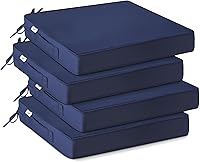
9 Best Foam for Outdoor Cushions (November 2026)
The best outdoor cushion foam include the GoTo Foam 1" Height x 24" Width for thin outdoor cushion inserts, the Foamma 4” x 24” x 24” for thick patio seats, and the AK Trading CO. AK-Trading Upholstery High Density for long cushion slabs.
On this page (4 sections)
The best foam for outdoor cushions is the Foamma 4 x 24 x 24 in slab for thick patio seats, while the GoTo Foam 1 in slab suits low-profile covers and FOAMYFOAM is a strong middle choice for 3 in cushions. Measure your cover before choosing a replacement slab.
Foam is the part you usually feel, even when the cover looks fine on the outside. A flattened insert can make a chair feel hard, uneven or uncomfortable after a few minutes.
Replacement foam lets you keep a good outdoor cover while replacing a flattened insert. That is often simpler than buying a whole new cushion, especially when the fabric, piping and zipper are still in good shape.
The right choice depends on thickness, firmness, slab size and how well you can protect the foam from moisture. Those four points matter more than a general label such as high density on its own.
Start with the inside depth of your cover. A slab that is too thick can strain the zipper and seams, while a slab that is too thin can leave loose corners and a soft, sagging seat.
Then look at firmness. A rating such as 44 ILD signals firmer support, while 30 ILD points to lighter support in a thin pad.
Slab size matters next. A long 72 in piece can be cut into several smaller inserts, while a square 24 x 24 in piece can suit a single patio seat without extra cutting.
Moisture planning is also important outdoors. Most upholstery foam in this roundup is not quick-dry foam, so the cover and storage spot need to do much of the protective work.
Think about who will use the cushion each day and where it sits. A dining chair used at every meal needs steady support, while a covered patio, a sunny poolside chair and an open swing face different amounts of sun, spray and rain.
Use our guide to outdoor cushions for cover materials, shapes and care. That background can help you decide whether your existing cover is worth saving before you order foam.
If you are making a new cover, our guide on how to make outdoor cushions explains the project from measurement through fitting. You can measure the cover first, then match the foam to the finished inside space rather than guessing from the old insert.
Measure the empty cover from seam to seam in length, width and depth. Write those numbers down before you compare any slab, because compressed foam often looks shorter or thinner than it was when new.
If the old foam is badly crumbled, torn or permanently dented, use the cover as your guide instead of the old piece. The foam should fill the cover without forcing it closed.
Let any compressed foam expand fully before you measure or cut it. Compressed foam can need a day or more to reach its full thickness and shape, and early cutting can lead to a poor fit.
For a set of cushions, measure each cover separately. Covers that look alike can differ by a small amount at the seams, and that difference can matter when you close a zipper.
Keep the goal simple. Pick the thickness your cover was built for, choose a firmness that suits daily sitting, and protect the foam so it can keep its shape for longer.
Our picks at a glance
-
1
 Best for thin outdoor cushion inserts
GoTo Foam 1" Height x 24" Width
9.7/10 our score
See it on Amazon -
2

-
3
 Best for long cushion slabs
AK Trading CO. AK-Trading Upholstery High Density
9.4/10 our score
See it on Amazon
- 4
 Check it
FOAMYFOAM High Density 3 inch Thick
Best for standard 3 inch covers - 5
 Check it
FoammaUSA 2" x 20" x 20" High-Density
Best for small cushion sets - 6
 Check it
Jecqbor Upholstery Foam Cushion
Best for lighter support - 7
 Best for firm 2 inch paddingCheck it
- 8
 Best for layered cushion repairCheck it
- 9
 Check it
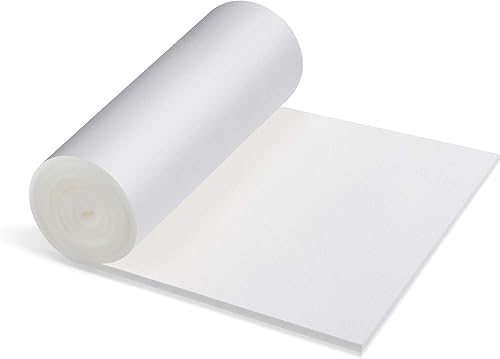
Patelai High Density Foam Padding for Cushions
Best for very thin cushion layers
The best foam for outdoor cushions by project
The best foam for outdoor cushions is the one that fills your cover without forcing the seams or leaving loose corners. Choose the thickness first, then compare firmness and slab dimensions.
Thickness sets the basic fit, so it should come before color, packaging or general product claims. A cover with a shallow pocket needs a thin slab, while a deep cover needs foam with enough height to hold its shape.
Firmness comes next because it shapes how the seat feels under pressure. Two slabs of the same thickness can sit very differently if one has a 30 ILD rating and the other has a 44 ILD rating.
Slab dimensions then decide how much cutting you will need to do. A long piece gives you layout options, while a square piece may already match a single seat.
We compared the stated sizes, materials, firmness ratings and intended uses. Our score weighs specs, features and buyer feedback against the needs of outdoor cushion replacement.
That comparison helps narrow the list, but your cover measurements should make the final decision. A lower ranked slab can still be right if its thickness and size match your project.
Use the picks as sorted options for different cover depths and shapes. Then let the inside measurements of your own cushion confirm the choice before you order.
| Product | Best for | Size | Firmness | Material | Our score |
|---|---|---|---|---|---|
| GoTo Foam 1" Height x 24" Width | thin outdoor cushion inserts | 1 x 24 x 72 in | 44 ILD, firm | Polyurethane | 9.7 |
| Foamma 4” x 24” x 24” | thick patio seats | 4 x 24 x 24 in | 44 lb compression rate | 9.6 | |
| AK Trading CO. AK-Trading Upholstery High Density | long cushion slabs | 4 x 24 x 72 in | 44 lb compression rate | 9.4 | |
| FOAMYFOAM High Density 3 inch Thick | standard 3 inch covers | 3 x 24 x 72 in | 44 ILD | 9.2 | |
| FoammaUSA 2" x 20" x 20" High-Density | small cushion sets | 2 x 20 x 20 in per piece | Extra firm, medium | 9.0 | |
| Jecqbor Upholstery Foam Cushion | lighter support | 1 x 24 x 72 in | 30 ILD | 8.7 | |
| GoTo Foam 2" x 24" x 72" | firm 2 inch padding | 2 x 24 x 72 in | 44 ILD, firm | Open-cell polyurethane | 8.5 |
| Aqzuxira Upholstery Foam | layered cushion repair | 1 x 24 x 72 in | 8.2 | ||
| Patelai High Density Foam Padding for Cushions | very thin cushion layers | 0.4 x 16 x 79 in | Firm | Sponge | 8.0 |
GoTo Foam 1" Height x 24" Width: Best for thin outdoor cushion inserts
- 1 x 24 x 72 in
- 44 ILD firm compression
- 1.79 density
- Polyurethane foam
This long, thin slab suits low-profile cushion covers and projects that need foam trimmed to shape. Its 44 ILD firmness gives a clear support level for seat repairs.
Pros
- Long 72 in slab
- Firm 44 ILD rating
- Made in the USA
Cons
- Only 1 in thick
- Not a quick-dry foam
GoTo Foam is the top choice for a thin outdoor cushion insert. The slab measures 1 x 24 x 72 in, so it works when your cover has limited depth or when you need a long piece to cut into smaller shapes.
Its 44 ILD compression rating describes a firm feel. The 1.79 density gives you another measure to consider when comparing durability, since density and firmness describe different things.
The polyurethane foam is made in the USA, CertiPUR certified and latex free. It has no fire retardant chemicals added, according to the product details.
Keep white foam away from direct sunlight if you want to reduce yellowing over time.
This is not a quick-dry foam, so use a water-resistant cover and avoid leaving the insert exposed to rain. Choose it when a 1 in profile matters more than deep cushioning.
Foamma 4” x 24” x 24”: Best for thick patio seats
- 4 x 24 x 24 in
- 1.8 density
- 44 lb compression rate
- Cover not included
The 4 in square slab gives deep support for patio furniture, bench cushions and swing cushions. Foamma also offers custom cutting for projects that need a different shape.
Pros
- Useful 4 in thickness
- Square format is easy to measure
- CertiPUR-US certified
Cons
- Cover not included
- Only one piece
Foamma is the best fit for a thick patio seat with a square cover. Its 4 x 24 x 24 in size gives a substantial cushion base for patio furniture, benches, swings and lounge chairs.
The foam has 1.8 density and a 44 lb compression rate. Foamma describes it as firm, and the product is made in the USA with CertiPUR-US certification.
This is one piece, and the cover is not included. Measure the empty cover from seam to seam before ordering, especially if the old insert has compressed and no longer shows the original depth.
Foamma also offers custom cutting for shapes such as rounds and stars. That makes it useful when a standard square does not match your cover.
Choose this pick for deep support in a compact cover, and pair it with a cover that can keep rain away from the foam.
AK Trading CO. AK-Trading Upholstery High Density: Best for long cushion slabs
- 4 x 24 x 72 in
- 1.8 density
- 44 lb compression rate
- 100% recovery rate
This 72 in slab suits several cushion projects or one long bench cover. Its 4 in thickness works when your cover has enough depth for a substantial seat.
Pros
- Long 72 in format
- 4 in thickness
- CertiPUR-US certified
Cons
- Indoor usage is specified
- Needs careful cover measurement
AK Trading suits a long bench cushion or several smaller cushion projects. The 4 x 24 x 72 in slab gives you a full 6 ft length to measure and cut.
Its 1.8 density, 44 lb compression rate and 100% recovery rate point to firm, resilient upholstery support. The polyurethane foam is CertiPUR-US certified and made in the USA.
The 4 in thickness needs a cover with enough internal depth. If your cover is only 2 or 3 in deep, this slab may crowd the corners and put extra strain on the zipper or seams.
The stated indoor usage means you should plan protection for an outdoor application. Use a water-resistant cover, keep the insert from standing in water and allow ventilation after wet weather.
Choose AK Trading when the long format reduces waste across a large cushion project.
FOAMYFOAM High Density 3 inch Thick: Best for standard 3 inch covers
- 3 x 24 x 72 in
- 1.8 density
- 44 ILD compression rating
- One foam piece
This 3 in slab is a practical middle ground for many outdoor cushion covers. The 24 x 72 in footprint gives you room to cut several smaller pieces.
Pros
- Common 3 in thickness
- Long slab for cutting
- Made in the USA
Cons
- Requires decompression time
- No cover included
FOAMYFOAM is the best choice for a common 3 in cushion cover. Its 3 x 24 x 72 in slab fits a long bench project or can be cut into several smaller inserts.
The foam has 1.8 density and a 44 ILD compression rating. That combination gives you a clear comparison point against the 30 ILD Jecqbor slab and the 44 ILD firm options in this roundup.
You receive one piece of white upholstery foam. It is made in the USA, and the foam is packaged compressed, so lay it flat for 2 to 3 days before final measuring and cutting.
Use a sharp blade and make several light passes rather than trying to force one deep cut. This pick works well when your cover is close to 3 in deep and you want a long slab with room for careful layout.
FoammaUSA 2" x 20" x 20" High-Density: Best for small cushion sets
- 2 x 20 x 20 in pieces
- 4-pack
- 1.8 density
- Indoor and outdoor usage
Four matching square pieces make this useful for several small chair cushions or a coordinated repair. Each piece is narrower than the long slabs, so measure compact covers carefully.
Pros
- Four pieces in one pack
- Useful 20 x 20 in footprint
- Indoor and outdoor usage
Cons
- Only 2 in thick
- Not one continuous slab
FoammaUSA is the best fit for several small chair or seat cushions. The pack contains 4 pieces, each measuring 2 x 20 x 20 in, so matching repairs are easier than cutting one long slab into separate squares.
The foam is described as high density with 1.8 density and firm support. It is marked for indoor and outdoor usage, and it is CertiPUR-US certified.
The square format is also the main limitation. A 20 x 20 in piece will not fill a wider bench cover, and the 2 in thickness will not match a deep 4 in cushion without adding another layer.
Measure every cover even when the cushions look identical. Small differences in seams and corners can affect the fit.
Choose this pack when you need four compact pieces and want a consistent 2 in replacement thickness.
Jecqbor Upholstery Foam Cushion: Best for lighter support
- 1 x 24 x 72 in
- 30 ILD compression
- 1.87 lb/ft3 density
- Compressed roll packaging
The 30 ILD rating gives this thin slab a lighter feel than the 44 ILD options. Choose it when your cover needs a softer support layer rather than a firm seat base.
Pros
- Long 72 in slab
- Lower 30 ILD rating
- Easy to trim
Cons
- Only 1 in thick
- Indoor usage is specified
Jecqbor is the best choice for lighter support in a thin cushion. The foam measures 1 x 24 x 72 in and has a 30 ILD compression rating, which is lower than the 44 ILD slabs in this group.
Its 1.87 lb/ft3 density gives useful durability information, while the 30 ILD rating describes the softer support feel. The foam can be trimmed for patio cushions, bench cushions and other custom shapes.
Jecqbor uses compressed roll packaging. Let it expand for 24 to 48 hours in a ventilated area before measuring, cutting or placing it inside the cover.
The product is marked for indoor usage, so an outdoor project needs a cover that limits water exposure. Choose Jecqbor when you want a long 1 in slab with a lighter feel, not when you need a deep, firm patio seat.
GoTo Foam 2" x 24" x 72": Best for firm 2 inch padding
- 2 x 24 x 72 in
- 1.8 density
- 44 ILD firm rating
- Open-cell polyurethane
This black foam sheet fits covers that need 2 in of firm support. Its long format works for bench pads and cut-to-fit projects where a square insert is too small.
Pros
- 2 in thickness
- Firm 44 ILD rating
- Cuts with a knife or blade
Cons
- Not a quick-dry foam
- Black color may show through light covers
GoTo Foam is the best option for firm 2 in padding. The black open-cell polyurethane sheet measures 2 x 24 x 72 in and has 1.8 density with a firm 44 ILD rating.
The long sheet works for a bench pad or several cut pieces. It can be cut with a knife or blade, which helps when the cover has angled corners or a shape that is not rectangular.
The black color may matter if your outdoor cover is light or has thin fabric. Check the finished cover before inserting the foam so the color does not show through.
This is standard upholstery foam rather than a quick-dry insert. Keep it inside a protective cover and avoid storing the cushion where water can collect.
Choose it when 2 in thickness and firm support are the main requirements.
Aqzuxira Upholstery Foam: Best for layered cushion repair
- 1 x 24 x 72 in
- 0.4 in memory foam layer
- 0.6 in foam support layer
- Can be trimmed
This layered pad combines a thin memory foam surface with a foam support layer. It can help add volume to a cushion cover, but its lack of water resistance matters for exposed outdoor seating.
Pros
- Two-layer construction
- 1 in total thickness
- Cut-to-size format
Cons
- Not water resistant
- Memory foam may not suit every outdoor cover
Aqzuxira is the best fit for layered cushion repair, not for an exposed wet cushion. The pad measures 1 x 24 x 72 in and combines a 0.4 in blue memory foam layer with a 0.6 in foam support layer.
The memory foam is described as slow rebound with gradual pressure release. That layered construction can add volume to a flattened cover, but it does not make the pad water resistant.
Aqzuxira is marked not water resistant, so use it only inside a cover that limits moisture. It arrives vacuum compressed and should expand in a ventilated area for about 48 hours before use.
You can trim the pad to fit a particular shape. Choose it when a thin layered feel is useful, and skip it for a cushion that regularly sits uncovered in rain or damp conditions.
Patelai High Density Foam Padding for Cushions: Best for very thin cushion layers
- 0.4 x 16 x 79 in
- Firm foam
- Can be stacked
- One sheet
This very thin sheet works as a small thickness adjustment or layered repair. Its 16 in width is narrower than the other picks, so it suits slim covers and narrow sections.
Pros
- Very thin 0.4 in profile
- 79 in length
- Can be stacked
Cons
- Narrow 16 in width
- Indoor usage is specified
Patelai is the best option for a very thin cushion layer or thickness adjustment. The sheet measures 0.4 x 16 x 79 in and is narrower than every other pick here.
Its firm sponge material can be cut with a knife, and multiple sheets can be stacked to add thickness. That makes it useful for correcting a small gap or building a slim insert in layers.
The narrow 16 in width is the main trade-off. Measure the cover carefully before choosing it for a seat, because many outdoor cushions are wider than this sheet.
Patelai is marked for indoor usage, so outdoor use needs a protective cover and careful moisture control. Choose it for thin repairs, narrow pads and layered projects rather than a deep standalone patio cushion.
How to choose foam for outdoor cushion replacement
The best foam for outdoor cushion replacement starts with accurate measurements. Remove the old insert, measure the cover's inside length, width and depth, and write down the measurements before comparing slabs.
Match the foam thickness to the cover
A 1 in slab suits a shallow cover, while 2 to 4 in foam gives more seat depth when the cover is built for it. Do not force a thick slab into a shallow cover because the seams and zipper need room to close.
For a thin adjustment layer, the Patelai 0.4 in sheet can be stacked. For a standard 3 in replacement, FOAMYFOAM is easier to compare because its stated thickness matches the target depth.
Measure the cover first, with the old insert removed. Record the inside length, width and depth, and compare those numbers with the slab size before you cut anything.
Thickness is only part of the fit. A slab that matches the depth can still leave loose corners if its length or width is too small for the cover.
Firmness should match how the cushion is used. A firmer 44 ILD slab can hold a seat shape better for daily sitting, while a 30 ILD slab can suit a thinner pad where lighter support is preferred.
Density gives separate information about the amount of foam material. It should not be read as a direct measure of softness or firmness on its own.
Plan for moisture at the same time. Most upholstery foam needs a cover that sheds rain, plus a place to dry and ventilate after wet weather.
If you plan to cut a long slab, lay out all the pieces on paper first. Mark each cushion size on the foam and leave a small margin for adjustment before you make the first cut.
For square patio seats, a ready sized piece can save work. For benches and swings, a long slab often gives better options for one continuous insert or several smaller pieces.
The best choice is the slab that fills your cover neatly. It should support the seat without buckling, straining the zipper or pushing against the seams.
Compare firmness and density
ILD describes compression force, while density relates to the amount of foam material. The 44 ILD products here are firmer than the 30 ILD Jecqbor option, but density alone does not determine feel.
If you want a firm seat, compare the 44 ILD choices first. If you want lighter support in a thin cushion, Jecqbor's 30 ILD rating gives you a different starting point.
Plan for moisture
Most picks here are upholstery foam, not open-drainage quick-dry foam. A cover that sheds rain, a cushion that can be stood on edge and a dry storage spot all matter.
If water movement is your main concern, compare this roundup with the best quick-dry foam for outdoor cushions. For insert shapes and replacement formats, see our best outdoor cushion inserts guide.
How to cut and fit outdoor cushion foam
Cut outdoor cushion foam only after it has expanded and you have checked the cover measurements. Use a straight edge, mark all sides, and make controlled cuts with a sharp blade.
Compressed foam needs time to recover its thickness before you judge the fit. Measuring too early can make a slab look smaller than it will be after it has rested flat in a ventilated space.
Measure the empty cover from seam to seam in length, width and depth. Write those figures down and mark them on each piece of foam before you start cutting.
A sharp blade with a straight edge helps keep corners square. Make steady, controlled cuts and let the blade do the work rather than forcing it through thick foam.
If you are cutting several pieces from one slab, lay them out first. Space the marks so each cushion gets a full piece and you leave room to trim a side if a measurement is slightly off.
A slightly snug fit can help fill corners, but the foam should not buckle or push hard against the zipper. The cover should close with steady pressure, not with a struggle that bends the foam.
Place the cut foam in the cover gradually, working the corners into place before closing it. Start at one end, ease the foam into the corners and check the shape as you go.
If an edge looks long, trim a little at a time and test the fit again. Small trims are easier to control than one large cut that cannot be undone.
For curved or unusual covers, use the old insert as a rough pattern and compare it with the empty cover. Trace the general outline, then adjust for any corners that the old foam no longer fills well.
Rounded corners need extra care because a square cut can bunch inside the cover. Mark the curve on the foam, cut in small steps and test the piece before you move to the next side.
Our guides to best U-shaped outdoor cushions and best curved replacement outdoor cushions can help when a straight rectangular slab is not enough. Those shapes may need a different layout, or foam cut into sections that follow the curve.
After the cover is closed, sit on the cushion and check the seat. Look for loose corners, hard pressure at the seams or a zipper that feels strained.
If the cushion feels uneven, open it and check whether one side was cut shorter than the other. A small correction at that stage can improve the fit more than adding another layer on top.
Store the finished cushion where it can dry after rain. Standing a wet cushion on its edge in a ventilated spot can help the cover and foam dry more evenly.
Keep the foam inside its cover and avoid leaving the insert exposed while you work. That protects the foam from dirt and moisture while you measure, cut and fit it.
A careful fit takes a little patience, but it pays off each time you sit down. The right slab, cut to the right size, should fill the cover cleanly and keep the seat feeling even.
Final verdict on the best foam for outdoor cushions
The verdict comes down to matching the slab to the cover you already have. Start with the inside length, width and depth of the empty cover, then choose the thickness and firmness that fit those measurements.
Choose Foamma 4 x 24 x 24 in for a thick square patio cushion, FOAMYFOAM 3 x 24 x 72 in for common 3 in covers, and GoTo Foam 1 x 24 x 72 in for thin inserts. Those three picks cover the most common depth choices in this roundup.
Choose the AK Trading slab for a long 4 in project, FoammaUSA for 4 small matching cushions, and Jecqbor when a 30 ILD thin layer suits your cover. Each one solves a different layout problem, so do not treat them as direct substitutes.
For a firm 2 in bench pad, the black GoTo Foam sheet is another practical option. Its long format gives you room to cut several pieces, provided the color will not show through your cover.
For layered repair, the Aqzuxira pad adds a thin memory foam surface over a support layer. It needs a protective cover because it is marked not water resistant.
For a very thin adjustment, the Patelai sheet can be stacked in layers. Its narrow width makes it better for slim covers and small corrections than for a wide patio seat.
Do not choose by density alone. Density and ILD describe different things, and the feel of the seat depends on both the foam rating and the depth of the cover.
Also plan for moisture before you order. Most of these slabs are upholstery foam rather than quick-dry foam, so a shedding cover, good ventilation and dry storage matter in daily use.
Let compressed foam expand fully before you measure or cut it. That simple step can prevent a piece that looked right in the package from fitting poorly in the cover.
For chaise lounge projects, compare the fit with our guide to best Sunbrella outdoor chaise lounge cushions. A long, narrow cushion needs a different layout from a square patio seat or a wide bench.
If your cover is deep and square, start with Foamma. If it is a standard 3 in cover, start with FOAMYFOAM.
If it is shallow, start with the 1 in GoTo Foam slab.
Measure twice, order once, and let the cover make the final call. That approach should give you a cushion that looks right, closes cleanly and feels firm enough for everyday sitting.
Our top 3 picks at a glance
-
1
Best for thin outdoor cushion inserts
GoTo Foam 1" Height x 24" Width
9.7/10 our score
See it on Amazon -
2
-
3
Best for long cushion slabs
AK Trading CO. AK-Trading Upholstery High Density
9.4/10 our score
See it on Amazon
Frequently asked questions
What is the best foam for outdoor cushions?
The best foam for outdoor cushions depends on the cover depth and exposure. Choose a 3 or 4 in polyurethane slab for a substantial seat, such as FOAMYFOAM or Foamma.
For uncovered seating, check water handling carefully because standard upholstery foam is not the same as quick-dry outdoor foam.
How thick should outdoor cushion foam be?
Outdoor cushion foam should match the cover's inside depth, with common seat sizes using about 2 to 4 in of foam. Measure the cover from seam to seam while it is empty, then compare that measurement with the foam thickness and the amount of compression you want.
Is memory foam good for outdoor cushions?
Memory foam can add a softer top layer, but it isn't automatically the best choice outdoors. Aqzuxira combines 0.4 in of memory foam with a 0.6 in support layer and is marked not water resistant, so protect it from direct moisture.
Can you cut foam for outdoor cushion covers?
Yes, upholstery foam can be cut to fit many outdoor cushion covers. Measure the length, width and depth, mark the foam with a straight edge, and use a sharp blade with controlled cuts.
Let compressed foam fully expand before taking final measurements.
What is the difference between density and ILD?
Density describes how much foam material is used and can help indicate durability. ILD, or compression rating, describes how much force compresses the foam.
A higher density does not automatically mean a firmer cushion, so check both measurements when they are available.