What Is Treated Pine? A Beginner’s Guide
On this page (6 sections)
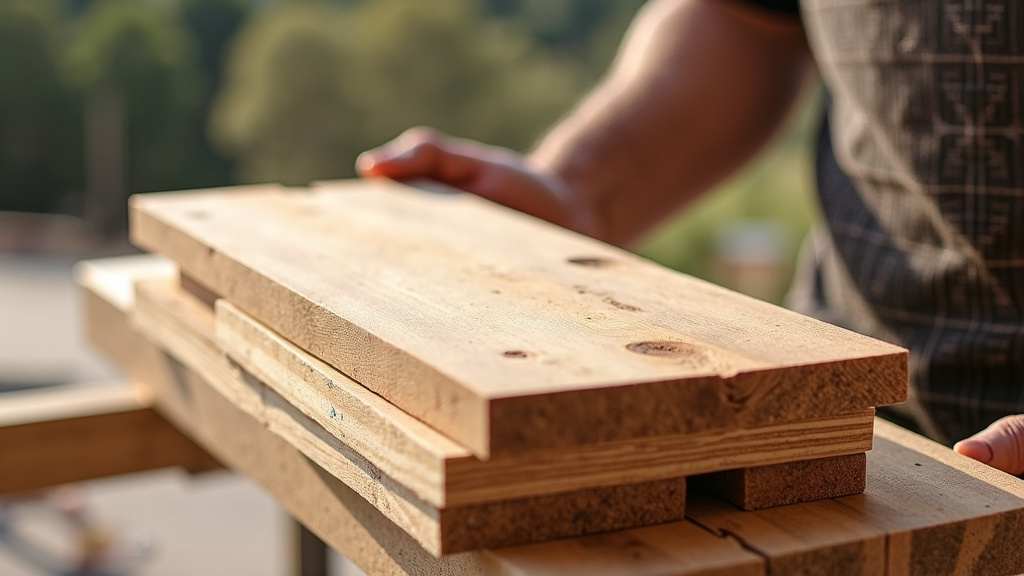
Treated pine is softwood lumber that has been chemically treated to resist decay, fungi, and insects. This makes it a durable and cost-effective choice for outdoor projects like decks, fences, and garden beds. It’s a popular material for DIYers because it’s easier to work with than hardwoods.
You’ll often see treated pine referred to by its treatment process, like pressure-treated wood. The treatment process helps it stand up to the elements, unlike untreated pine which can rot quite quickly outdoors. Think of it as giving the wood a protective shield against moisture and pests, extending its lifespan considerably for your outdoor needs.
- Treated pine is wood chemically treated for longevity.
- It resists rot, fungi, and insects.
- Commonly used for decks, fences, and garden projects.
- It’s an affordable and workable option.
We found that understanding treated pine is key to picking the right materials for your home projects. Let’s break down what makes it special and how you can best use it around your home.
So, you’re looking to build something sturdy outdoors, maybe a new deck or a fence that will last. You’ve probably heard of treated pine, and it’s a popular choice for good reason. Let’s dig a little deeper into what makes this wood so suitable for outdoor living.
Understanding How Pine Wood Gets Treated
Treated pine is essentially softwood lumber that’s been infused with chemicals. This infusion process makes it much tougher against nature’s usual culprits. It’s a way to give pine, which is naturally softer and more prone to damage, a serious boost in durability. Think of it like giving the wood a long-lasting superhero cape.
The primary goal of this treatment is to protect the wood from things that cause it to break down. This includes moisture, which can lead to rot and decay. It also shields the wood from various types of fungi and insects, like termites and carpenter ants, that love to munch on untreated wood.
The Pressure-Treatment Process Explained
Most treated pine you’ll find has undergone a process called pressure treatment. This is a widely used method that really drives the preserving chemicals deep into the wood fibers. It’s more than just a surface coating; it’s an impregnation.
Here’s a simplified look at how it generally works: Wood is loaded into a large, sealed steel cylinder. The air is removed from the cylinder, creating a vacuum. Then, a special solution of preservatives is introduced into the cylinder. High pressure is applied, forcing the preservative deep into the wood. After a set period, the pressure is released, and excess preservative is removed.
Why Pressure Matters
The pressure is key here. It ensures the treatment isn’t just sitting on the surface. Many experts say this deep penetration is what gives pressure-treated wood its long-lasting protection. It reaches the core of the wood, making it resistant to decay and insects throughout its entire structure, not just on the outside.
Common Preservatives Used
Over the years, the types of chemicals used have evolved. Today, you’ll most commonly find wood treated with alkaline copper quaternary (ACQ), copper azole (CA), or micronized copper quaternary (MCQ). These modern treatments are effective and have a better environmental profile than older chemicals.
For instance, older treatments like Chromated Copper Arsenate (CCA) were phased out for residential use in many places due to concerns about arsenic. Many guidelines now focus on the newer copper-based preservatives (Mayo Clinic). These are considered safe for most DIY projects when handled properly.
What Kinds of Pine Are Treated?
Pine is a softwood, meaning it grows relatively quickly. This makes it a more affordable and abundant lumber option compared to hardwoods. For treated lumber, common species include:
- Southern Yellow Pine: Very common in the US, known for its strength and ability to hold preservatives well.
- Lodgepole Pine: Often used in western regions.
- Ponderosa Pine: Another softwood often used for treatment.
The wood is usually kiln-dried after treatment to stabilize it and reduce moisture content. This helps prevent warping and shrinking later on.
Benefits of Using Treated Pine
So, why is treated pine so popular for outdoor projects? It boils down to a few key advantages that make your building projects easier and longer-lasting.
Durability Against the Elements
This is the big one. Untreated wood exposed to the outdoors is practically an open invitation for trouble. Rain, sun, and soil can cause it to rot and break down surprisingly fast. Treated pine, however, is specifically engineered to resist these forces. The preservatives act like a shield.
We found that projects built with treated pine often last for decades. This means fewer repairs and replacements over the years, saving you time and money. It’s a smart investment for anything that will be in contact with moisture or the ground.
Protection from Pests and Fungi
Termites, carpenter ants, powderpost beetles – these are the silent destroyers of unprotected wood. Fungi are equally destructive, causing rot and decay that weakens the structure. The chemicals in treated pine are designed to be toxic to these organisms.
This means you can build with more confidence, knowing your deck, fence posts, or garden planter boxes are less likely to become a bug buffet or a soggy mess. Many consumer safety groups highlight the effectiveness of these treatments for pest control in outdoor structures (Environmental Protection Agency).
Cost-Effectiveness
Compared to many other naturally rot-resistant woods like cedar or redwood, treated pine is generally much more budget-friendly. You get a high level of durability and protection without breaking the bank. This makes it an accessible option for most homeowners and DIY enthusiasts.
For example, a pressure-treated pine 2×6 might cost half as much as a comparable piece of cedar. When you consider the lifespan and reduced maintenance, the long-term value is often excellent. We found that budget is a major factor for many people choosing materials for their outdoor spaces.
Workability and Availability
Pine is a softwood, which means it’s easier to cut, drill, and fasten than hardwoods. This makes DIY projects much more manageable. You won’t need specialized tools to work with it, and most standard fasteners (screws, nails) will work just fine.
Treated pine is also widely available at most lumber yards and home improvement stores. You can usually find it in a variety of standard dimensions, so it’s convenient to pick up what you need for your project.
Common Uses for Treated Pine
Because of its durability and affordability, treated pine is a go-to material for many outdoor applications. You’ll see it everywhere from backyards to public parks. Treated pine is a common material for outdoor furniture, including a single seat porch swing. For a porch-specific look at this wood, see our pine porch swing guide.
Decking and Railings
Treated pine is a classic choice for building decks. It can handle being exposed to the elements, foot traffic, and furniture. It’s often used for the structural joists and beams, as well as the deck boards themselves.
Using treated wood for your deck frame ensures the hidden structure stays strong and rot-free for years. You can then choose to cover it with treated pine deck boards, composite decking, or other materials.
Fencing
Fence posts are perhaps one of the most common uses for treated lumber. Since fence posts are driven into the ground, they are constantly exposed to moisture and soil. Treated pine is ideal for this purpose.
You’ll also find treated pine used for fence rails and pickets. It provides a reliable and long-lasting barrier for your property. Remember to use appropriate post-hole diggers and concrete for proper installation.
Garden Beds and Landscaping
Building raised garden beds is another popular use. The wood needs to withstand constant contact with moist soil and changing temperatures. Treated pine holds up well to this direct ground contact.
You might also see it used for retaining walls, landscape timbers, and retaining planters. Its resistance to rot and decay makes it perfect for these structural landscaping elements.
Patios and Outdoor Structures
Treated pine can be used for the framework of outdoor kitchens, pergolas, and even small sheds. Its strength and resistance to pests make it suitable for the foundational and structural components of these builds.
Some people also use it for outdoor furniture, though it may require sealing or painting for a more finished look and added protection.
Important Considerations When Buying and Using Treated Pine
While treated pine is fantastic for many outdoor projects, there are a few things you should be aware of before and during use.
Understanding Treatment Levels and Ground Contact
Not all treated pine is created equal. The level of treatment varies depending on the intended use. You’ll often see labels indicating different treatment levels, such as:
- Above Ground: Suitable for applications like deck railings or above-ground planters where the wood won’t be in constant contact with soil or water.
- Ground Contact: This has a higher concentration of preservatives and is designed for posts set in the ground or deck joists that might get damp.
- Marine (rare for pine): Even higher treatment for structures in or around water.
It’s really important to choose the right treatment level for your project. Using above-ground rated wood for posts in the ground could lead to premature failure. Many hardware stores will clearly label the appropriate uses for each type of treated lumber.
Handling and Safety Precautions
While modern treatments are considered safer, it’s still a good idea to take precautions. The wood contains chemicals, so direct, prolonged skin contact should be minimized.
We found that wearing gloves when handling treated lumber is a smart move. Also, avoid breathing in sawdust when cutting or sanding it. Always use a dust mask and work in a well-ventilated area.
Sawdust and Disposal
When you cut or sand treated pine, the sawdust is not something you want to inhale. Make sure you have good ventilation and wear a dust mask rated for fine particles. It’s also a good practice to clean up sawdust thoroughly.
As for disposal, many environmental agencies recommend treating treated wood waste as regular construction debris. However, it’s always best to check your local regulations. You generally cannot burn treated wood because the chemicals can release harmful fumes.
Fasteners and Hardware
The copper in the wood preservatives can be corrosive to certain types of metal fasteners. To prevent premature rusting and failure of your hardware, it’s recommended to use corrosion-resistant fasteners.
Look for fasteners specifically labeled for use with treated lumber. This typically means they are hot-dip galvanized with a thick coating of zinc, or made from stainless steel. Using the right hardware will ensure your project stays strong and looks good for years to come.
Finishing and Sealing
Treated pine can be left unfinished, and it will hold up reasonably well. However, applying a water-repellent finish or stain can offer additional protection and enhance its appearance. Many people choose to stain or paint their treated wood decks and fences to match their home’s aesthetic.
If you plan to seal or stain your treated wood, it’s best to let it dry out for a few weeks or even months after purchase. Check the moisture content; it should be below 19% for most finishes to adhere properly. Some manufacturers recommend waiting up to six months before applying a finish.
Here’s a quick checklist to keep in mind for your treated pine projects:
- Always choose the correct treatment level (ground contact vs. above ground).
- Wear gloves and a dust mask when cutting or sanding.
- Use only corrosion-resistant or stainless steel fasteners.
- Clean up sawdust thoroughly.
- Check local disposal guidelines for treated wood.
- Consider sealing or staining after the wood has dried.
Conclusion
You’ve learned that treated pine is a fantastic choice for outdoor projects. Its chemical treatment provides essential protection against rot, insects, and the elements. This makes it a durable and cost-effective material for everything from decks to fences. Remember to always select the correct treatment level for your specific project, use appropriate safety gear when working with it, and choose the right fasteners.
Now that you’re more informed, you can confidently select and use treated pine for your next build. Start planning your project and gather your materials!
Frequently Asked Questions
Is treated pine safe to use in gardens?
Yes, treated pine is generally considered safe for garden beds and planters. Modern treatments like ACQ and CA have lower levels of potentially harmful chemicals compared to older types. We recommend checking with your local authorities for specific guidelines in your area.
How long does treated pine last outdoors?
With proper installation and maintenance, treated pine can last for 10 to 20 years or even longer. Its lifespan depends on the treatment level, ground contact, and exposure to harsh weather conditions. Regular sealing can also extend its life.
Can I paint or stain treated pine?
Absolutely. You can paint or stain treated pine after it has dried sufficiently, usually a few weeks to a month after purchase. Ensure the wood is below 19% moisture content for best adhesion. This will not only improve its appearance but also add another layer of protection.
What’s the difference between ground contact and above ground treated pine?
Ground contact treated pine has a higher concentration of preservatives. This makes it suitable for wood that will be in direct contact with soil or submerged in water, like fence posts. Above ground rated wood is for applications where direct contact is avoided.
Why do I need special fasteners for treated pine?
The copper compounds in treated pine can corrode standard metal fasteners over time. Using hot-dip galvanized or stainless steel screws and nails prevents premature rusting and ensures the structural integrity of your project. This is a small step that makes a big difference in longevity.