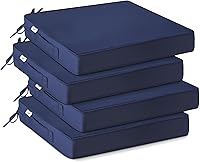
How to Waterproof Outdoor Cushions
To waterproof outdoor cushions, check the care label, choose a compatible fabric protector, and apply it evenly to a clean, dry cover. Let the fabric dry fully before using the cushion, and reapply only as the product directions allow.
On this page (8 sections)
- How do you waterproof outdoor cushions step by step?
- What kind of fabric protector should you choose?
- How should you prepare cushions before spraying?
- How do you apply fabric protector safely and evenly?
- How can you tell if waterproofing worked?
- Does waterproofing protect cushions from every kind of rain?
- How do you care for cushions after waterproofing?
- When should you replace a cushion instead of treating it?
To waterproof outdoor cushions, apply a fabric protector made for the cover material after cleaning and drying the fabric. Work in a well-ventilated area, test a hidden spot, follow the spray label for coverage and drying, and keep cushions sheltered during prolonged rain.
Fabric protector helps a cover resist water; it does not turn every cushion into a sealed, waterproof item. For cushion materials, fit, and care basics, start with our outdoor cushions guide.
How do you waterproof outdoor cushions step by step?
Clean the cover, let it dry fully, test the protector, then apply it evenly as directed. Keep the cushion out of use until the treatment has dried for the full time stated on the label.
- Read the cushion care label and the protector's fabric guidance.
- Remove dirt and stains using a suitable cleaning method.
- Let the cover dry completely, including seams and creases.
- Test the protector on a hidden area and wait for it to dry.
- Apply the product evenly from the recommended distance.
- Allow the stated drying or curing time before putting cushions back outside.
If the cover changes color, texture, or feel during the test, stop and choose another care method. Don't apply a protector to foam or inner filling unless its instructions specifically allow it.
What kind of fabric protector should you choose?
Choose a protector labeled as suitable for the cushion's fabric, and follow both the protector directions and the cushion care label. A spray intended for one material may not suit another.
Check whether the cover is removable before treating the cushion. For replacements, compare outdoor cushion covers that fit your cushion.
If it can be removed, apply the protector to the cover only when its care instructions allow that approach, and keep it away from the filling.
Some cushions are already made with water-resistant fabric or a waterproof backing. For instance, IPYNBAP describes its 19 x 19 x 3 in chair cushions as having a waterproof polyester surface and a TPU layer inside the fabric.
A built-in water-resistant layer may reduce the need for an added spray, but it does not mean the cushion should stay out in heavy rain. Check the care instructions before treating it, since an extra coating may not be suitable for every finish.
How should you prepare cushions before spraying?
Start with a clean, dry cover so the protector can reach the fabric evenly. Dirt, oils, or damp spots can leave the finish uneven.
Use the cleaning method approved for the cover. Our guide on how to keep outdoor cushions clean covers routine care that can help reduce grime before treatment.
Don't rush drying. Check stitching, piping, folds, and zipper areas, where moisture can linger after the surface feels dry.
Can you spray a cushion insert?
Treat only the parts allowed by the spray and cushion care directions. Many sprays are made for fabric surfaces, not for foam or loose fill.
Oubonun's 18 x 18 in throw pillow inserts have polyester covers and are described as waterproof. They are inserts rather than complete decorative pillows, so use a compatible outer cover and check its care instructions separately.
A water-resistant insert does not remove the need to protect the outer pillow cover. Avoid spraying the fill through a cover unless the directions specifically say to do so.
How do you apply fabric protector safely and evenly?
Follow the product label for distance, number of coats, and drying time. Apply a light, even layer rather than soaking one area.
Choose a well-ventilated location away from flames, food, children, and pets. Protect nearby flooring and furniture from overspray, and wear any protective gear the label requires.
Let the first coat dry before deciding whether another is needed. Don't add extra coats simply because the fabric looks dry; the label sets the safe amount and timing.
How can you tell if waterproofing worked?
After the treatment has dried, check a small area with a few drops of water. If the water beads or stays on the surface briefly, the cover may be resisting moisture, but that does not prove the whole cushion is waterproof.
Blot the test area and let it dry. Don't pour water across a cushion or use it as a substitute for checking seams, zippers, or the underside.
If the fabric absorbs water quickly, review whether the protector suits the material and whether it was applied as directed. A worn cover may need repair or replacement instead of repeated treatment.
Does waterproofing protect cushions from every kind of rain?
No, fabric protector is not a substitute for shelter or storage. Wind-driven rain, pooled water, open seams, and prolonged exposure can still wet the cushion or its filling.
Use a fitted cover or move cushions to a dry place when rain is expected. Cushion sets designed for outdoor furniture may offer added resistance: Aegisun describes its 3-piece wicker set as having polyester fabric with TPU backing and water-resistant features.
For a darker porch swing look, compare black porch swing cushions.
Measure the seating area before choosing any replacement set. See our best large outdoor cushions waterproof guide for larger seating options.
How do you care for cushions after waterproofing?
Brush away loose dirt and clean the cover according to its care directions. Avoid harsh cleaners or machine washing unless the cover instructions permit them.
Cleaning can reduce a protector's effect, so check its directions before washing and reapply only as instructed. Our guides explain how to clean outdoor cushions and which waterproof outdoor cushions may suit your furniture.
If a cover can be removed and washed, let it dry fully before putting it back on. Keep cushions off wet furniture and store them dry when you won't use them for a while.
When should you replace a cushion instead of treating it?
Replace or repair a cushion when the cover is torn, seams are open, or the filling stays damp or musty. A surface spray cannot seal damaged stitching or fix a worn fabric layer.
If the issue is poor fit or a slippery seat, a better-matched cushion may help more than another coating. Compare best patio chair cushions, best high back outdoor chair cushions, or learn how to make outdoor cushions for a custom fit.
For sound cushions, choose a protector labeled for the material, test first, and follow the drying directions. For cushions exposed to frequent rain, prioritize covered storage and water-resistant construction alongside any spray treatment.
Frequently asked questions
Can you waterproof outdoor cushions with fabric spray?
A compatible fabric protector can help a cushion cover resist water, but it does not make every fabric fully waterproof. Check the cushion care label and the spray directions, test a hidden area, and apply only as directed to a clean, dry cover.
Should outdoor cushions be wet or dry before waterproofing?
Apply fabric protector to a clean, fully dry cushion cover unless its directions say otherwise. Damp fabric can interfere with even application, and trapped moisture may take longer to dry; let the cushion air out completely before putting it back on the furniture.
How often should you waterproof outdoor cushions?
Follow the protector's label for reapplication, since products and fabrics differ. Rain, cleaning, and regular use can affect water resistance, so inspect the cover and repeat treatment only when the directions allow it.
Does waterproof spray stop outdoor cushions from getting soaked?
No spray should be treated as a guarantee against soaking. A compatible protector may help water bead or resist absorption, but seams, zippers, wear, heavy rain, and prolonged exposure can still let moisture through; bring cushions inside or use fitted storage during bad weather.