What Is a Rocking Porch Swing? Explained
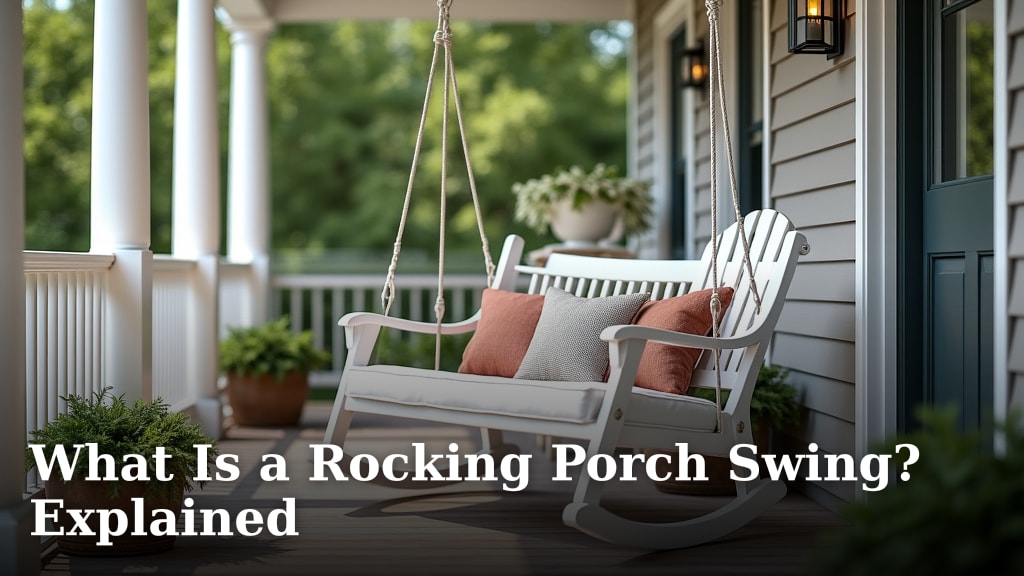
A rocking porch swing is a type of outdoor seating that hangs from a frame or ceiling. It’s designed to gently sway back and forth. Think of it as a comfortable bench that offers a relaxing motion, perfect for enjoying a quiet afternoon. It’s a classic piece of patio furniture for a reason.
These swings come in various styles, from simple wooden designs to more elaborate cushioned ones. Many are built for durability, with materials that can withstand the elements. They are a wonderful way to add both comfort and charm to your outdoor living space. You might find them on patios, decks, or even under a sturdy tree.
- A rocking porch swing is a hanging seat that moves back and forth. A rocking porch swing is a hanging seat that moves back and forth, and you can also find a single seat porch swing.
- They provide a soothing, gentle motion.
- You can find them made from wood, metal, or with cushions.
- They are a popular addition to porches, decks, and patios.
- They add comfort and visual appeal to outdoor areas.
Ready to learn more about these delightful pieces of outdoor furniture? We’ll go over what makes them special and what you should consider if you’re thinking of adding one to your home.
Understanding the Charm of a Rocking Porch Swing
So, what exactly is a rocking porch swing? Imagine a comfortable bench, but instead of sitting flat on the ground, it’s suspended. It hangs from chains or ropes attached to a sturdy overhead support. This could be a dedicated frame, the roof of your porch, or even a strong tree branch. The magic happens when you sit down. You get to enjoy a gentle, rhythmic motion, swaying back and forth. It’s like a rocking chair, but with more space to stretch out and relax. It’s a classic piece for outdoor lounging.
These swings offer a unique blend of comfort and nostalgia. They are designed to evoke a sense of peace and tranquility. Many people find the swaying motion incredibly soothing and stress-relieving. It’s a simple pleasure that can transform your outdoor space into a sanctuary. Think of lazy afternoons with a good book or quiet evenings watching the stars. A rocking porch swing makes these moments even better.
The Anatomy of a Porch Swing
Basic Design and Components
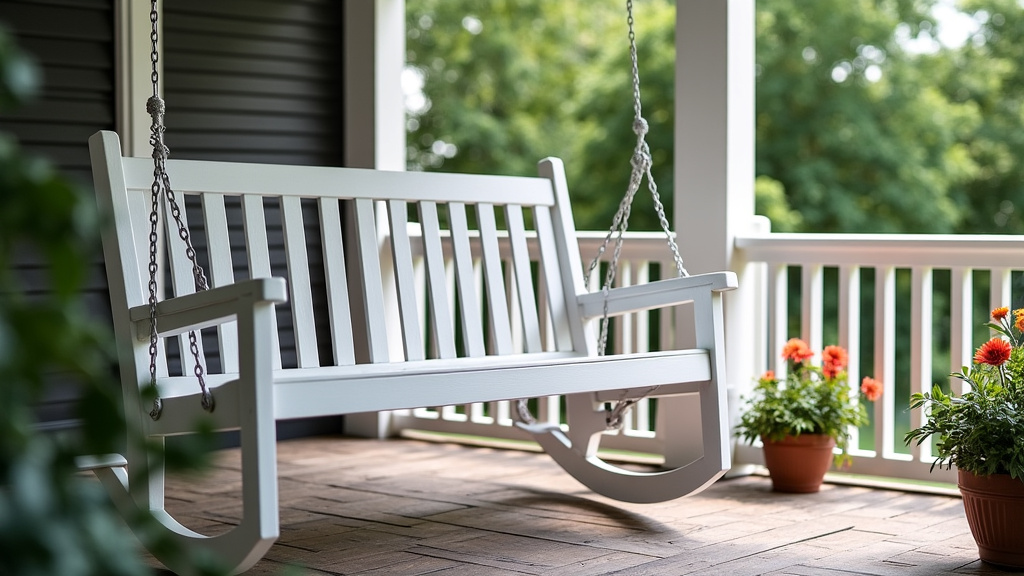
At its core, a rocking porch swing is a seat designed for motion. It usually features a bench-like seat and a backrest. These are connected to a frame or support system by chains, ropes, or cables. The connection points are key. They allow the swing to pivot freely, creating that signature rocking motion. The length of the chains or ropes can influence how much the swing moves.
Many swings also come with armrests for added comfort. These can be simple extensions of the frame or more elaborate, cushioned additions. The overall construction is built for both stability and movement. It needs to hold weight securely while allowing for that gentle sway. The interplay between its solid structure and its fluid motion is what makes it so appealing.
Materials Used in Construction
Porch swings are built from a variety of materials, each with its own look and durability. Wood is a very popular choice. It offers a classic, natural aesthetic. Common woods include cedar, teak, and pine. Cedar and teak are known for their natural resistance to rot and insects, making them great for outdoor use. Pine is more affordable but may require more frequent sealing and maintenance.
Metal is another option, offering a modern or industrial look. Wrought iron and aluminum are frequently used. Wrought iron is heavy and durable, but can rust if not properly treated. Aluminum is lighter and naturally rust-resistant, a practical choice for humid climates. You’ll also find swings made with synthetic materials like resin wicker or recycled plastic. These are often low-maintenance and weather-resistant.
Considerations for Comfort and Durability
Comfort is a big factor when choosing a swing. Some swings have contoured seats and backs for better ergonomic support. Others might be flat benches that are best paired with cushions. Speaking of cushions, many swings come with them, or you can add them separately. Look for outdoor-grade fabrics that can withstand sun and rain. These fabrics are often fade-resistant and quick-drying.
Durability ties directly into the materials used and how the swing is constructed. Check for sturdy joints and hardware. Are the chains or ropes strong enough? Is the frame well-built? For wooden swings, look at the quality of the wood and the finish. For metal swings, ensure there are no signs of rust or weak points. A well-made swing should last for many years, providing reliable enjoyment.
Where Do You Typically Find a Rocking Porch Swing?
Common Placement Areas
The name itself gives a big clue: porches are the most traditional spot. A covered porch offers protection from the elements, extending the usable life of your swing and its cushions. It’s the ideal place for enjoying a gentle breeze on a warm day. Imagine sipping your morning coffee or evening tea while gently swaying.
Beyond traditional porches, you’ll often see these swings on decks and patios. If you have a spacious deck, a swing can become a focal point for outdoor relaxation. On a patio, a sturdy swing frame can anchor a seating area. Some people even hang them from robust, load-bearing beams under a covered patio roof. The key is always a strong, secure overhead support.
Installation and Support Requirements
Installing a rocking porch swing requires careful planning. The most crucial element is a strong overhead support. This support must be able to handle the weight of the swing, plus the weight of the people using it, and the added force of the swinging motion. For porch ceilings, this often means securing the hanging hardware directly into the ceiling joists.
If you’re hanging a swing from a tree branch, you need to ensure the branch is healthy, strong, and thick enough. Tree strap kits are available to protect the tree and provide a secure anchor. Alternatively, you can purchase or build a dedicated swing frame or arbor. These freestanding structures provide a stable support system anywhere in your yard, not just on a porch or deck. Always follow the manufacturer’s installation guidelines carefully for safety.
Benefits of Owning a Rocking Porch Swing
Enhancing Relaxation and Well-being
The gentle rocking motion has been shown to have calming effects. Many people find it helps them unwind after a long day. Research suggests that rhythmic movement can stimulate the release of endorphins, which are natural mood boosters. It’s a simple way to add a daily dose of relaxation to your routine. The motion can be almost hypnotic, helping to clear your mind.
It provides a dedicated space for quiet contemplation or simply enjoying nature. Being outdoors has its own set of health benefits, and a porch swing makes it even more inviting. Fresh air, natural light, and a comfortable seat combine for a truly restorative experience. It encourages you to slow down and appreciate the present moment.
Adding Aesthetic Appeal to Your Home
A rocking porch swing is more than just furniture; it’s an architectural accent. It adds character and charm to the exterior of your home. A well-chosen swing can complement your home’s style, whether it’s rustic, modern, or traditional. It creates a welcoming entry point and signals an invitation to relax and linger.
The visual appeal extends beyond the swing itself. It draws the eye and can make your outdoor space look more inviting and complete. Think of it as adding a beautiful punctuation mark to your home’s outdoor facade. It can make a house feel more like a home, offering a cozy and attractive place to gather or unwind.
Creating a Gathering Space
While often associated with solo relaxation, a porch swing can also be a wonderful place for shared moments. Many swings are large enough to comfortably seat two or even three people. It’s a perfect spot for a casual chat with a friend, a cozy conversation with a partner, or a quiet moment with family. It’s an informal space that encourages connection.
Unlike a formal dining set, a swing encourages a more relaxed pace of interaction. The gentle motion can make conversations flow more easily. It’s an informal social hub that’s always ready for visitors. It makes your outdoor space more functional and enjoyable for everyone.
Choosing the Right Rocking Porch Swing for You
Selecting a swing involves considering your space, your style, and your needs. Think about the size of your porch or deck. You don’t want a swing that overwhelms the space or feels too cramped. Measure the area where you plan to place it, keeping in mind the swing’s length and how much space it needs to move freely.
Your personal style is also important. Do you prefer the warmth of natural wood, the sleekness of metal, or the comfort of cushioned seating? Consider the overall aesthetic of your home and yard. The right swing will blend in beautifully and enhance your outdoor decor. Don’t forget about the functional aspects like comfort and ease of maintenance. Ultimately, you want a swing that you’ll love spending time on.
A Quick Checklist for Your Porch Swing Search
- Measure Your Space: Ensure you have enough room for the swing and its motion.
- Check Support Options: Confirm you have a safe and strong place to hang it.
- Consider Materials: Wood, metal, or synthetic? What fits your climate and style?
- Prioritize Comfort: Think about seat shape and the need for cushions.
- Assess Durability: Look for quality construction and weather-resistant features.
- Match Your Style: Choose a design that complements your home’s look.
Conclusion
You’ve learned that a rocking porch swing is more than just outdoor seating. It’s a way to add comfort, charm, and a touch of relaxation to your home’s exterior. Whether you envision quiet mornings with coffee or cozy evenings with loved ones, the gentle sway can transform your space. We’ve covered the basic design, popular materials like wood and metal, and where to place your swing. Now that you understand what makes these swings special, you’re ready to find the perfect one. Start by measuring your space and considering your personal style to make your outdoor oasis a reality.
Frequently Asked Questions
How much space do I need for a rocking porch swing?
You need enough room for the swing itself, plus adequate clearance for it to sway back and forth without hitting anything. A good rule of thumb is to ensure at least 2-3 feet of clear space in front and behind the swing. Always check the manufacturer’s recommendations for specific spacing needs.
Can I hang a porch swing from a tree?
Yes, you can hang a porch swing from a healthy, sturdy tree branch. It’s essential to use a strong rope or chain and consider using tree straps to protect the bark. Ensure the branch is thick and robust enough to support the weight of the swing and its occupants safely.
What’s the difference between a porch swing and a porch glider?
A porch swing hangs from chains or ropes and moves in an arc, rocking back and forth. A porch glider, on the other hand, moves on a track or base and glides smoothly forward and backward. Both offer a gentle motion, but the movement style is distinct.
Are wooden porch swings hard to maintain?
Maintenance for wooden porch swings depends on the type of wood and the finish. Naturally resistant woods like cedar and teak require less upkeep. Most wooden swings benefit from regular cleaning and an occasional application of sealant or stain to protect them from the elements and preserve their look.
Can porch swings be used year-round?
Whether a porch swing can be used year-round depends on your climate and the materials of the swing. In milder climates, you can often use them throughout the year. In areas with harsh winters, it’s wise to protect your swing from snow, ice, and extreme temperatures by covering it or storing it indoors during the off-season.