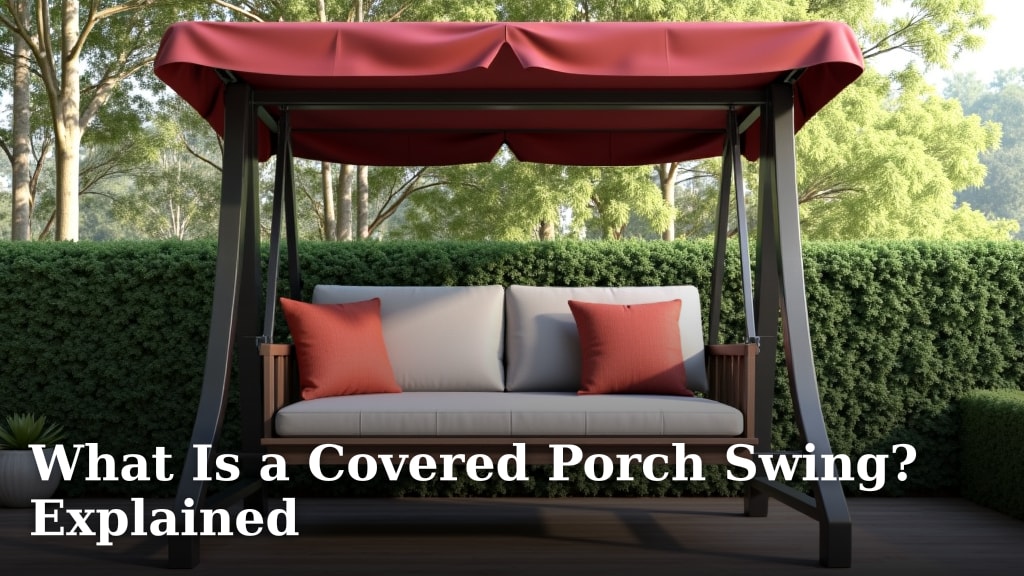
What Is a Covered Porch Swing? Explained
A covered porch swing is a porch swing that is protected by a roof or awning. This roof is either attached to the house or built directly over the swing’s frame. It keeps you dry and shaded while you relax outdoors.
Think of it as your favorite seat with a built-in shelter. You get all the gentle motion and charm of a classic swing. The added cover means you can use it on sunny or drizzly days without worry.
- A covered porch swing has a permanent or attached roof over it.
- It shields you from sun, rain, and falling debris.
- You can find them as freestanding kits or custom-built features.
- They come in many styles, from rustic wood to modern metal.
- This upgrade makes your porch a more usable, year-round space.
Now that you know the basics, let’s look at the specific benefits and features. We’ll walk through everything you should consider before choosing your own covered porch swing.
How a Covered Porch Swing Actually Works
A covered porch swing is your traditional outdoor swing paired with a dedicated roof. This roof is the key difference. It can be part of your home’s porch structure or a separate awning built just for the swing. The main job is simple: keep you dry and shaded while you enjoy a gentle rock.
We found that this design solves a common problem. A regular swing often sits idle during light rain or intense sun. The cover changes the equation. It lets you use your favorite spot more often, turning your porch into a more flexible living area. Think of it as giving your swing its own personal umbrella.
Key Benefits You’ll Actually Notice
Why go through the trouble of adding a roof? The advantages are practical and improve your daily life. It’s not just about staying dry. It’s about comfort, protection, and getting more use from your outdoor space.
Weather Protection and Extended Use
The most obvious benefit is shelter from the elements. A sturdy roof blocks direct sunlight, helping you avoid sunburn on hot afternoons. It also keeps you dry during a passing shower. According to the Skin Cancer Foundation, seeking shade is a primary way to reduce UV exposure (Skin Cancer Foundation). Your covered swing provides that personal shade spot.
Seasonal Comfort
This protection extends your swing season. You’re not limited to perfect, sunny days. A light drizzle or a bright, hot morning becomes enjoyable. Many owners report using their covered swings for a quick morning coffee or an evening read, regardless of minor weather shifts.
Preserving Your Furniture and Materials
The cover doesn’t just protect you. It also shields the swing itself. Constant sun can fade fabric and dry out wood. Rain can warp planks or cause mildew. By providing overhead protection, you reduce this wear and tear. This can mean your swing lasts longer before needing refinishing or cushion replacement.
Creating a Defined, Cozy Space
A roof over your swing helps create an outdoor “room.” It defines the area and makes it feel more intentional and cozy. You can more easily add outdoor rugs, side tables, or lighting to this zone. It becomes a natural gathering point for the family.
Different Types of Covered Swing Setups
Not all covered swings are built the same way. The type of cover and how it’s installed varies. Your choice often depends on your porch style, budget, and whether you’re renting or owning.
Attached Roof or Awning
This is a common permanent solution. The roof is an extension of your home’s existing porch roof. It blends seamlessly with the house architecture. It’s sturdy and typically handled by a contractor. This is a great option if you’re doing a larger porch renovation.
Freestanding Canopy or Pergola
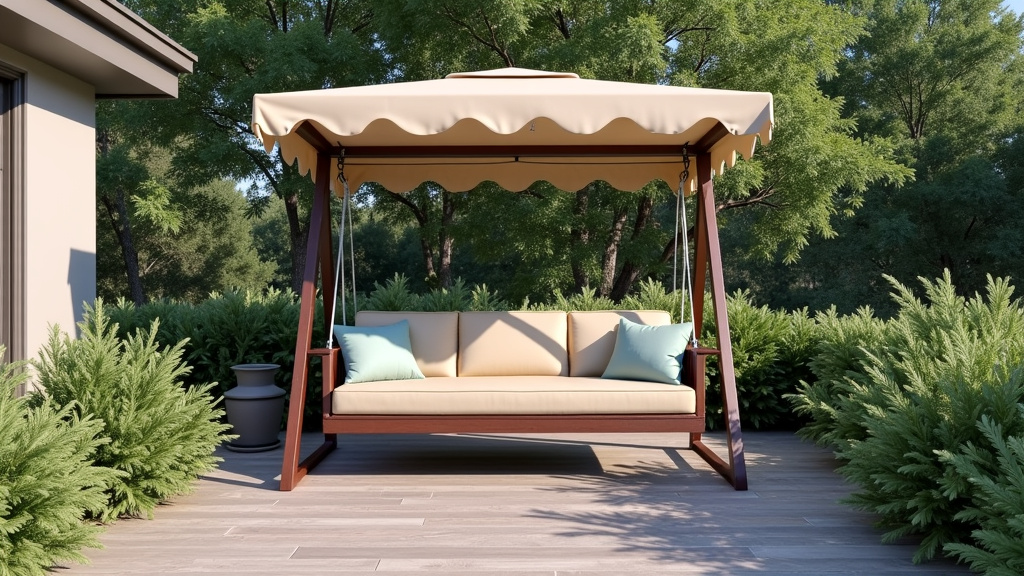
Don’t have a large porch? No problem. A freestanding canopy is a standalone structure. It has its own posts and a roof over the swing. This works on patios, decks, or in a garden spot. You can buy these as kits. They offer flexibility if you might move or want to rearrange your yard.
Attached to a Pergola or Gazebo
You can also integrate a swing into other outdoor structures. Hanging a swing from the beam of a pergola is popular. The pergola’s roof, often with fabric or slats, provides the cover. A gazebo with a solid roof is another perfect home for a swing.
Materials and Build Quality Matter
The longevity of your covered swing depends heavily on the materials used. Both the swing and the cover need to withstand outdoor conditions.
Wood, Metal, or Resin?
Classic wood like cedar or redwood is naturally resistant to decay. It requires periodic sealing. Metal frames are incredibly strong and low-maintenance but can get hot in the sun. Resin or high-density polyethylene (HDPE) is a modern plastic that resists rot and fading.
The Roof Material
The covering itself also varies. Corrugated metal or polycarbonate panels are durable and block UV rays. Canvas or fabric awnings offer a softer look but may need replacing every few years. Asphalt shingles are common on house-attached roofs.
How to Choose the Right Size
Getting the size right ensures comfort and safety. You need to measure carefully before buying.
Swing Dimensions vs. Cover Size
Your cover should be larger than the swing itself. A good rule of thumb is to have at least 12-18 inches of overhang on all sides. This prevents rain from blowing onto the edges of the seat. It also provides better shade as the sun moves.
Considering People and Space
Think about who will use it. A two-seater is standard, but a three-seater offers more room. Always check the weight capacity. Most importantly, measure your porch or patio. Ensure you have enough clearance. You need space for the swing to move without hitting walls, railings, or furniture. For a more compact option, consider a single seat porch swing.
Installation: DIY or Professional Help?
How you install it depends on the type. Some projects are weekend DIY tasks; others require expertise.
For Freestanding Kits
Many freestanding canopy kits are designed for DIY installation. They come with instructions and hardware. You’ll need basic tools like a drill, level, and wrench. It often takes a few hours with a helper. The key is assembling the frame securely and anchoring it properly to prevent tipping.
For Attached or Structural Roofs
If you are tying into your home’s roof or building a large pergola, hiring a professional is smart. This ensures the structure is safe, waterproof, and meets local building codes. A carpenter or general contractor can handle this correctly.
Maintenance Tips to Keep It Lasting
A little regular care keeps your covered swing in top shape. It’s mostly simple outdoor maintenance.
Regular Cleaning
Wipe down the swing and the roof surface regularly. This removes dust, pollen, and bird droppings. Use mild soap and water. For wood, avoid harsh chemicals that can strip the finish.
Seasonal Checks
Twice a year, inspect for wear. Look for loose screws on the frame or swing hangers. Check the roof for cracks or sealant gaps. For fabric awnings, ensure it’s taut and free of mold. Addressing small issues early prevents big repairs later.
Customization and Style
Function is key, but style makes it yours. You can match your home’s aesthetic perfectly.
Matching Your Home
Choose materials and colors that complement your house. A rustic wooden swing under a simple roof suits a cottage style. A sleek black metal swing with a modern canopy fits a contemporary home. Paint the roof or frame to match your trim.
Add-ons for Comfort
Since your swing is protected, you can add nicer touches. Invest in thicker, more comfortable cushions. Hang outdoor curtains from the roof edges for privacy and extra sun control. Add solar-powered string lights to the underside of the roof for evening ambiance. If you want even more comfort, a deep seat porch swing might be ideal.
Your Covered Swing Checklist: What to Verify
Ready to shop? Use this quick checklist to compare options and make a confident choice.
- Measure Twice: Confirm swing width, depth, and your available space with overhang.
- Check Weight Capacity: Ensure the frame and hangers support the intended number of users.
- Material Match: Pick swing and roof materials that suit your climate and maintenance preference.
- Anchor Plan: Decide if you need ground anchors for a freestanding model or wall attachments.
- Review Instructions: For DIY kits, skim the manual to confirm you have the required tools and skills.
| Feature | Freestanding Canopy | Attached Porch Roof |
|---|---|---|
| Ideal Location | Deck, patio, garden | Existing front or back porch |
| Installation | Often DIY-friendly | Usually requires a professional |
| Flexibility | Can be moved or disassembled | Permanent addition to home |
| Cost Range | $300 – $1,500 | $2,000 – $10,000+ |
| Best For | Renters, those wanting flexibility | Homeowners doing a porch upgrade |
A covered porch swing is more than furniture. It’s an upgrade to your home’s outdoor living space. It extends comfort, protects your investment, and creates a reliable spot for relaxation. By considering the type, materials, and installation, you can find the perfect fit for your lifestyle.
Conclusion
A covered porch swing transforms a simple seat into a year-round retreat. You gain consistent shade and shelter, which protects both you and the furniture. This setup extends your outdoor season and defines a cozy, usable space on your porch or patio. Remember, the right choice depends on your space, climate, and how permanent you want the structure to be. A freestanding canopy offers flexibility, while an attached roof provides a seamless upgrade. Your next step is simple: measure your space and decide which type of covered swing best fits your lifestyle.
Frequently Asked Questions
How much does a covered porch swing typically cost?
Costs vary widely based on materials and installation. A freestanding canopy kit with a swing can range from $300 to $1,500. A professionally installed, roofed structure attached to your house can cost $2,000 or more. Always get quotes for your specific project.
Does a covered porch swing require more maintenance than a regular one?
Not necessarily more, but different. The cover itself needs occasional cleaning to prevent mildew on fabric or debris buildup on solid roofs. You’ll also inspect the roof for leaks or damage during seasonal checks, in addition to normal swing upkeep.
Can I install a covered porch swing on a deck?
Yes, a freestanding canopy model is ideal for decks. It doesn’t require attachment to your house. Ensure your deck’s structure can support the combined weight of the frame, swing, and occupants. Check the manufacturer’s guidelines for proper anchoring.
What’s the best roof material for a covered swing?
It depends on your priorities. Corrugated metal or polycarbonate panels are durable and block UV rays. Canvas awnings offer a softer look but may need replacement sooner. Asphalt shingles are a good match if tying into your home’s existing roof.
Do I need to remove cushions from a covered porch swing?
While the cover provides overhead protection, cushions can still be exposed to wind-driven rain, humidity, and dust. We recommend storing them indoors during severe weather or prolonged periods of non-use to prevent mildew and fading.