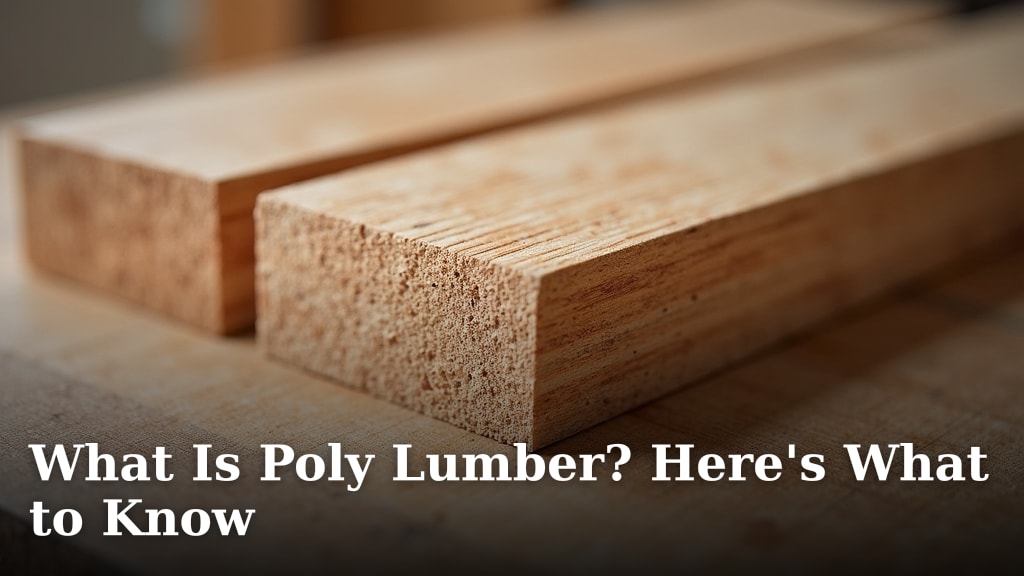
What Is Poly Lumber? Here’s What to Know
Poly lumber is a type of durable plastic lumber made from recycled materials like plastic bottles and bags. It’s a popular choice for outdoor furniture and decking because it’s extremely resistant to the elements. You’ll find it doesn’t rot, crack, or splinter like traditional wood. It’s a fantastic low-maintenance alternative.
Many homeowners and builders prefer poly lumber because it offers long-lasting beauty with very little upkeep. Unlike wood, it won’t absorb moisture, making it resistant to mold and mildew. This makes it a great option for areas that get a lot of rain or are near water. It’s a smart material choice for years of enjoyment.
- Poly lumber is made from recycled plastics.
- It’s highly resistant to weather damage like rot and cracking.
- Poly lumber requires minimal maintenance compared to wood.
- It’s a sustainable and eco-friendly option for outdoor projects.
Ready to learn more about this unique material? Below, we’ll break down exactly what makes poly lumber a standout choice for your home projects.
You’ve heard about poly lumber, but what exactly is it? Think of it as a modern marvel in outdoor building materials. It’s essentially plastic lumber, but not just any plastic. We’re talking about high-quality, durable planks made from recycled plastics. These aren’t flimsy bags; they’re often derived from things like milk jugs, detergent bottles, and even plastic film. It’s a clever way to reuse materials that might otherwise end up in landfills. We found that many manufacturers use a blend of these recycled plastics to create a material that’s built to last. This makes it an eco-friendly choice for your next project.
Understanding Poly Lumber’s Composition and Benefits
Poly lumber is more than just recycled plastic; it’s a specially engineered material. It’s designed to mimic the look and feel of wood but without the common drawbacks. We found that the manufacturing process involves cleaning, shredding, and then melting down these recycled plastics. This melted plastic is then extruded into various shapes and sizes, much like wood is milled. The result is a solid, consistent product that’s ready for outdoor use. It’s a great example of how innovation can lead to smarter, more sustainable building solutions.
What Makes Poly Lumber Different from Traditional Wood?
The primary difference you’ll notice is its resistance to decay and pests. Unlike wood, poly lumber doesn’t absorb moisture. This is a big deal for outdoor projects. Wood can rot when it gets wet, especially in humid climates or areas with frequent rain. Pests like termites and carpenter ants also love to munch on wood. Poly lumber, being plastic, isn’t appetizing to them. We found that this moisture resistance also means it won’t warp, crack, or splinter over time. Your deck boards will stay smooth underfoot year after year.
Key Advantages of Choosing Poly Lumber
Let’s break down why poly lumber is becoming so popular. It offers a combination of durability and low maintenance that’s hard to beat. You get that classic outdoor look without the constant upkeep. This means more time enjoying your patio and less time on repairs.
- Weather Resistance: It stands up to sun, rain, snow, and extreme temperatures without degrading.
- Pest Deterrence: Insects simply don’t find it appealing.
- Low Maintenance: No need for regular staining or sealing. A simple wash is usually all it needs.
- Color Options: It comes in a wide range of colors, often mimicking natural wood tones.
- Longevity: Many manufacturers offer warranties that stretch for decades.
We found that when comparing it to wood, the long-term cost can be lower due to reduced maintenance and replacement needs. It’s an investment that pays off.
The Manufacturing Process: From Bottle to Board
Ever wonder how a plastic bottle becomes a sturdy deck board? It’s quite an interesting transformation. The journey starts with collecting and sorting various types of plastic waste. This is a critical first step to ensure the quality of the final product. We found that manufacturers are often very specific about the types of plastics they use to achieve the best performance.
Recycled Materials at Their Best
Think about all those plastic containers you toss out. Many of them find a new life in poly lumber. We’re talking about items like milk jugs, shampoo bottles, and grocery bags. These are all common sources. The process involves extensive cleaning to remove any contaminants. This ensures the material is pure and ready for processing. This recycling aspect is a major draw for environmentally conscious consumers. It’s a tangible way to contribute to a circular economy.
Extrusion: Shaping the Future of Outdoor Materials
Once the plastics are cleaned and sorted, they are melted down. This molten plastic is then forced through a die. This is called extrusion. The die gives the plastic its final shape, like a plank or a railing component. Imagine squeezing toothpaste from a tube, but on a much larger and industrial scale. This process creates a consistent, solid profile. We found that the specific temperature and pressure used during extrusion are carefully controlled. This ensures the material has the right density and strength. It’s a precise engineering feat.
Poly Lumber vs. Wood: A Side-by-Side Look
When you’re planning an outdoor project, you’ll likely consider both wood and poly lumber. Both have their place, but they behave very differently. Understanding these differences will help you make the best choice for your needs.
Durability and Weather Resistance Compared
Wood, while beautiful, is susceptible to nature’s forces. It can succumb to rot, mold, and mildew when exposed to moisture. Sun exposure can cause it to fade and crack over time. Pests are also a constant concern. Poly lumber, on the other hand, is practically impervious to these issues. We found that its plastic composition means it simply doesn’t absorb water. This makes it incredibly resistant to rot and mold. It also doesn’t splinter, meaning a safer surface for bare feet on your deck or dock.
Maintenance Requirements: Time vs. Money
Wood requires consistent upkeep. You’ll need to clean it, sand it, stain it, and seal it periodically. This can be a significant time commitment and expense over the years. Poly lumber asks for very little. A gentle scrub with soap and water is usually enough to keep it looking fresh. This lack of maintenance is a huge selling point for busy homeowners. We found that many people choose poly lumber specifically to avoid the endless cycle of wood care. It frees up your weekends.
Cost Considerations: Initial vs. Lifetime
Initially, poly lumber can have a higher upfront cost than some types of wood. However, when you look at the lifetime cost, it often becomes more economical. You save on cleaning supplies, stains, sealants, and the cost of replacing rotted or warped boards. We found that many studies suggest the total cost of ownership for poly lumber is lower over a 20-30 year period. It’s a material that proves its worth through its longevity and minimal upkeep.
Here’s a quick comparison to help you visualize:
| Feature | Poly Lumber | Traditional Wood |
|---|---|---|
| Moisture Absorption | None | High |
| Rot/Decay Resistance | Excellent | Poor |
| Pest Resistance | Excellent | Poor |
| Maintenance Needs | Very Low (cleaning) | High (staining, sealing) |
| Splintering | None | Yes |
| Initial Cost | Higher | Lower (variable) |
| Lifetime Cost | Lower | Higher (variable) |
| Environmental Impact | Uses recycled materials | Renewable resource (can be high impact depending on sourcing) |
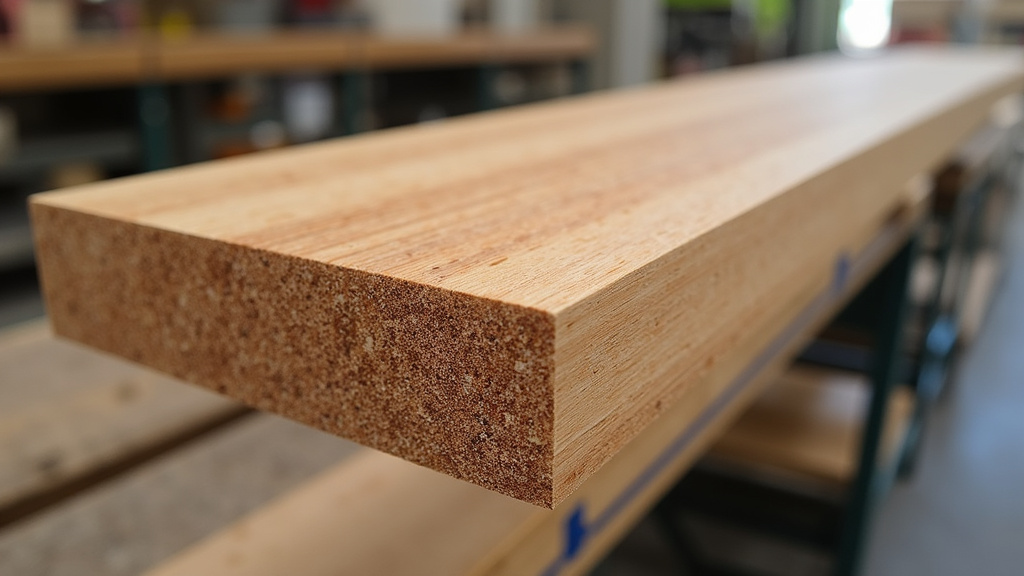
Applications of Poly Lumber in Your Home and Garden
Poly lumber isn’t just for decks anymore. Its versatility means you can find it used in a variety of outdoor applications. Wherever you need durability and low maintenance, poly lumber is a strong contender.
Decking and Railing Systems
This is perhaps the most common use. Poly lumber decking boards are a fantastic alternative to wood. They offer a stable, slip-resistant surface. Railing systems made from poly lumber are equally robust. They won’t rot or splinter, making them safe and long-lasting. We found that homeowners appreciate the wide array of colors and textures available, allowing for custom looks.
Outdoor Furniture and Accessories
Imagine patio furniture that doesn’t need to be brought in during bad weather. Poly lumber chairs, tables, and benches are designed to withstand the elements. They won’t fade drastically, warp, or become uncomfortable to sit on due to moisture. Accessories like planters, fencing, and even outdoor kitchens can benefit from this material. We found that its resistance to mold and mildew also makes it ideal for areas near pools or salt water.
Other Creative Uses
Beyond the usual, poly lumber finds its way into more creative projects. Think about playground equipment, boat docks, and even architectural features. Its ability to be molded and shaped opens up possibilities. We found that marine-grade poly lumber is particularly useful for docks and waterfront structures due to its exceptional water resistance and stability.
Caring for Your Poly Lumber Investment
One of the biggest draws of poly lumber is its minimal maintenance. However, like anything outdoors, a little care will keep it looking its best for years to come.
Here’s a simple checklist for maintaining your poly lumber:
- Regular Cleaning: Wash with mild soap and water a couple of times a year.
- Address Spills Quickly: Food or drink spills are easy to wipe up.
- Remove Debris: Sweep away leaves and dirt to prevent staining.
- Check Fasteners: Ensure any screws or bolts remain secure.
- Avoid Harsh Chemicals: Stick to gentle cleaners; avoid abrasive or solvent-based products.
We found that by following these simple steps, your poly lumber will maintain its attractive appearance and structural integrity for a very long time. It’s designed for durability, making your investment a smart one.
Conclusion
You’ve learned that poly lumber is a smart, sustainable material for your outdoor projects. Its resistance to rot, pests, and weather means less upkeep for you. Think of it as a long-term investment that saves you time and money. By choosing poly lumber, you’re opting for lasting beauty with minimal effort. Ready to transform your outdoor space? Consider poly lumber for your next deck, fence, or furniture build and enjoy years of worry-free enjoyment.
Frequently Asked Questions
How is poly lumber different from composite decking?
Poly lumber is a specific type of plastic lumber, often made entirely from recycled plastics. Composite decking, on the other hand, is typically a blend of wood fibers and plastic. While both are durable, poly lumber focuses on pure plastic content for its strength and resistance.
Can poly lumber fade in the sun?
Poly lumber is designed to resist fading. Manufacturers often add UV inhibitors to the plastic during production. While some slight color change might occur over many years, it’s generally much less prone to fading than wood that hasn’t been treated.
Is poly lumber more expensive than wood upfront?
Yes, poly lumber often has a higher initial purchase price compared to many types of wood. However, when you factor in the reduced need for staining, sealing, and replacement over time, its lifetime cost can be significantly lower.
What’s the best way to clean poly lumber?
Cleaning poly lumber is straightforward. You can typically use a mild soap and water solution with a soft brush or cloth. Avoid using abrasive cleaners or harsh chemicals, as these can potentially damage the surface.
Can poly lumber be recycled at the end of its life?
Yes, many poly lumber products are recyclable. Since they are made from plastic, they can often be processed and turned into new plastic lumber or other plastic goods. Check with your local recycling facilities for their specific guidelines.