9 Best Rope for Porch Swing (November 2026)
The best rope for porch swings include the DEDU Manila Rope 3/4 Inch X for classic porch swing rope, the 9M Stainless Steel Hanger with Smooth Swing for swivel attachment hardware, and the frtzal Jute Rope for thick natural-fiber suspension.
On this page (6 sections)
The best rope for porch swing projects is the DEDU Manila Rope 3/4 Inch X. Its 3/4 in diameter, 100 ft length, 4-strand twisted manila construction and stated 600 lb tensile strength make it the most balanced choice here.
Choose the 9M Stainless Steel Hanger with Smooth Swing when the attachment needs swivel movement, or choose HOKINETY when polyester's moisture, UV and abrasion resistance matter more than a thick natural-fiber look.
A porch swing rope does more than hold a seat. It must fit the swing's connection points, leave enough length for the planned suspension, suit the weather around your porch and work with the beam and hardware above it.
If your setup uses spring attachments, compare heavy-duty porch swing springs.
If you are still planning the installation, start with our guide on how to hang a porch swing. For a packaged hardware solution, compare the best porch swing rope hanging kit.
Our picks at a glance
-
1

-
2
 Best for swivel attachment hardware
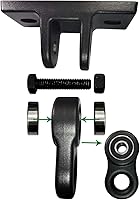
9M Stainless Steel Hanger with Smooth Swing
9.6/10 our score
See it on Amazon -
3
- 4
 Best for medium-length rustic installsCheck it
- 5
 Check it
HOKINETY Double Braided Arborist Rigging Rope
Best for abrasion and wet-weather demands - 6
 Check it
Vanhench Natural Jute Rope Heavy Duty
Best for 1-inch craft-style rope - 7
 Check it
MKMJ Jute Rope 1/2 inch x 100FT
Best for thinner 100-foot runs - 8
 Check it
Roadtofree Natural Hemp Rope 1 Inch x
Best for short rustic projects - 9
 Check it
Koch 5011635 Twisted Polypropylene Rope
Best for water-resistant utility
The best rope for porch swing projects
The best choice depends on the balance you need between natural appearance, strength information, length and outdoor care. DEDU leads for an all-around natural rope, while the other picks cover swivel hardware, thick 1 in rope and synthetic weather resistance.
Our score weighs stated specifications, construction, outdoor traits and fit for a porch swing project.
| Product | Best for | Diameter | Length | Material | Our score |
|---|---|---|---|---|---|
| DEDU Manila Rope 3/4 Inch X | classic porch swing rope | 3/4 in | 100 ft | Manila | 9.7 |
| 9M Stainless Steel Hanger with Smooth Swing | swivel attachment hardware | Stainless steel 304 | 9.6 | ||
| frtzal Jute Rope | thick natural-fiber suspension | 1 in | 100 ft | Jute | 9.6 |
| Glfcai 1 Inch x 50 Ft Hemp | medium-length rustic installs | 1 in | 50 ft | 9.5 | |
| HOKINETY Double Braided Arborist Rigging Rope | abrasion and wet-weather demands | 3/8 in | 100 ft | Polyester | 9.4 |
| Vanhench Natural Jute Rope Heavy Duty | 1-inch craft-style rope | 1 in | 50 ft | Jute | 9.2 |
| MKMJ Jute Rope 1/2 inch x 100FT | thinner 100-foot runs | 1/2 in | 100 ft | Jute | 8.9 |
| Roadtofree Natural Hemp Rope 1 Inch x | short rustic projects | 1 in | 32 ft | Jute | 8.5 |
| Koch 5011635 Twisted Polypropylene Rope | water-resistant utility | 1/2 in | 50 ft | 8.3 |
DEDU Manila Rope 3/4 Inch X: Best for classic porch swing rope
- 3/4 in diameter
- 100 ft length
- 4-strand twisted manila
- Stated 600 lb tensile strength
The 100 ft length gives you room to measure and cut separate suspension runs. Its 3/4 in, 4-strand natural-fiber construction suits buyers who want a traditional porch look.
Pros
- Longest natural-fiber option here
- 4-strand construction
- Stated 600 lb tensile strength
Cons
- Natural fiber needs dry storage when not in use
- Ends can unravel when cut without care
DEDU is the strongest starting point for a traditional porch swing rope. The 3/4 in diameter gives it a substantial look without being as thick as the 1 in options, and the 100 ft length gives you room to measure separate runs or keep spare material for later repairs.
Its 4-strand twisted manila construction is designed for knotting, looping, splicing or cutting. The stated tensile strength is 600 lb, and the rope is described as resistant to temperature, weather and abrasion.
Natural rope needs sensible care. Wrap the area with tape before cutting so the strands do not spread, and tie or secure the cut end.
Store it in a dry, ventilated place when you take the swing down or replace the rope.
The natural fiber is the main trade-off. It gives the porch a classic appearance, but buyers who expect constant wet exposure may prefer polyester or polypropylene.
9M Stainless Steel Hanger with Smooth Swing: Best for swivel attachment hardware
- Stainless steel 304
- 180° and 360° rotation
- 1500 lb stated capacity
- Direct beam, cedar or rafter installation
This is attachment hardware rather than suspension rope, but it solves a common rope problem by adding smooth rotation. The beam still determines the safe setup.
Pros
- Swivel movement
- Stainless steel 304
- Useful with porch swing rope systems
Cons
- Not a rope
- Beam size and capacity still need checking
The 9M hanger is different from the other entries because it is stainless steel attachment hardware, not suspension rope. It belongs in this comparison because a rope system also depends on the connection above the swing.
The hanger uses stainless steel 304 and provides 180° and 360° rotation. Its stated capacity is 1500 lb, but the supporting beam, rafter or cedar structure still limits the complete installation.
This hanger can be used with porch swings, hammock chairs and other hanging equipment named in its product information. Its rotating design may help reduce twisting in a rope or chain connection.
Rotation can make a swing feel smoother during daily use, especially when the seat turns slightly as people get on and off. It also gives you a cleaner way to manage movement than forcing the rope itself to twist at the top.
Check the beam size and condition before installation. Confirm that the beam can carry the swing, the people using it and any dynamic movement from swinging.
If you want to compare a swing that already includes rope-style attachments, see the best porch swing with rope hangers. Keep the hardware and the rope as separate parts when you plan the whole setup, and inspect both before regular use.
frtzal Jute Rope: Best for thick natural-fiber suspension
- 1 in diameter
- 100 ft length
- Twisted jute
- Stated 1000 lb capacity
The 1 in diameter creates a substantial visual and hand feel for large porch swings. Its 100 ft length is useful when you need generous cutting room.
Pros
- Thick 1 in profile
- 100 ft length
- Stated 1000 lb capacity
Cons
- Heavier-looking than 1/2 in rope
- Natural fiber needs outdoor care
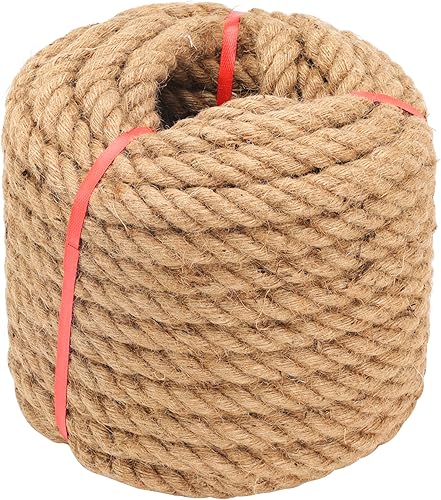
frtzal suits buyers who want the boldest natural-rope appearance in this group. Its 1 in diameter creates a thick visual line around a porch swing, and the 100 ft length provides generous room for measuring and cutting.
The rope is made from twisted jute and has a stated 1000 lb capacity. The natural-fiber construction is also described for outdoor uses such as swing-bed suspensions, camping, docks and landscaping.
A 1 in rope can look excellent on a large wooden swing, but thickness affects attachment fit. Measure the swing's rope holes, eye bolts, knots and hardware before choosing it.
The thick profile also changes how the rope handles in the hand. It can feel substantial when you pull it through a loop or tighten a knot, so plan a little extra patience during the first setup.
The main trade-off is bulk. If your swing has smaller connection points or you want a lighter visual line, the 3/4 in DEDU rope or 1/2 in MKMJ rope may be easier to work with.
For outdoor use, store spare rope in a dry place when the swing is not in use. Inspect the fibers near hardware points over time, because natural rope works best when wear is checked early.
Glfcai 1 Inch x 50 Ft Hemp: Best for medium-length rustic installs
- 1 in diameter
- 50 ft length
- 4-strand twisted hemp
- 900 lb working strength
This 50 ft coil fits a smaller project than the 100 ft natural ropes. The 1 in, 4-strand hemp profile gives a porch swing a thick rustic look.
Pros
- 900 lb working strength
- 4-strand construction
- Shorter coil reduces excess rope
Cons
- Less cutting room than 100 ft options
- Oil treatment can leave an industrial scent at first
Glfcai is a practical choice for a 50 ft project with a 1 in profile. Its 4-strand twisted hemp construction gives the rope a rounded, dense shape, while the stated working strength is 900 lb.
The shorter coil can be useful when you already know the needed length and do not want as much excess material. It is also described for porch swings, landscaping, railings and decor.
Glfcai treats the rope with mineral oil. That treatment is intended to improve resistance to friction and environmental factors, but the rope can have an industrial scent when new.
Air it out in a ventilated area for 3 to 5 days before indoor use. Uncoiling the rope fully during that time helps the scent fade more evenly instead of staying trapped in the middle of the coil.
Wrap the intended cut point with heavy-duty tape before cutting. That keeps the strands together and makes a cleaner end.
That taping step matters with natural rope because loose strands can spread as soon as the cut is made. A clean end is also easier to pass through a loop, tie off or secure with hardware.
HOKINETY Double Braided Arborist Rigging Rope: Best for abrasion and wet-weather demands
- 3/8 in diameter
- 100 ft length
- Double-braided polyester
- Stated 3500 lb breaking strength
The double-braided polyester construction suits buyers who put moisture, UV exposure and abrasion ahead of a thick natural-rope appearance. Its 3/8 in profile is slimmer than most picks here.
Pros
- Polyester resists moisture and UV exposure
- 100 ft length
- Heat-sealed ends
Cons
- Thinner look than 1 in natural rope
- Breaking strength is not the same as a complete swing system rating
HOKINETY is the best fit when polyester construction and outdoor resistance matter more than a classic manila appearance. The rope is 3/8 in wide, 100 ft long and double braided with a stated 3500 lb breaking strength.
Its polyester construction is described as resistant to moisture, UV rays, chemicals, abrasion and extreme weather. Heat-sealed ends help limit fraying, which can make handling easier than cutting an unfinished natural rope.
This rope is thinner than the 1 in and 3/4 in natural options. That can help with smaller attachment points, but it may not deliver the thick visual style some porch owners want.
The slimmer profile can also change the feel of a swing in daily use. Some people prefer the grip and presence of a thicker rope, while others prefer a lighter line that is easier to thread and adjust.
The 3500 lb breaking strength should not be treated as the capacity of a complete porch swing system. The swing, knots, hardware, beam and installation method all matter.
Choose this rope when weather exposure and abrasion are your main concerns. Still check the full hanging plan, because a strong rope cannot make up for weak hardware or an unsuitable beam.
Vanhench Natural Jute Rope Heavy Duty: Best for 1-inch craft-style rope
- 1 in diameter
- 50 ft length
- Natural jute
- Brown color
The Vanhench rope gives you a 1 in natural jute profile in a 50 ft length. It suits a shorter decorative or suspension project where a thick brown rope fits the porch.
Pros
- Thick 1 in diameter
- Natural jute material
- 50 ft length
Cons
- No tensile strength is stated in the specs
- Less length than 100 ft options
Vanhench gives you a 1 in natural jute rope in a 50 ft length. It fits a buyer who wants a thick brown rope for a shorter porch project, especially when the planned measurements leave enough room for knots and cuts.
The rope is described as natural jute with a classic brown appearance. Its stated uses include climbing, tug of war, bundling, crafts, gardening and swings.
The supplied specifications do not state a tensile strength. That makes it harder to compare directly with DEDU, frtzal or Glfcai, so inspect the complete installation plan and choose hardware that matches the swing and beam.
Its 50 ft length is easier to manage than a 100 ft coil for a small project. Measure first because a short rope leaves less room for mistakes.
The thick diameter may suit a large swing seat, but it can also be harder to fit through narrow openings. Test the rope against your eye bolts, holes or hangers before you commit to a final cut.
For care, keep spare length dry and ventilated when it is not part of the swing. Natural jute rewards buyers who check the fibers near knots and hardware instead of assuming the rope will stay in the same condition year after year.
MKMJ Jute Rope 1/2 inch x 100FT: Best for thinner 100-foot runs
- 1/2 in diameter
- 100 ft length
- 4-strand natural jute
- Cut-to-length design
The 1/2 in profile is easier to fit through smaller attachment points than the 1 in ropes. A 100 ft length leaves room for measuring and cutting.
Pros
- 100 ft length
- 4-strand jute
- Easy to knot and braid
Cons
- Thinner visual profile
- No tensile strength is stated in the specs
MKMJ is the practical pick for a thinner 100 ft porch swing rope. At 1/2 in wide, it may fit openings that cannot accept the 1 in natural ropes, while the 4-strand jute construction keeps the rope easy to knot and braid.
The rope can be cut to length, but wrap the cutting area with tape first to reduce loosening. Its 100 ft length gives you more room to plan than the 32 ft Roadtofree rope or the 50 ft options.
MKMJ offers this rope in several diameter and length combinations, including 1/2 in and 100 ft. The specific pick here is the 1/2 in by 100 ft version.
No tensile strength is stated in the supplied specifications. Treat attachment fit and the complete support system as separate checks rather than relying on diameter alone.
The slimmer profile may look less bold on a large wooden swing. That is the trade-off for easier threading and a lighter visual line, so match the rope to the scale of the seat.
Use the extra length to measure each run before cutting. Mark the cut point, wrap it with tape and cut once, because natural rope can loosen quickly if it is handled roughly at the end.
Roadtofree Natural Hemp Rope 1 Inch x: Best for short rustic projects
- 1 in diameter
- 32 ft length
- 4-strand natural jute
- Natural oil treatment
The 32 ft length works best when your measurements are already known and you do not need much extra material. Its 1 in, 4-strand natural profile gives a bold rustic appearance.
Pros
- Thick 1 in profile
- 4-strand construction
- Natural oil treatment
Cons
- Shortest rope in this group
- Limited cutting room for tall hanging points
Roadtofree suits a buyer who wants a 1 in natural rope for a short, known-length project. Its 32 ft length is the shortest in this group, so it works best when you have already measured the distance from the overhead points to the swing.
The rope uses 4-strand natural jute and has a natural oil treatment. Its stated uses include porch swings, railings, docks, landscaping and decor.
The thick 1 in profile can create a strong rustic look, but it also needs compatible holes, loops or hardware. Check the swing's attachment openings before ordering.
The short length is the main limitation. Choose a longer rope if your porch has a high ceiling, if you need multiple suspension runs or if you want room to redo a knot.
A shorter coil can be simpler to store and easier to handle during setup. That benefit only holds when your measurements are reliable, because there is little spare length left for adjustment.
Measure from each overhead point to the swing connection before you buy. Add room for the exact knot or hardware method you plan to use, then confirm that 32 ft will cover both sides with a sensible margin.
Koch 5011635 Twisted Polypropylene Rope: Best for water-resistant utility
- 1/2 in diameter
- 50 ft length
- Twisted polypropylene
- 420 lb working load limit
Polypropylene does not absorb moisture and resists mold, mildew and rot. This 1/2 in rope fits utility-focused projects where water resistance matters more than a natural-fiber look.
Pros
- Water and rot resistance
- Low stretch
- Floats around water
Cons
- Lowest stated working load limit here
- Synthetic appearance may not suit a rustic porch
Koch is the best fit for water-resistant utility use. This 1/2 in twisted polypropylene rope is 50 ft long and has a stated 420 lb working load limit.
Polypropylene does not absorb moisture and resists mold, mildew and rot. The rope also has low stretch and can float, which may appeal to porch owners near pools, docks or other wet areas.
Its synthetic material does not have the same natural-fiber appearance as manila, jute or hemp. It also has the lowest stated working load limit among the load-rated entries here, so compare it carefully with the swing's weight and support plan.
Choose Koch when moisture care is the main concern and the 1/2 in diameter fits your attachments. For a rustic porch, one of the natural ropes may look more at home.
Low stretch can keep tension more consistent in some setups. It also means the rope has less give, so the rest of the system needs to suit the swing and the way it moves.
Because the stated limit is lower than the other load-rated ropes here, do not treat the diameter as a sign of strength. Work from the stated limit, the swing weight and the hardware plan together before you hang the seat.
How to choose a porch swing rope size
Choose the rope diameter by measuring the swing's attachment openings and matching the rope to the approved hardware. The entries here range from 3/8 in to 1 in, so there is a meaningful difference in fit and appearance.
A 1 in rope creates a thick, prominent line. It suits large wooden swings and rustic porches, but it can be too large for small eye bolts, narrow rope channels or compact hanging hardware.
A 1/2 in rope has a slimmer profile and may be easier to thread through smaller connection points. The MKMJ and Koch options use this diameter, but their materials and load information differ.
The 3/4 in DEDU rope sits between those extremes. It offers a substantial look while leaving more room than a 1 in rope for common knot and hardware choices.
Diameter also affects grip and handling. A thicker rope can feel more secure in the hand, while a thinner rope may be easier to pass through a loop or adjust during setup.
Never choose by diameter alone. A complete setup includes the swing, rope, knots, hangers, springs if used and overhead support.
Check each part together before installation. The strongest rope in this group will not fix a beam, hanger or knot that does not suit the swing.
How much porch swing rope do you need?
Measure each suspension path from the overhead attachment to the swing connection, then add length for the planned knot or connection method. A 100 ft coil gives the most cutting room in this comparison.
Start with the overhead points, not the swing alone. Mark where the rope will attach, then measure down to each connection point on the seat while the swing is held at the height you actually want to use.
The DEDU, frtzal, HOKINETY and MKMJ options are all 100 ft long. Glfcai, Vanhench and Koch are 50 ft, Roadtofree is 32 ft, and the 9M hanger is a single attachment unit rather than a rope coil.
Do not assume that a swing's width tells you the rope length. Ceiling height, beam placement, seat height and the chosen hanging method change the measurement.
Two swings of the same width can need very different rope lengths. A higher beam, a lower hanging seat or a different knot will change each run, so measure both sides instead of copying one number across the setup.
Add length for the exact connection you plan to use. Loops, splices, knots and hardware can each take up rope, and a tight bend at the top can also waste length you did not expect.
If you are using springs or a packaged suspension system, compare the rope with the rest of the hardware. Our guide to best porch swing springs covers another common part of the hanging setup.
Keep the leftover rope in mind as well. A longer coil can leave spare material for a future repair, while a short coil leaves little room if a cut goes wrong.
Cut only after the measurement is checked twice. Natural rope can unravel at a cut end, so wrap the cutting point with tape, cut cleanly and secure the end before you move on to the next run.
Are natural or synthetic porch swing ropes better?
Natural manila, jute and hemp ropes are better for a traditional porch appearance, while polyester and polypropylene offer different outdoor-care advantages. The right material depends on weather exposure, style and how often you can inspect the rope.
Natural rope gives a warm, rustic look that suits wood, farmhouse trim and decorative porch details. The texture and color can blend with a classic swing in a way that synthetic rope often does not match.
DEDU, frtzal, Glfcai, Vanhench, MKMJ and Roadtofree use natural fibers. Their colors and textures suit wood porches, farmhouse designs and decorative railings.
That natural look comes with more care. Natural fibers can hold moisture, and they need dry storage, regular inspection and attention near knots and hardware.
HOKINETY uses polyester and is described as resistant to moisture, UV rays, chemicals, abrasion and extreme weather. Koch uses polypropylene, which resists moisture, mold, mildew and rot.
Polyester and polypropylene are not identical choices. HOKINETY is a thinner double-braided rope with a stated 3500 lb breaking strength, while Koch is a 1/2 in twisted polypropylene rope with a stated 420 lb working load limit.
Choose natural rope when appearance is a top priority and you are willing to inspect it. Choose synthetic rope when wet weather, sun exposure or abrasion will be a constant part of daily use.
Natural fibers still need care. Keep them dry when stored, watch for wear and replace rope when its condition no longer supports your setup.
Do not judge material by diameter alone. Compare the stated load information, the attachment fit and the care each material needs for your porch conditions.
How should you cut and care for porch swing rope?
Wrap natural rope with tape before cutting, secure the end and store unused rope in a dry, ventilated place. This helps reduce unraveling and keeps the rope easier to handle during the next installation.
Cutting is where many natural ropes start to loosen. Wrap the exact cut point, keep the tape tight, cut through the middle and then tie or secure the end so the strands stay together.
Glfcai recommends airing out its oil-treated hemp rope in a ventilated place for 3 to 5 days. DEDU also suggests ventilation if you want to reduce a natural-rope smell.
Uncoil the rope while it airs out. A tight coil can trap scent and moisture in the center, so spreading the length out gives the fibers a better chance to dry and adjust.
Inspect the rope near knots, attachment points and areas that rub against hardware. Look for fraying, flattened sections, broken strands, unusual stiffness or other changes before using the swing.
Do not wait until the swing is already loaded to check the rope. A short inspection before normal use can catch wear at the points where stress and movement are highest.
Keep the rope away from sharp edges and make sure the connection does not force a tight bend. Follow the installation instructions for your swing and hardware.
Sharp edges can cut fibers slowly, and a tight bend can stress the rope at the hardware point. Pad or reposition the connection when the setup allows it.
Store spare rope away from damp floors and direct weather. A dry, ventilated space helps natural fibers stay in better condition between seasons.
Replace rope when its condition changes in a way that concerns you. Color alone is not the only sign, so judge the whole length by strength, texture and wear near the connections.
Which rope is best for your porch swing?
Pick DEDU if you want the best balance of 100 ft length, 3/4 in diameter and natural manila construction. Pick frtzal for a thicker 1 in rope with a stated 1000 lb capacity, or choose Glfcai for a 50 ft 1 in hemp coil with stated 900 lb working strength.
Choose HOKINETY when polyester's outdoor resistance matters most. Choose Koch when water and rot resistance matter more than a natural appearance, and use MKMJ when you need a slimmer 1/2 in natural rope with 100 ft of cutting room.
For the attachment itself, the 9M stainless steel hanger adds 180° and 360° swivel movement, but it does not replace checking the beam and complete suspension system.
For a different swing style, compare What Is a Rocking Porch Swing? Explained, Porch Swing vs Garden Swing: What to Know, best farmhouse porch swing and best choice products outdoor swing.
Our top 3 picks at a glance
-
1
-
2
Best for swivel attachment hardware
9M Stainless Steel Hanger with Smooth Swing
9.6/10 our score
See it on Amazon -
3
Frequently asked questions
What is the best rope for a porch swing?
The DEDU Manila Rope 3/4 Inch X is the strongest overall fit in this comparison because it combines a 100 ft length, a 3/4 in diameter, 4-strand manila construction and a stated 600 lb tensile strength. Choose a different rope when you need polyester weather resistance, a 1 in profile or a shorter coil.
What size rope should I use for a porch swing?
Choose a rope size that fits your swing hardware and the suspension design, then compare the rope's stated load information with the swing, hardware and supporting beam. The picks here range from 3/8 in to 1 in.
Measure attachment openings before choosing a thick rope.
Is manila rope good for a porch swing?
Manila rope gives a traditional natural appearance and can be soft enough for knotting. The DEDU rope is 3/4 in wide, 100 ft long and made with 4 twisted strands.
Store natural-fiber rope in a dry, ventilated place when it is not in use.
Is polyester or natural rope better outdoors?
Polyester is the better fit when moisture, UV exposure and abrasion are your main concerns. Natural jute, hemp and manila ropes suit buyers who want a classic porch look.
Compare the rope material, attachment fit and care needs with your porch conditions.
How much rope do I need for a porch swing?
Measure from each overhead attachment point to the swing connection, then add enough length for knots, loops or other approved connections. A 100 ft coil gives more cutting room than 32 ft or 50 ft options.
Do not estimate from swing width alone.