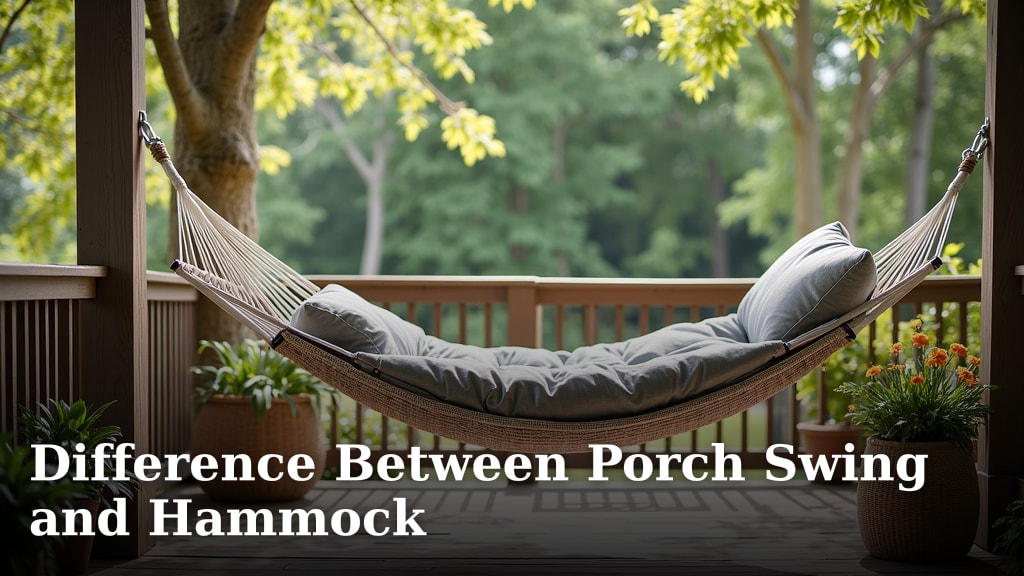
Difference Between Porch Swing and Hammock
When choosing between a porch swing and a hammock, the key difference lies in their support structure and overall seating experience. A porch swing typically hangs from a sturdy frame or ceiling, offering a more stable, chair-like seating. A hammock, on the other hand, suspends between two anchor points, providing a cradling, reclined feel.
Both are fantastic for outdoor relaxation, but they serve slightly different purposes. A porch swing is great for chatting with a friend or enjoying a cup of coffee. A hammock is often best for napping or simply unwinding. We found that understanding these distinctions helps in making the right choice for your backyard oasis. Each offers a unique way to enjoy your outdoor space.
- Porch swings are stable and chair-like.
- Hammocks are cradling and reclined.
- Swings are good for socializing.
- Hammocks are ideal for napping.
Let’s dive into the specific differences to help you decide which is the perfect fit for your relaxation needs.
Understanding the Core Differences: Porch Swings vs. Hammocks
When you’re picturing relaxing outdoors, do you see yourself gently swaying in a chair or enveloped in a cozy fabric cocoon? That’s often the first clue to which outdoor relaxation piece is right for you. While both offer a delightful way to unwind, porch swings and hammocks cater to slightly different lounging preferences.
The main distinction boils down to how they are supported and the kind of experience they provide. A porch swing is usually attached to a sturdy structure, like a porch ceiling or a dedicated stand. This offers a predictable, chair-like motion. A hammock, conversely, hangs between two anchor points, creating a more enveloping and reclined feel.
We found that considering your primary use case is key. Are you looking for a spot to sip your morning coffee and chat with a neighbor? Or is your dream scenario a peaceful afternoon nap outdoors?
The Mechanics of Motion and Support
Let’s break down how these two relaxation stations work, so you can better visualize them in your space.
How Porch Swings Stay Put
Porch swings are designed for stability and a more upright or seated posture. They typically hang from chains or ropes attached to a strong overhead beam, like the eaves of your house or a custom-built frame. This secure suspension means the swing moves back and forth in a controlled arc. Porch swings are designed for stability and a more upright or seated posture; learn about a deep seat porch swing for enhanced lounging.
Think of it like sitting in a gentle rocking chair that’s suspended. The support is robust and grounded. Many porch swings are built to hold two or more people, making them great for sharing a quiet moment. We found that the feeling is steady and predictable, offering a comfortable place to sit and relax.
The Hammock’s Suspended State
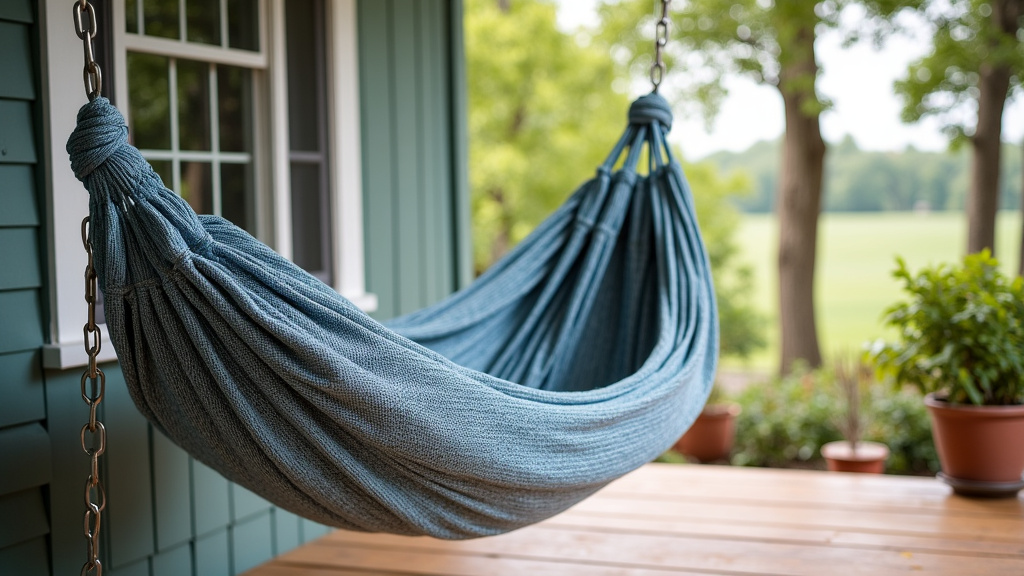
A hammock offers a completely different kind of suspension. It’s essentially a piece of fabric or netting that’s strung between two solid objects. These anchors could be trees, posts, or a specially designed hammock stand. The material then sags in the middle, creating a comfortable, body-conforming pocket.
When you settle into a hammock, you’re held by the fabric on all sides. This creates a unique, cradling sensation. Many users describe it as feeling like they’re floating. It’s a more reclined and horizontal position, perfect for sinking into and letting go of the day’s stresses.
Seating Experience and Comfort Levels
The way each piece makes you feel when you’re using it is where many of the differences truly shine.
Porch Swings: A Social and Relaxed Seat
Porch swings generally offer a more social and interactive experience. Because they tend to keep you more upright, they’re ideal for conversation. You can easily turn to face someone else on the swing or chat with people walking by.
The seating is comfortable, often with cushions, similar to a bench or sofa. You can read a book, enjoy a drink, or simply watch the world go by. Many research findings highlight the benefits of outdoor seating for mental well-being, and a porch swing provides a stable, comforting perch for this purpose.
Hammocks: The Ultimate Napping Nook
Hammocks excel when your goal is deep relaxation and perhaps even a good nap. The suspended nature cradles your body, often aligning your spine in a way that many find incredibly comfortable. It’s a feeling of being gently held.
The reclined position encourages you to lie back and truly unwind. It’s less about active conversation and more about personal escape. Many people find that the gentle sway is incredibly soothing, almost like being rocked. This can be particularly beneficial for stress reduction, according to several health studies.
Space Requirements and Installation
Where you plan to place your relaxation station is a big factor. Both need space, but in different ways.
Porch Swings: Attached or Freestanding
A traditional porch swing needs a sturdy overhead support, usually on a covered porch or patio. This means you need a structure that can bear the weight and the momentum of the swing. If you don’t have a suitable porch, you can opt for a freestanding porch swing. These come with their own A-frame or arched stand, giving you flexibility in placement.
However, they do take up a decent footprint. You’ll need enough clear space for the swing itself, plus a bit extra so you don’t bump into anything when it’s in motion. We found that measuring your intended area carefully is essential before purchasing.
Hammocks: Anchors Away!
Hammocks require two stable anchor points at the correct distance apart. This can be trees in your yard, sturdy posts you install, or a dedicated hammock stand. The distance and height of these anchors are crucial for proper setup and comfort.
A hammock itself is quite portable, especially fabric ones. They can be easily taken down and stored. The main consideration is the space between your anchor points. You also need to ensure there’s enough clearance around the hammock so you can get in and out safely without hitting anything.
Durability and Material Considerations
What are they made of, and how long will they last?
Porch Swing Materials
Porch swings are often made from durable materials like wood, metal, or sturdy composite plastics. Wood swings can be beautiful but may require more maintenance, such as sealing or painting, to protect them from the elements. Metal swings are robust but can be heavy and may rust if not properly treated. Composite materials offer a low-maintenance option.
The fabric components, like cushions, should be made from outdoor-rated materials that resist fading, mold, and mildew. We found that investing in higher-quality materials generally leads to a longer lifespan and less upkeep.
Hammock Materials
Hammocks come in a wide array of materials. Cotton is soft and comfortable but can be susceptible to rot and mildew if left outside in damp conditions. Polyester and nylon are more weather-resistant and dry faster, making them popular choices for outdoor use. Some hammocks also feature spreader bars, which help keep the fabric taut and open, preventing the “cocoon” effect that some find too enclosing.
The quality of the fabric and the stitching are important for safety and longevity. Research suggests that regular inspection of the suspension points and the fabric itself can help prevent accidents.
Choosing Your Perfect Outdoor Lounger: A Quick Checklist
Still pondering which one is the perfect fit for your backyard oasis? Let this quick checklist help guide your decision:
- Do you want a stable, chair-like seat? If yes, lean towards a porch swing.
- Is your primary goal napping or deep relaxation? A hammock might be your best bet.
- Do you plan to entertain guests on it frequently? A porch swing is often better for socializing.
- Do you have limited space or need portability? A hammock can be more flexible.
- What kind of support structure do you have available? Consider your porch, trees, or the need for a stand.
- How much maintenance are you willing to do? Some materials require more care than others.
We found that thinking about these points helps narrow down the options considerably. Both offer fantastic ways to enjoy the outdoors, but they cater to different moods and moments.
Conclusion
You’ve learned the core differences between porch swings and hammocks. A porch swing offers stable, chair-like seating, perfect for conversation and social moments. It’s a grounded way to enjoy your outdoor space. On the other hand, a hammock provides a deeply relaxing, cradling experience, ideal for napping and personal unwinding. We found that your intended use and available space are key factors in choosing. Now that you understand these distinctions, you’re ready to select the perfect addition to your backyard oasis.
Frequently Asked Questions
Can a hammock be used on a covered porch?
Yes, absolutely. You can hang a hammock from the ceiling of a covered porch if there are strong anchor points. Many people also use portable hammock stands on a porch. Just ensure the structure is secure enough to support the weight and movement.
Which is better for back pain, a porch swing or a hammock?
Many users find hammocks to be more comfortable for back pain due to their ability to conform to the body’s shape and promote spinal alignment. Porch swings offer a more upright position, which may be less ideal for some with back issues, though cushioned swings can provide good support.
Do I need a special stand for a porch swing?
Not always. If your porch has a strong, suitable overhead beam, you might be able to attach a swing directly. However, if you don’t have a porch or a strong beam, freestanding porch swings with their own A-frame or arched stands are a great alternative.
Are hammocks difficult to set up?
Setting up a hammock is generally straightforward, especially with a stand. If you’re using trees or posts, you’ll need to ensure they are strong, healthy, and the correct distance apart. Most hammocks come with instructions and hardware for relatively easy installation.
Which option is more portable, a porch swing or a hammock?
Hammocks are significantly more portable. Fabric hammocks, especially those without spreader bars, can be easily folded and stored or taken with you on trips. Porch swings, whether attached or freestanding, are generally intended to stay in one place.