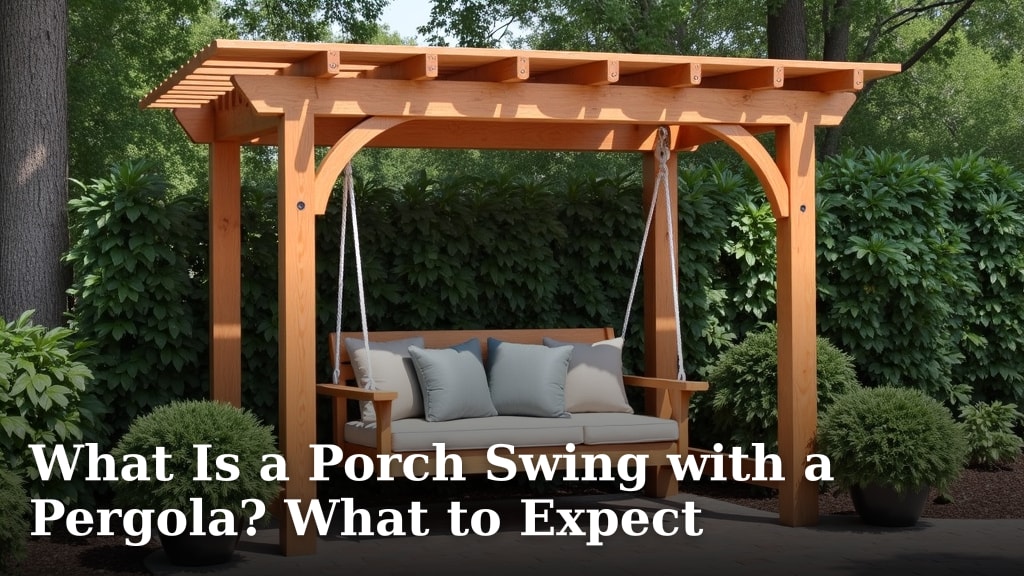
What Is a Porch Swing with a Pergola? What to Expect
A porch swing with a pergola is a combined outdoor furniture and structure setup. It’s a freestanding pergola that provides shade and style, with a porch swing suspended underneath it. This creates a dedicated, relaxing seating area in your yard.
Think of it as a complete outdoor room in one package. The pergola frame offers architectural interest and protection from the sun. The swing itself adds the gentle, swaying motion we all love. Together, they make a perfect spot for morning coffee or evening chats.
- It’s a pergola with a swing built right into the design.
- The pergola provides shade and defines your relaxation space.
- The swing adds comfortable, soothing seating.
- This combo creates a charming backyard destination.
- It can be built as a DIY project or bought as a kit.
Below, we break down what you can truly expect from this setup. We’ll cover the benefits, things to consider before buying, and how to make the most of your space. Let’s walk through exactly how this works step by step.
Benefits of a Porch Swing with a Pergola
A combination like this does more than just look nice. It creates a defined zone for rest in your yard. You get shade, comfort, and a sense of place all at once. This isn’t just furniture; it’s a small, dedicated retreat.
Creating a Dedicated Relaxation Zone
Your backyard can feel like a big, open space. A pergola with a swing gives it a focal point. It tells your eyes and your brain, “This is the spot for calming down.” It’s like placing an anchor of calm in your outdoor space.
We found that having a specific place for relaxation can help your mind switch gears (American Psychological Association). You’ll naturally associate the swing with unwinding. No more searching for a comfortable spot—this is it.
Providing Shade and Comfort
The pergola frame is the real workhorse here. It cuts down on direct sun, making the area usable even on brighter days. You can add a canopy or grow vines for even more shade. This lets you enjoy the outdoors without the full glare.
The swing adds gentle motion. Swinging is a simple, soothing activity. Many people find the rhythmic motion helps lower stress. It’s a comfortable seat that moves with you.
Adding Architectural Interest and Value
A plain swing hanging from a tree is nice. But a pergola structure adds a piece of architecture to your yard. It looks intentional and finished. This kind of permanent feature can boost your home’s curb appeal.
Think of it as a small-scale outdoor room. It gives your property character. Potential buyers often see a well-built pergola as a desirable feature.
Key Features and What to Look For
Not all pergola swing combos are the same. You’ll see different materials, sizes, and designs. Knowing the main components helps you choose wisely for your yard and your style.
Pergola Materials and Construction
The frame is usually made of one of three materials. Each has its pros and cons regarding cost, upkeep, and look.
- Wood: Classic, natural look. Needs staining or painting every few years. Think cedar or pressure-treated pine.
- Vinyl: Low maintenance. Just soap and water to clean. Can look very sleek and modern.
- Metal (Aluminum or Steel): Very durable. Often has a powder-coat finish. Good for contemporary styles.
Swing Styles and Integration
The swing itself can vary. Is it a traditional bench swing? Maybe a pair of hanging chairs? The key is how it’s attached.
Built-In vs. Separate Purchase
Some pergolas come with the swing hardware built right in. Everything is perfectly aligned. Others are sold as a pergola kit, and you buy the swing separately. Make sure you know what’s included before you buy.
Size and Footprint Considerations
Measure your space first. A typical pergola with a swing might be 10 feet by 10 feet. You need room around it for walking and for the swing to move safely. Check the swing’s maximum depth—how far forward and back it goes.
A good rule is to leave 3 feet of clearance on all sides of the swing. This prevents you from hitting the posts or furniture.
Planning Your Space and Installation
Proper planning prevents headaches later. Where you put it and how it’s built matters. A little forethought ensures it’s a joy, not a problem.
Choosing the Perfect Location
Look at your yard’s sun and shade patterns throughout the day. Do you want morning sun or afternoon shade? Consider the view from your house. You might want to see the swing from your kitchen window.
Also, think about wind. A very windy corner might be uncomfortable. A more sheltered spot near the house often works best.
Foundation and Footing Requirements
This is not like putting a lightweight chair on a patio. A pergola with a swing is a permanent structure. It needs a solid foundation. The posts must be anchored to the ground to prevent tipping.
Many experts say posts should be set in concrete footings below the frost line (This Old House). This prevents heaving in winter. For a kit, always follow the manufacturer’s foundation instructions exactly.
DIY vs. Professional Installation
Are you handy with tools and a level? Some kits are designed for confident DIYers. They come with all parts and step-by-step guides.
However, getting the structure perfectly square, plumb, and secure is critical. If you have any doubts, hiring a carpenter or contractor is a smart investment. Your safety depends on a solid build.
What to Expect: Cost and Maintenance
Let’s talk budget and upkeep. Being realistic helps you plan. This is a feature you’ll have for years, so think long-term.
Typical Price Ranges
Costs can vary widely. It depends on size, material, and whether it’s a kit or custom-built.
| Component | Approximate Cost Range (USD) |
|---|---|
| Freestanding Pergola Kit (Vinyl/Composite) | $800 – $2,500 |
| Freestanding Pergola Kit (Wood) | $1,000 – $3,000 |
| Porch Swing Bench | $200 – $800 |
| Professional Installation | $500 – $1,500+ (varies by region) |
A complete, mid-range setup might land between $1,500 and $4,000. High-end custom builds will be more.
Long-Term Upkeep and Care
Maintenance depends on the material. Wood needs cleaning and resealing every 1-3 years. Vinyl and metal just need occasional washing. Check the swing hardware and bolts annually. Tighten anything that’s loose.
The swing cushions, if you have them, should be stored indoors or in a deck box when not in use. This protects them from weather and extends their life.
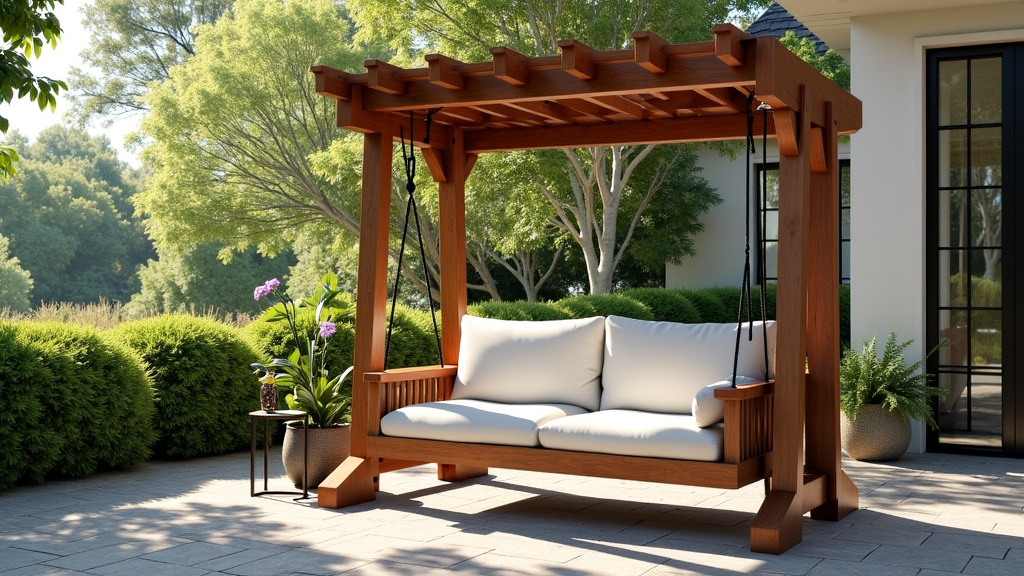
Making the Most of Your Swing and Pergola
Once it’s built, it’s time to make it your own. A few simple touches can transform the space. It’s about creating a vibe that invites you to sit down.
Accessorizing for Comfort and Style
Add outdoor pillows in weather-resistant fabric. A small side table for your drink is essential. Consider an outdoor rug to define the floor space. String lights along the pergola beams add a magical glow in the evening.
Placing potted plants around the posts can soften the look. Choose plants that match your sun conditions.
Ideas for Using Your New Retreat
The uses are simple but powerful. It’s your spot for morning coffee before the day starts. It’s a quiet place to read a book. It’s perfect for evening conversations with a partner or friend.
You might find you use it more than you think. It becomes the natural meeting spot in your home.
Quick Checklist Before You Buy
Before you click “buy” or start building, run through this quick list. It helps ensure you’ve covered your bases.
- I have measured my space and checked local setback rules.
- I know the material and style I prefer (Wood, Vinyl, Metal).
- I have checked that the swing’s weight and movement will be safe.
- I understand the foundation requirements for my soil.
- I have a realistic budget for the structure, swing, and installation.
- I have a plan for basic annual maintenance.
Conclusion
A porch swing with a pergola is a fantastic way to create a dedicated, relaxing zone in your yard. You get the perfect mix of shade, comfort, and architectural charm in one package. The key is to plan carefully, considering your space, materials, and budget. We’ve covered the real benefits, what to look for in a kit, and the importance of a solid foundation. Remember, proper installation is crucial for safety and long-term enjoyment. Your next step is to measure your space and decide on a style that fits your home.
Frequently Asked Questions
Do I need a building permit for a porch swing with a pergola?
In many areas, a freestanding pergola is considered a permanent structure and may require a permit. You should check with your local building department or city hall. Rules vary by location, and ignoring them could lead to fines or forced removal.
Can I install this setup on a raised deck or concrete patio?
Yes, but it requires specific planning. The structure needs to be securely anchored to the deck joists or patio with special hardware. A professional installer can ensure it is safely attached and won’t damage your existing surface.
What if my yard has uneven ground or slopes?
An uneven yard can be challenging but not impossible. You can level the ground or use adjustable post bases. For significant slopes, consulting a professional is the safest option to ensure the pergola remains stable and level.
How much weight can a pergola-mounted swing hold?
This depends on the pergola’s construction and the hardware used. Most residential pergola kits are designed to support a standard porch swing. Always check the manufacturer’s specifications for weight limits, and don’t exceed them.
What’s the easiest way to maintain the swing’s appearance?
For wood, annual cleaning and resealing are key. For vinyl or metal, a simple wash with soapy water twice a year is enough. Always wipe down the swing after heavy rain and store cushions indoors to prevent mildew.