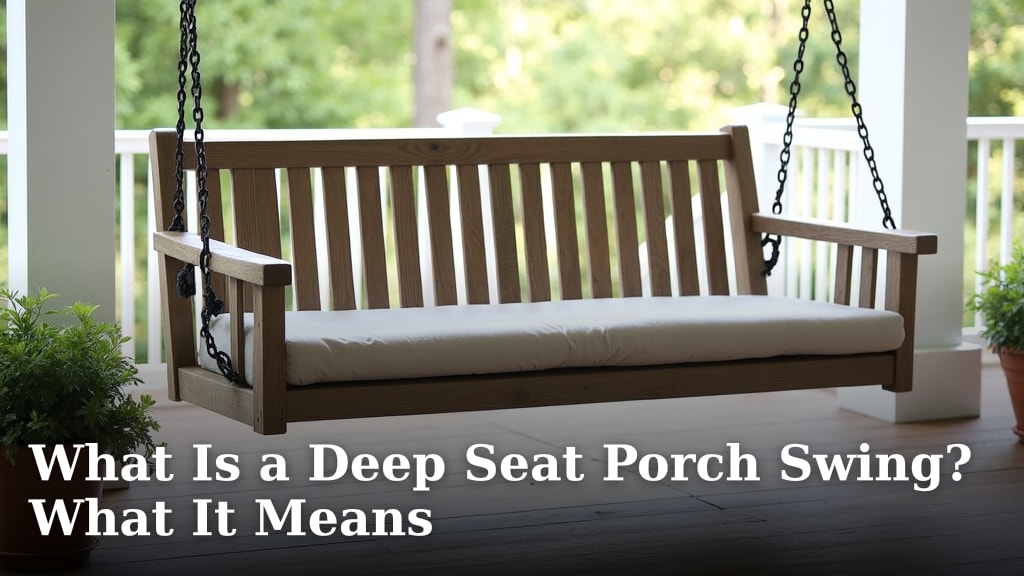
What Is a Deep Seat Porch Swing? What It Means
Defining the Deep Seat Porch Swing
A deep seat porch swing is a **specialized type of outdoor seating** where the seat pan—the part you actually sit on—is significantly deeper than on a standard swing. Think of it like the difference between a upright dining chair and a plush recliner. The extra depth, typically **18 inches or more**, allows you to sit back comfortably and fully support your legs, encouraging a true lounging posture rather than an upright, alert one. It’s designed for relaxation, not just brief sitting.
What “Deep Seat” Actually Measures
When you shop for a swing, you’ll see dimensions listed. The key number for a deep seat model is the seat depth. This is measured from the front edge of the seat to the point where the seat meets the backrest. On a traditional swing, this might be 14-16 inches. On a deep seat swing, you’re looking at **18 to 22 inches or even more**. This measurement is critical because it determines how much room you have to stretch out.
The Ergonomics Behind the Design
This isn’t just a random design choice. The deep seat concept is rooted in **basic ergonomic principles**. A deeper seat allows your thighs to be fully supported, which can reduce pressure points on your buttocks and lower back. According to a study on seating comfort published in the Journal of Ergonomics, seat depth is a major factor in user satisfaction for long-term sitting. The goal is to let your body relax into the swing without feeling like you might slide off the edge.
Posture and Relaxation
On a standard swing, you often end up perched on the edge or sitting bolt upright to keep your balance. A deep seat swing changes that dynamic. It lets you settle into a **more natural, reclined position**. Your hips can rotate back slightly, taking strain off your lower back muscles. Many of us store a lot of tension in our hips and lower back from sitting in cars and at desks. A swing with a proper deep seat can feel like a release for those tight areas.
Deep Seat Swing vs. Standard Porch Swing
To see the difference clearly, it helps to compare them side-by-side. The core distinction is the intended use and comfort level.
| Feature | Standard Porch Swing | Deep Seat Porch Swing |
|---|---|---|
| Primary Purpose | Seating for conversation, brief rest | Extended lounging, napping, reading |
| Seat Depth | Typically 14-16 inches | Typically 18-22+ inches |
| Seating Posture | More upright, active sitting | Reclined, relaxed lounging |
| Best For | Smaller porches, multiple guests | |
| Cushion Style | Often thinner seat cushions | Requires thick, supportive cushions |
Why Choose a Deep Seat Swing? The Comfort Factor
The main reason people seek out a deep seat porch swing is for **superior comfort during long sessions**. It transforms your porch from a place to sit for a minute into a destination for an afternoon. You can curl up with a book, sip your morning coffee slowly, or even catch a safe nap outdoors. The design essentially brings indoor living room comfort outside.
Ideal Uses and Users
Not everyone needs or wants a deep seat swing, and that’s okay. It’s perfect for certain situations and people. We found that households often love them for:
- The dedicated relaxer: Someone who views their porch as a primary relaxation zone.
- People with back or joint discomfort: The supportive, reclined position can be gentler on the body.
- Use with pillows and blankets: The deep space is made for getting cozy with accessories.
- Larger adults: The extra room and robust construction often found on these swings can be more accommodating.
Key Features to Look For
If you think a deep seat swing is right for you, don’t just grab the first one you see. Look for specific features that define quality and true deep-seat comfort.
The All-Important Frame
A deep seat means you’re likely adding more weight in cushions and people reclining fully. The frame needs to be **strong and sturdy**. Look for thick, solid wood or durable, rust-resistant metal like aluminum or powder-coated steel. The joinery—how the pieces connect—should be solid, often with bolts rather than just nails or staples. A swing rated for a higher weight capacity is often a good sign of a robust build.
Cushions and Fabric
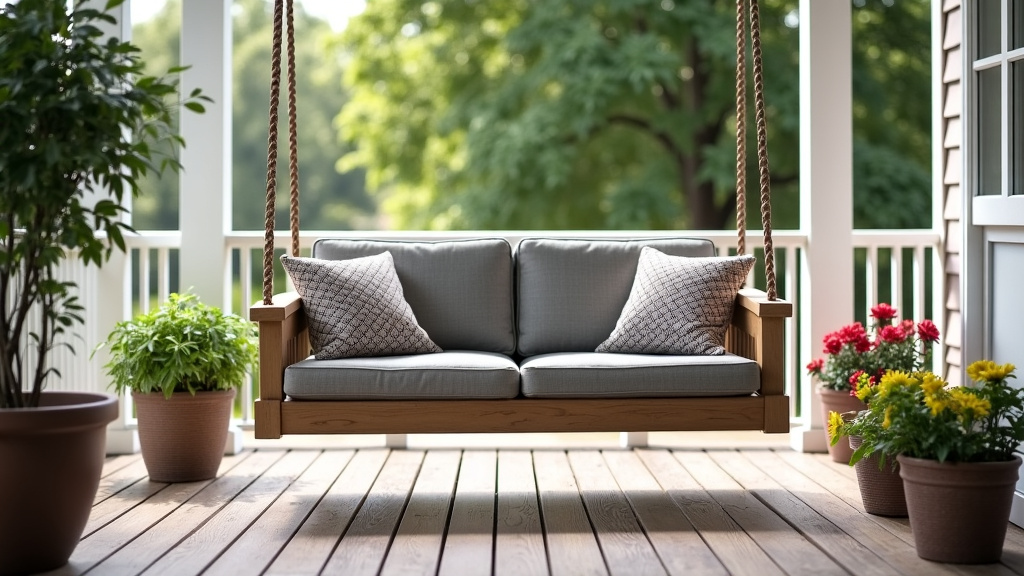
You cannot have a deep seat swing without excellent cushions. Thin cushions will bottom out and defeat the purpose. Look for cushions that are **at least 4-6 inches thick** with high-density foam cores. The fabric should be outdoor-rated, meaning it’s resistant to fading, moisture, and mildew. Brands like Sunbrella are a common benchmark for quality outdoor fabrics.
The Backrest Angle and Height
The backrest is just as important as the seat depth. It should have a slight recline—maybe 110 to 120 degrees—to support a relaxed posture. The back height should reach your shoulders or the base of your head when you’re sitting back. A low backrest can leave your upper back unsupported, causing strain over time.
Installation and Placement Considerations
Your beautiful deep seat swing needs a proper home. Because they are larger and heavier, especially when occupied, installation is a key safety step. The number one recommendation from all experts is to **mount it to a structural beam or header**, not just to siding or a thin porch ceiling. This often means attaching to the house’s framing or using a dedicated, sturdy post-and-beam structure built for a swing.
Space Requirements
Measure twice, buy once! You need more clearance for a deep seat swing. Remember that the swing will move. You should have at least **18-24 inches of clearance** from the back of the swing to the wall or railing behind it. You also need about 24 inches of space in front for safe entry and exit. Don’t forget to account for the space your feet will take up when you stretch out!
Maintenance for Longevity
Protecting your investment is smart. Deep seat swings, with their plush cushions, require a bit more care than a simple wooden bench. During the off-season or after rain, bring the cushions indoors or into a waterproof deck box. This **prevents mold and mildew growth**, which can be tough to remove and smells bad. The frame itself should be cleaned regularly with mild soap and water, and you may need to reapply sealant to wood frames every few years to protect against the elements.
Your Deep Seat Swing Shopping Checklist
Ready to shop? Use this simple checklist to make sure you’re getting a quality deep seat swing that will last.
- Measured Correctly: Verified the seat depth is 18 inches or more and checked porch clearance.
- Sturdy Frame: Inspected for solid wood or heavy-duty metal with secure joinery.
- Quality Cushions: Confirmed cushions are thick (4+ inches) with weather-resistant fabric.
- Proper Back Support: Ensured the backrest is tall and reclined for full relaxation.
- Weight Capacity: Checked the listed weight capacity to ensure it meets your needs.
- Installation Plan: Have a clear, safe plan to mount it to a structural part of your home.
Making Your Final Decision
Choosing between a standard swing and a deep seat model ultimately comes down to how you plan to use your outdoor space. If your porch is for quick chats and watching the kids play, a standard swing might be perfect. But if you dream of a personal retreat where you can truly unwind for hours, the investment in a deep seat porch swing is likely worth every penny. It’s less of a piece of furniture and more of a **commitment to your own comfort**.
Conclusion
A deep seat porch swing is fundamentally about prioritizing your relaxation. It’s designed for lounging, not just sitting, with a deeper seat pan and supportive cushions that encourage a reclined, comfortable posture. You’ve learned that the right model needs a sturdy frame, quality thick cushions, and careful installation to your home’s structure. The difference it makes is turning your porch into a true retreat for reading, napping, or unwinding for hours.
Before you buy, measure your porch space carefully and double-check that the seat depth meets the 18-inch minimum. Your next step is to grab your tape measure and evaluate your porch. Confirm you have enough clearance for both the swing’s movement and your stretched-out legs. This simple check ensures your investment brings the comfort you’re looking for.
Frequently Asked Questions
How much wider is a deep seat swing than a standard one?
Width isn’t the primary difference; seat depth is. A standard swing might be 4 to 5 feet wide, and a deep seat swing can come in similar widths. The key distinction is that the seating area is deeper, allowing you to stretch your legs, not necessarily that the overall swing is wider.
Do I need special cushions for a deep seat swing?
Yes, you do. Standard thin seat cushions won’t provide the support needed for the deeper seat. You should look for **cushions at least 4-6 inches thick** with high-density foam. They need to support your full thighs and prevent you from feeling the hard seat frame beneath you.
Can a deep seat swing be used for sleeping?
Many people do nap on them, and the design is perfect for it. The deep seat and reclined backrest support a lying-down posture better than a standard swing. However, it’s not a bed. For safe, occasional napping, ensure your swing is securely mounted and the weather is mild.
Is a deep seat porch swing harder to install?
The installation process is similar, but the requirements are more critical. Because deep seat swings are often heavier and used for full lounging, **you must mount them to a structural beam or header**. You cannot rely on porch siding or thin ceiling panels, as this can be unsafe.
What’s the main drawback of a deep seat swing?
The primary considerations are space and storage. They require more clearance in front and behind for safe use. Their larger cushions also need protection from rain and must be stored or covered during bad weather to prevent mildew, which is an extra maintenance step compared to a simple bench.